
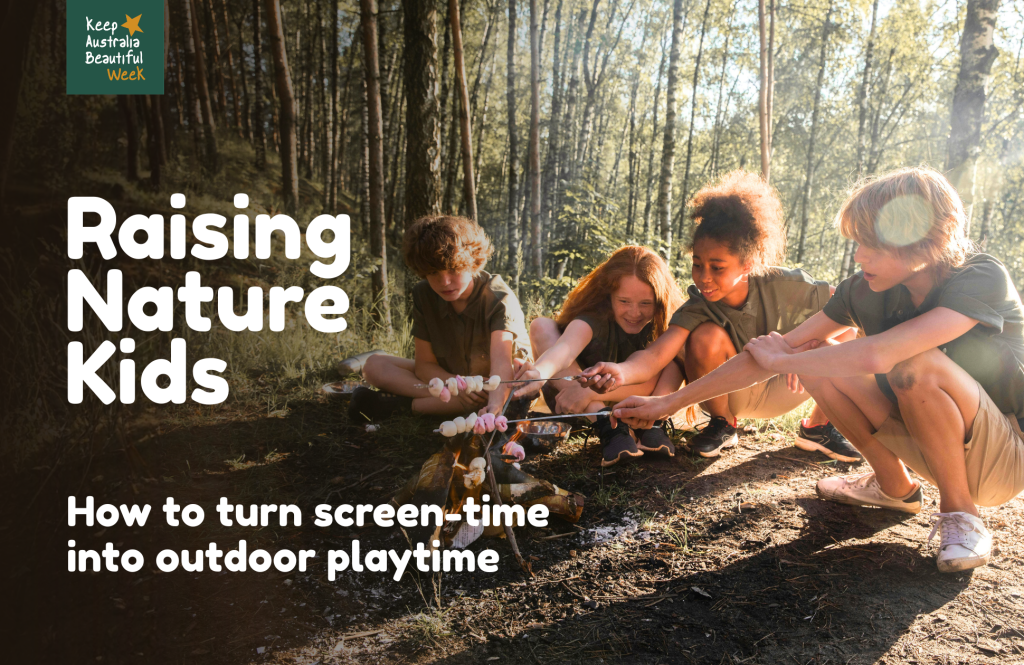
Raising Nature Kids
How to turn screen-time into outdoor playtime
Offering children plenty of opportunities to connect with nature is a wonderful way to boost their overall wellbeing. Connection with nature fosters happier, healthier, more resilient kids. Connection with nature has physical, emotional, social and cognitive benefits. On top of that, exposure to diverse natural environments encourages empathy, observation and wonder—and isn’t that the stuff their childhoods ought to be made of!
Despite the well-researched benefits of outdoor play, kids are spending more time indoors compared to previous generations. Reasons for this reduced outdoor exposure include increased use of digital technologies, outdoor safety concerns, and reduced access to natural spaces due to urbanisation. At the same time, children are also experiencing increasing rates of social anxiety, social disconnection and disengagement (Alla & Truong, 2024; Harper et al., 2026).
This KAB Week’s theme is ‘Beautiful Spaces – Happy Places’, and we hope to inspire adults and children alike to embrace the greatest playground of all: the big, beautiful Outdoors!
“We must teach our children to smell the earth, to taste the rain, to touch the wind, to see things grow, to hear the sun rise and night fall – to care”
John Cleal
The Developmental Benefits of Outdoor Play
Getting kids (of all ages!) out into the Great Outdoors, promotes physical wellbeing, supports metal and emotional health, and has terrific social benefits! There is research to suggest that outdoor play is often more complex and creative than indoor play, as it offers a rich tapestry of physical, imaginative, collaborative play, all in a sensory-rich environment (Alla & Truong, 2024).
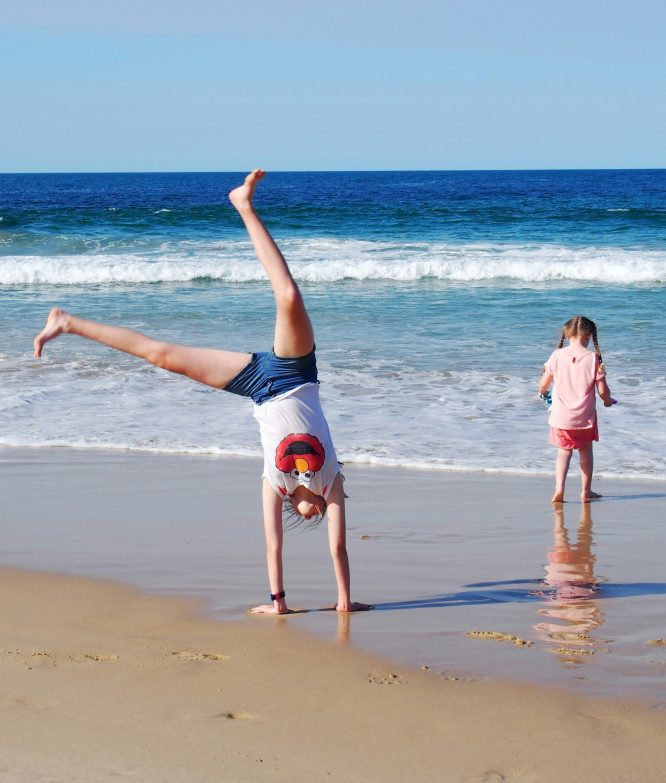
Running, jumping, climbing, scaling, falling, leaping, bouncing, rolling, commando crawling… outdoor play offers many opportunities for kids to develop their physical skills. Unlike indoor spaces, natural settings offer diverse terrains that challenge children to adapt and develop agility, balance and coordination (Dowdell et al., 2011). Outdoor play also supports sensory development, as children engage with different textures, smells, and sounds in their surroundings.
Spending time outdoors can reduce stress, anxiety and emotional distress in children. Outdoor play offers a less restrictive space for kids to express themselves.
Outdoor play also offers opportunity for kids to play collaboratively, fostering their social skills. This may look like kids building a fort together or creating a fairy garden, or perhaps it may take shape through an imaginative role-play scenario.
Cognitive benefits include improvement in awareness, reasoning and observation skills, creativity, concentration and imagination (Dowdell et al., 2011).

Risky Kids
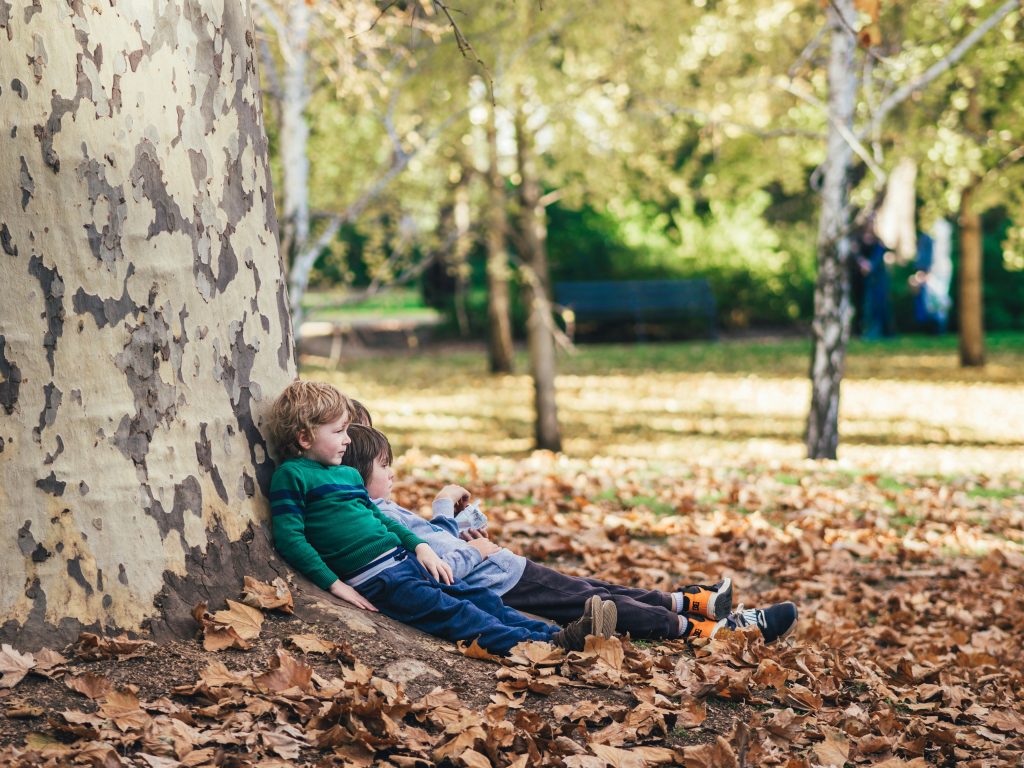
The outdoors provides children with open-ended opportunities for play in situations that are often unpredictable and risky. While that may make us nervous, moderate risk-taking helps children develop creative, problem-solving skills. Eliminating risk from play can lead to inappropriate risk-taking in a fearless or destructive manner (Dowdell et al., 2011). Risk-taking is a part of childhood, one which can teach children how to cope with and their overcome fears. This can increase their self-confidence and self-esteem. It empowers kids to gain an understanding of what their amazing bodies are capable of.
Some good news! Recently, outdoor play spaces have been transforming… We are seeing less traditional manufactured playgrounds and more nature-based play spaces. More early-learning facilities and parents are supporting this shift too (Dankiw et al., 2024).
Biodiversity Builds Empathy and Curiosity
Have you ever noticed how naturally kids connect with animals, insects and plants? They seem to have this innate sense of wonderment in the world around them. So, really, we may find that they lead the way outdoors more than we do!
Research suggests regular contact with nature can foster empathy, care and pro-environmental behaviours. The bottom line? Kids protect what they learn to love.
And it’s never too late! Even children who have had little exposure to outdoor play, can become quickly enamoured with nature once given their opportunity.

Simple Ways to Raise Nature Kids
In an increasingly busy, complicated world, here are some simple ways to raise nature kids:

For Families
- Regular bushwalks or park visits. Search your local area on Google Maps for unexplored areas of green and unvisited playgrounds.
- Gardening together. Whether you are tending to an acreage or a small balcony of potted plants, take joy in tending to your garden together.
- Nature scavenger hunts.
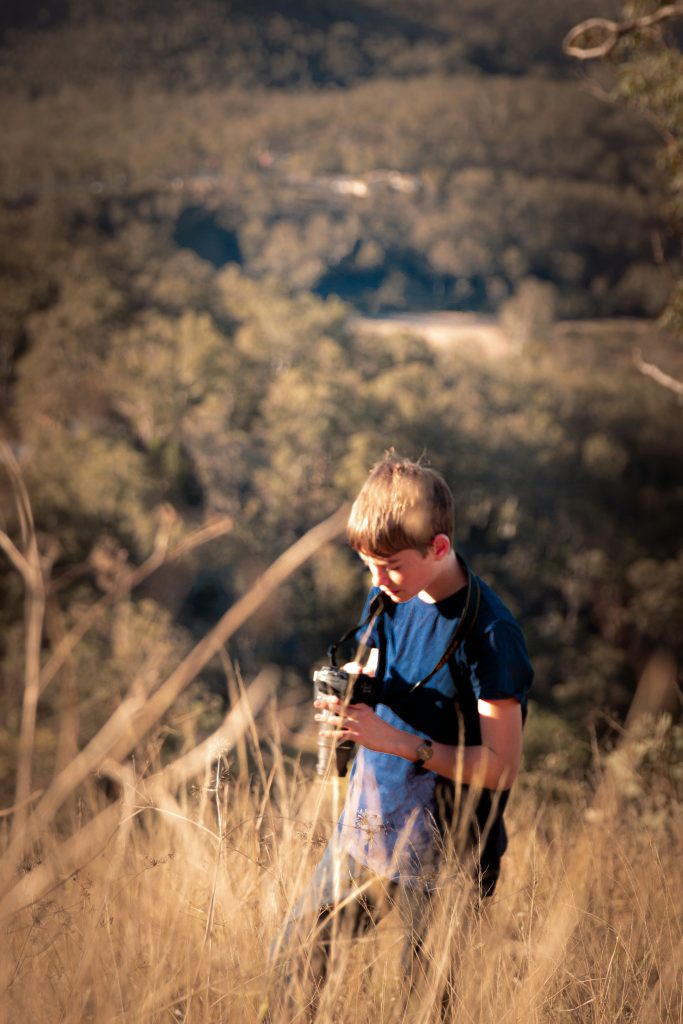
- Birdwatching or bug-spotting adventures. Bring a little tech into the outdoors, by logging your finds together on iNaturalist. Identified birds with a child on Merlin.
For Educators
- Outdoor learning sessions
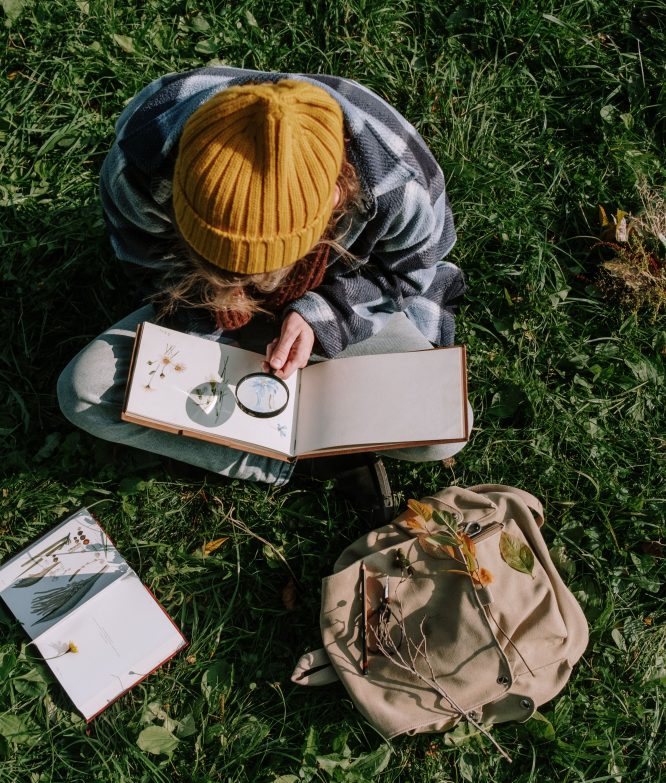
- Nature journals and sketchbooks
- School garden projects
- Citizen science activities
- Paint Australia Beautiful Mural Competition
- Contain Your Waste Challenge
- KAB Kidz (was Eco Schools)
- Green and Clean Toolkit
Teaching Care for Beautiful Spaces
Kids who are actively engaged in nature become more aware of the world around them. They grow to experience their environment in all its beauty, with its strengths and vulnerabilities, and the issues it faces. Outdoor play can encourage a sense responsibility in children to care for nature.
We can lead by example. Encourage children to ‘leave no trace’ when finishing play in an outdoor setting. We can involve kids in cleaning up our litter, or litter left by others. We can talk openly about where rubbish goes and its impacts on wildlife and waterways.
Small Moments, Lasting Impact

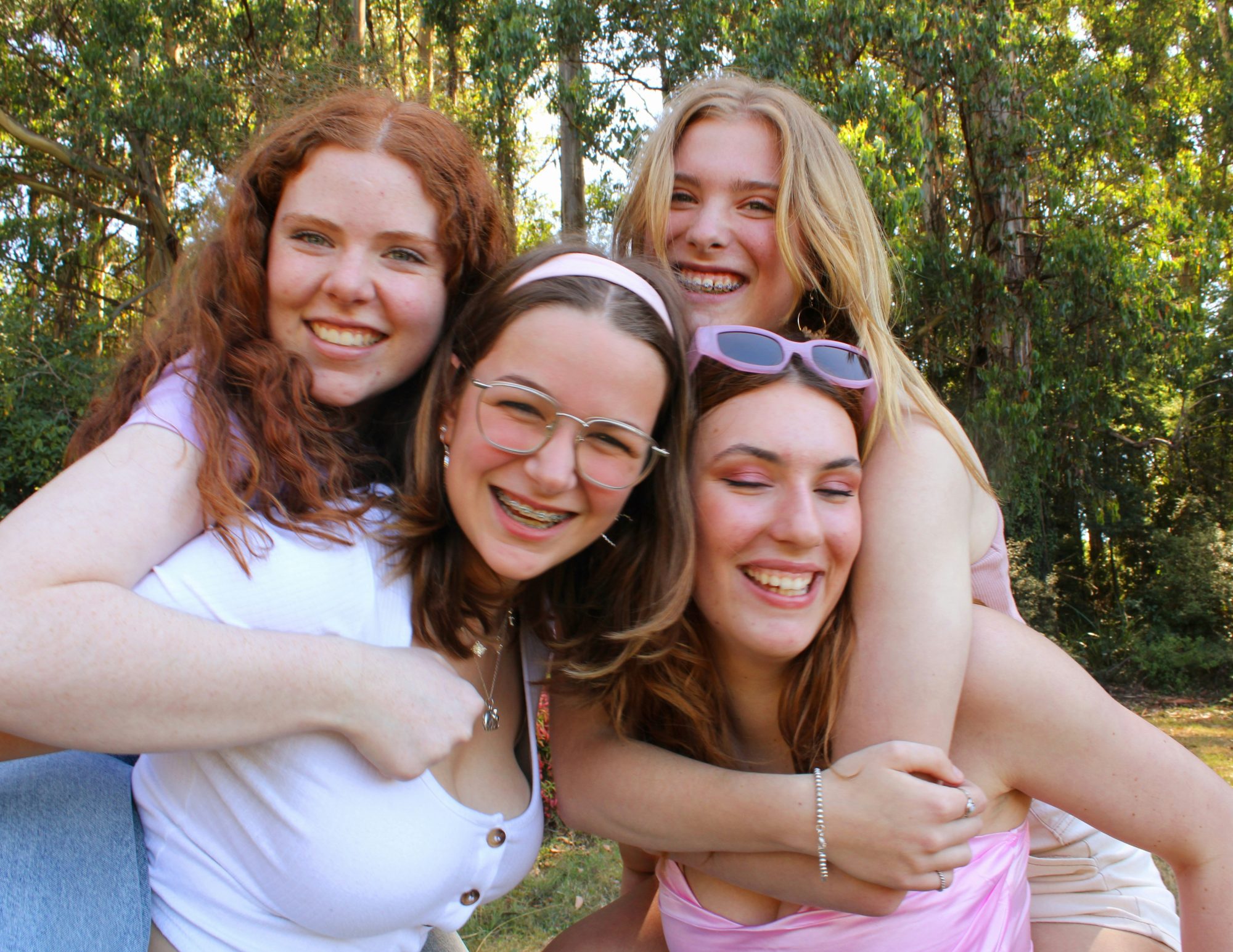
Nature connection doesn’t require grand adventures. In fact, while we love a grand adventure, it’s often the smaller moments that create a more lasting impact; the day-to-day moments of appreciation for our natural surrounds… Those moments help foster a life-long sense of responsibility and care for our beautiful places. Every positive outdoor experience helps build future custodians of our planet.
Beautiful spaces outdoors really help create happy, resilient, confident kids. By giving kids regular opportunities to explore, wonder and care for the natural world, we’re not only supporting their development, we’re helping ensure Australia’s beautiful places remain cherished for generations to come.
Your Call to Action
This Keep Australia Beautiful Week, choose one simple outdoor activity to do with a child and start building a lifelong connection with nature. You can start by clicking here to find 7 Outdoor Activities That Are Better in a Clean Environment.
WRITTEN BY: Madeleine Coyle (KAB Copywriter – Volunteer)
References
Alla, K. & Truong, M. (2024). Nature play and child wellbeing. Australian Institute of Family Studies, https://aifs.gov.au/resources/policy-and-practice-papers/nature-play-and-child-wellbeing
Dankiw, K. A., Kumar, S., Baldock, K. L., & Tsiros, M. D. (2024). Do Children Play Differently in Nature Play Compared to Manufactured Play Spaces? A Quantitative Descriptive Study. International Journal of Early Childhood, 56(3), 535–554. https://doi.org/10.1007/s13158-023-00384-9
Dowdell, K., Gray, T., & Malone, K. (2011). Nature and its Influence on Children’s Outdoor Play. Australian Journal of Outdoor Education. 15, 24-35.
Harper, A., Gray, T., & Hespos, S. (2026). Nature Play as a Catalyst for Outdoor Learning, Engagement and Wellbeing in Australian Primary Students. Education Sciences, 16(3), 492. https://doi.org/10.3390/educsci16030492