


Exeter Primary School, Tasmania (Grade 6)
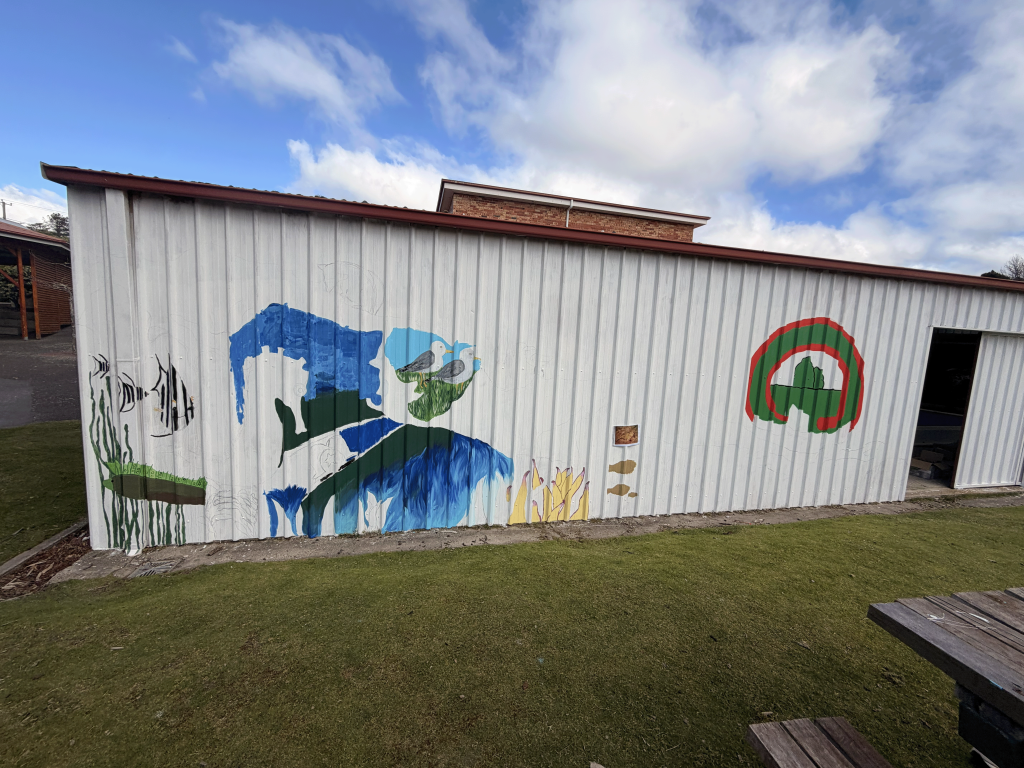
At Exeter Primary School in Tasmania’s Tamar Valley, the natural environment isn’t something students simply learn about – it is part of everyday school life. Wallabies and pademelons wander through the grounds, a resident possum regularly makes an appearance, Green Rosellas gather in the courtyard and plovers return to the school oval with their young. Beyond the school gates lies kanamaluka (The Tamar River), winding through a landscape of farms, natural vegetation and rural communities. It is this world – above the ground, along the river and beneath the water – that Exeter Primary School’s students are celebrating as Tasmania’s state winner in Keep Australia Beautiful’s Paint Australia Beautiful campaign. Their message is an invitation to look a little closer. Because the more you look, the more you see.
A legacy passed from one group of students to another
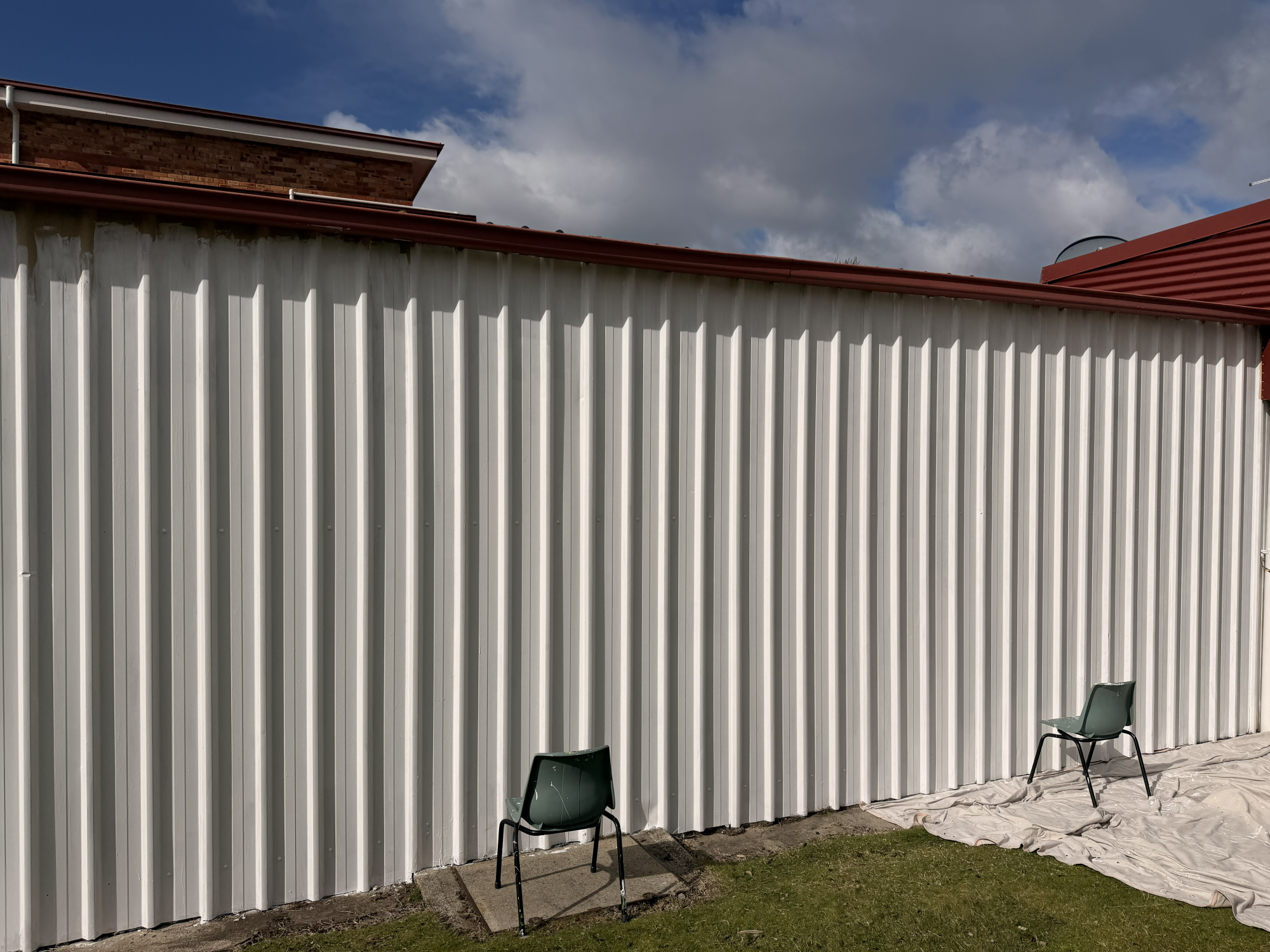
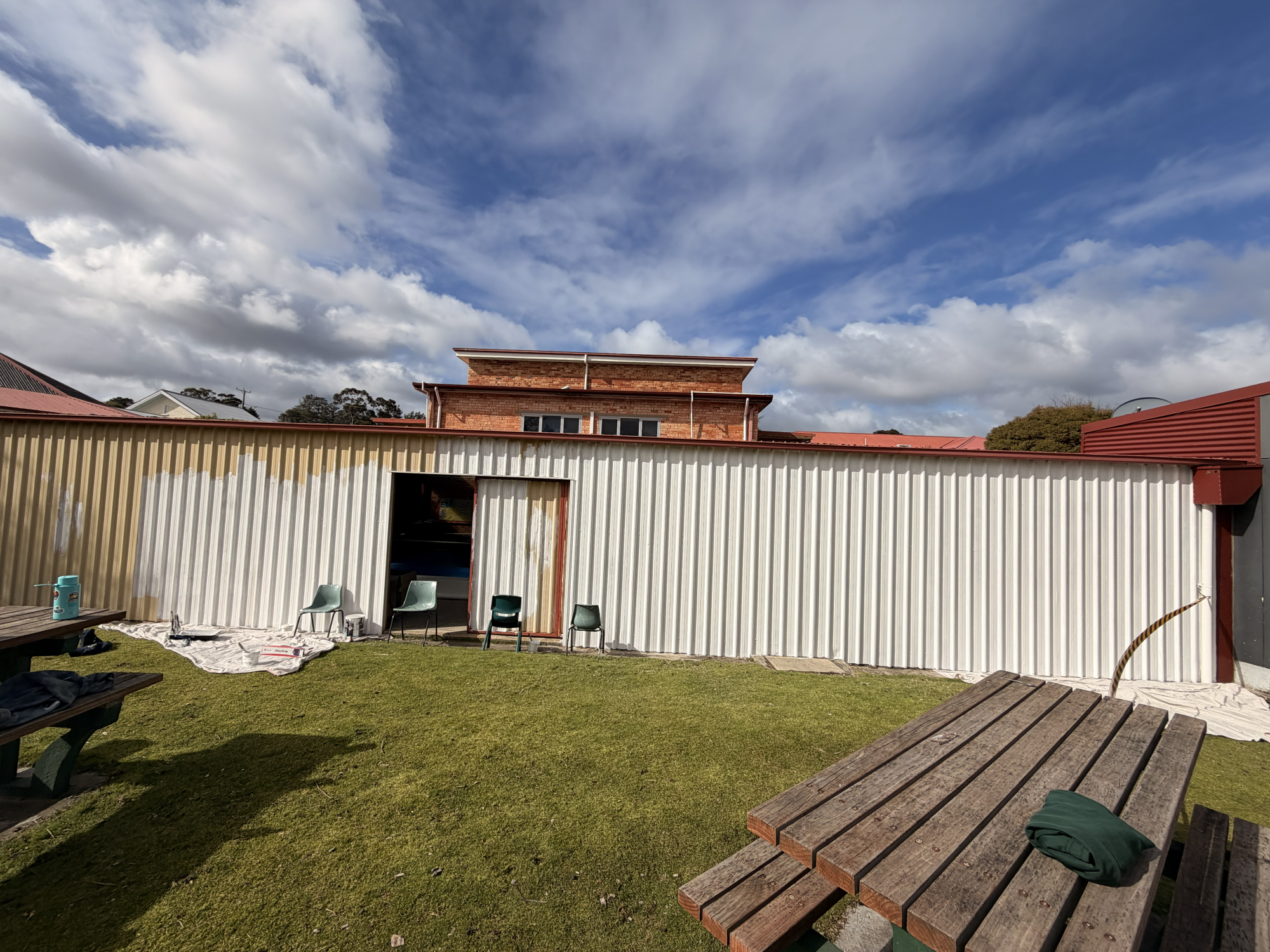
Exeter’s mural has been more than a year in the making. The original concept was developed by the school’s 2025 Grade 6 Peer Leaders, who wanted to leave behind a mural as their legacy to the school. When the school was unable to source the paint needed to complete it at the time, the idea didn’t disappear. Instead, leftover paint was put to use giving Moonalisa – the school’s cow sculpture – a new lease on life.
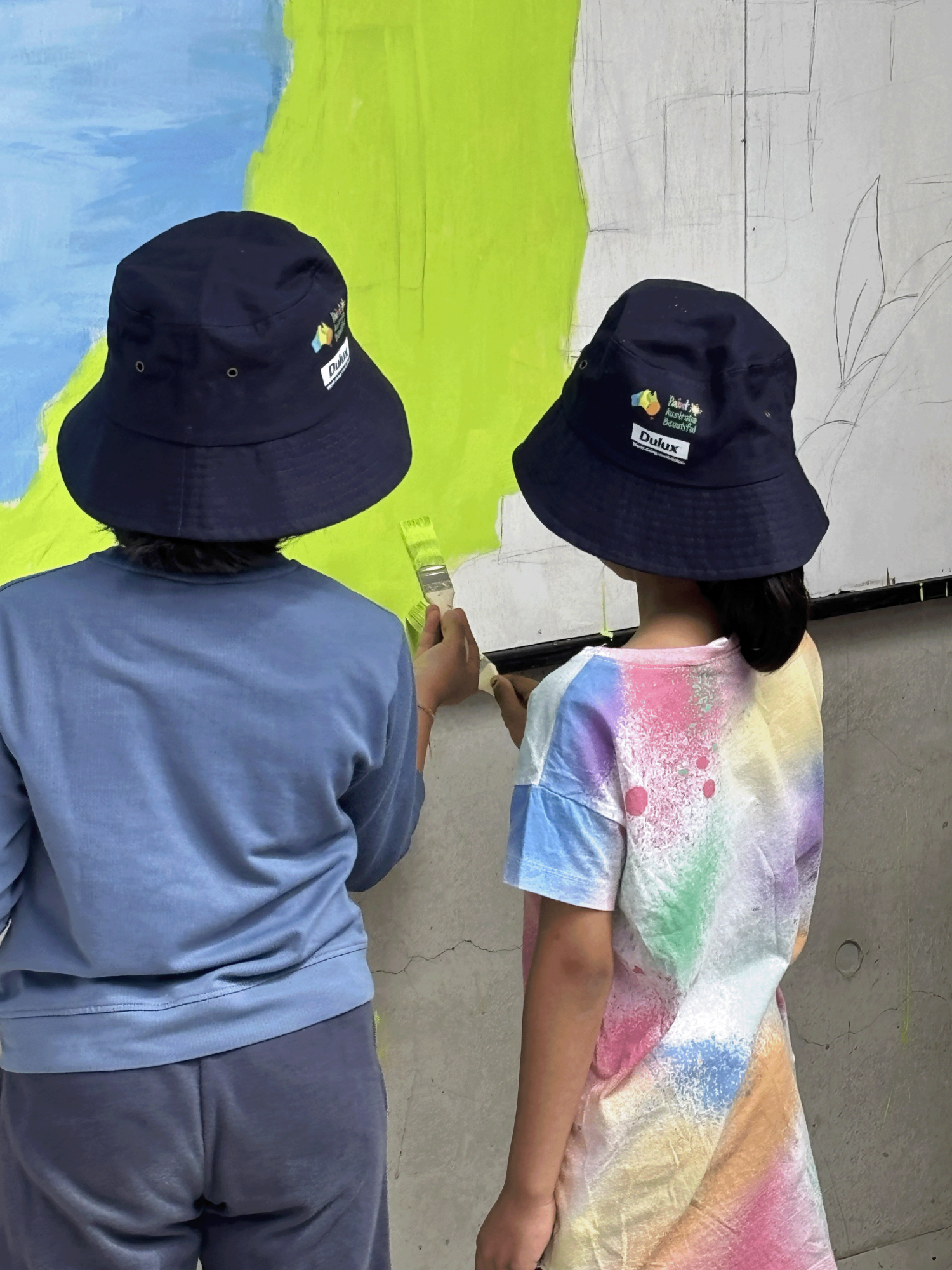
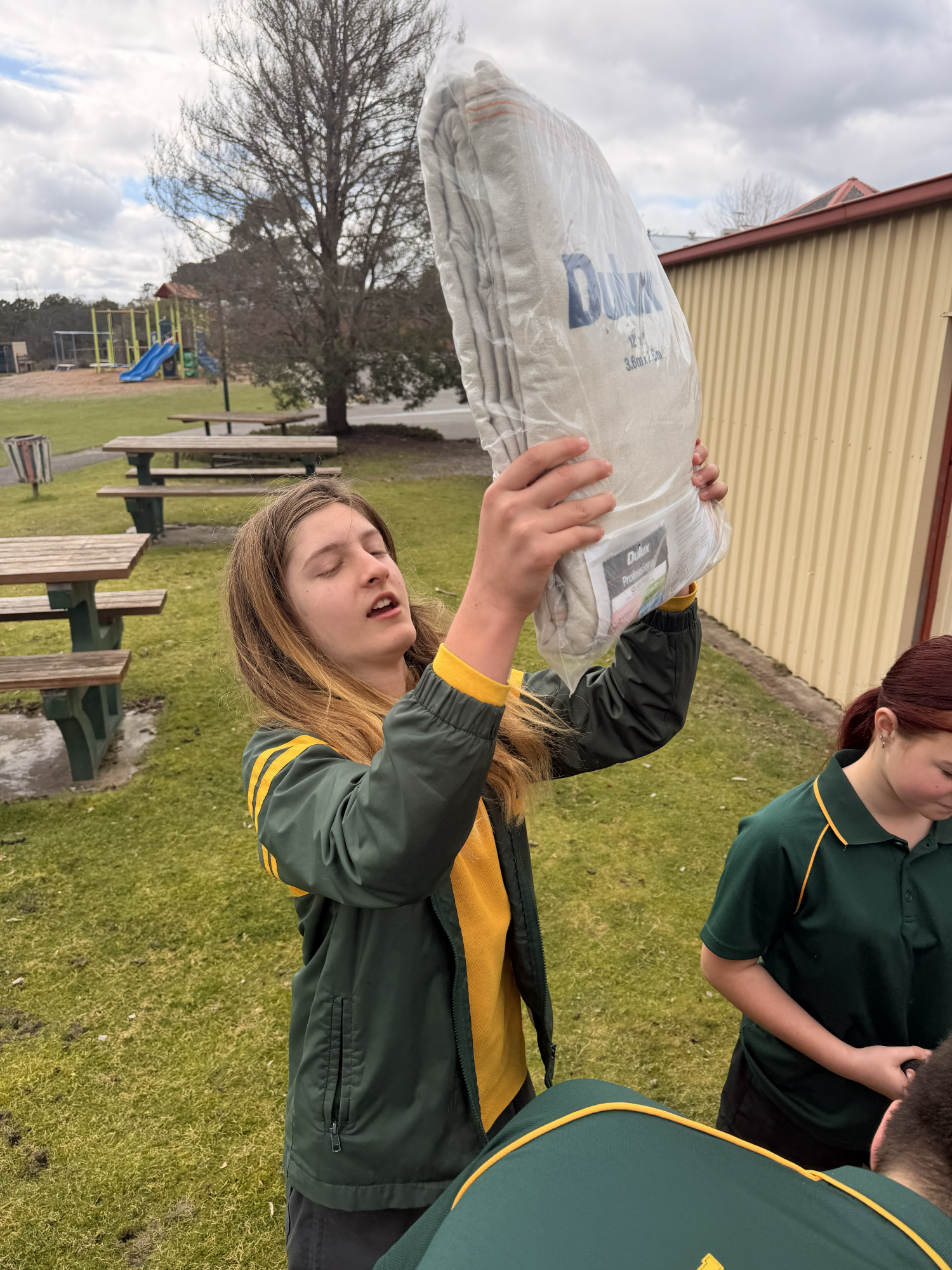
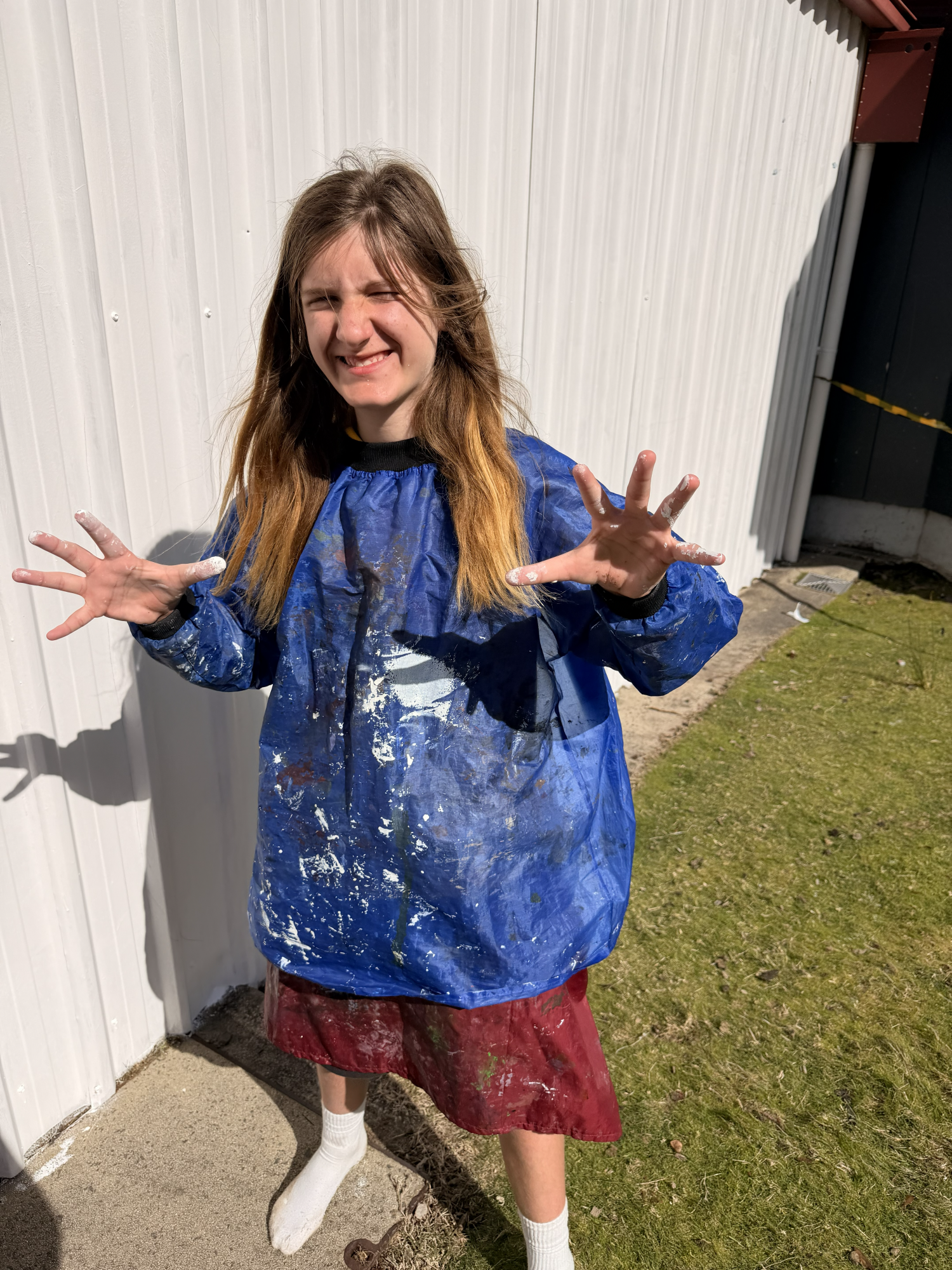
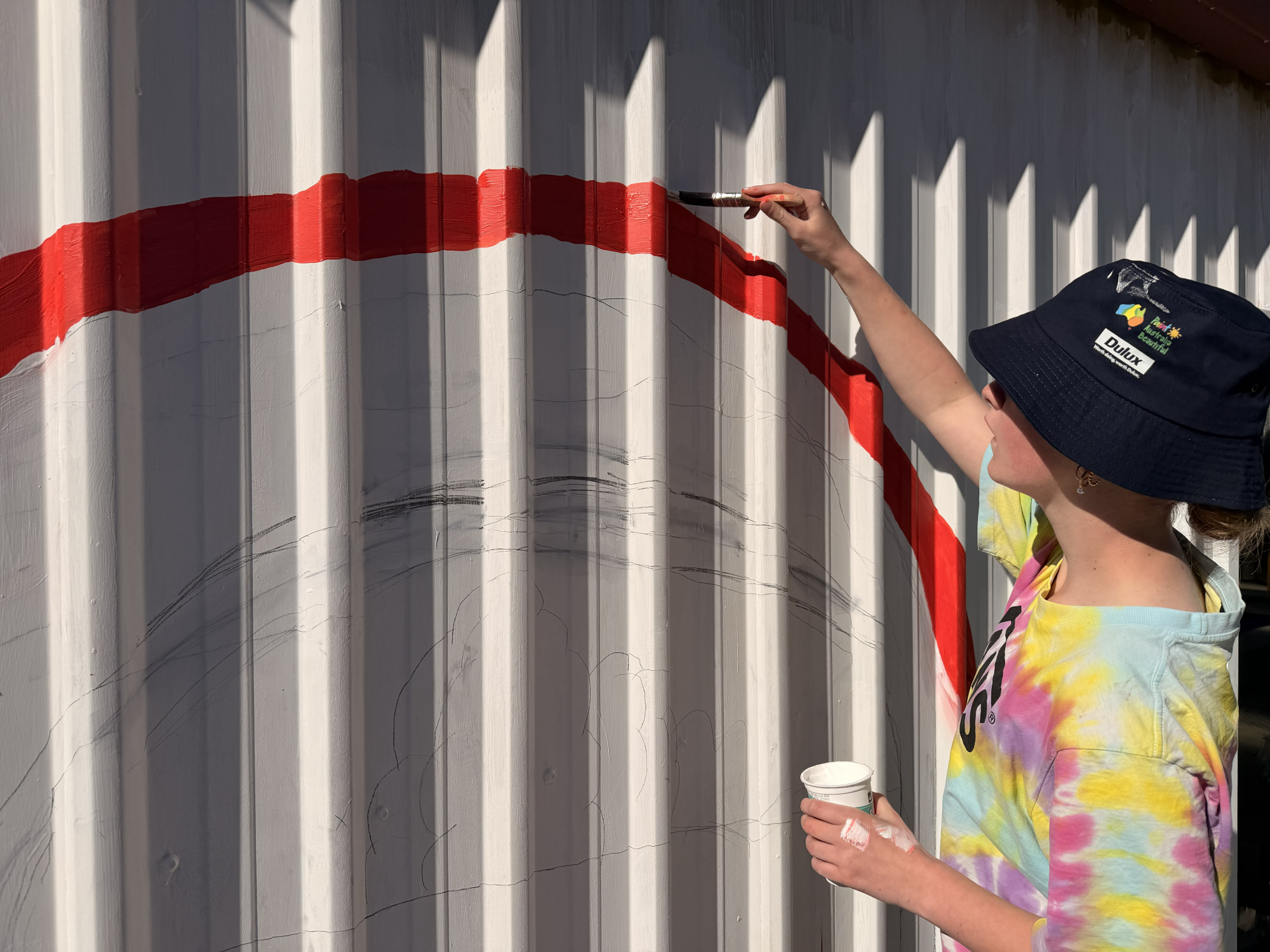
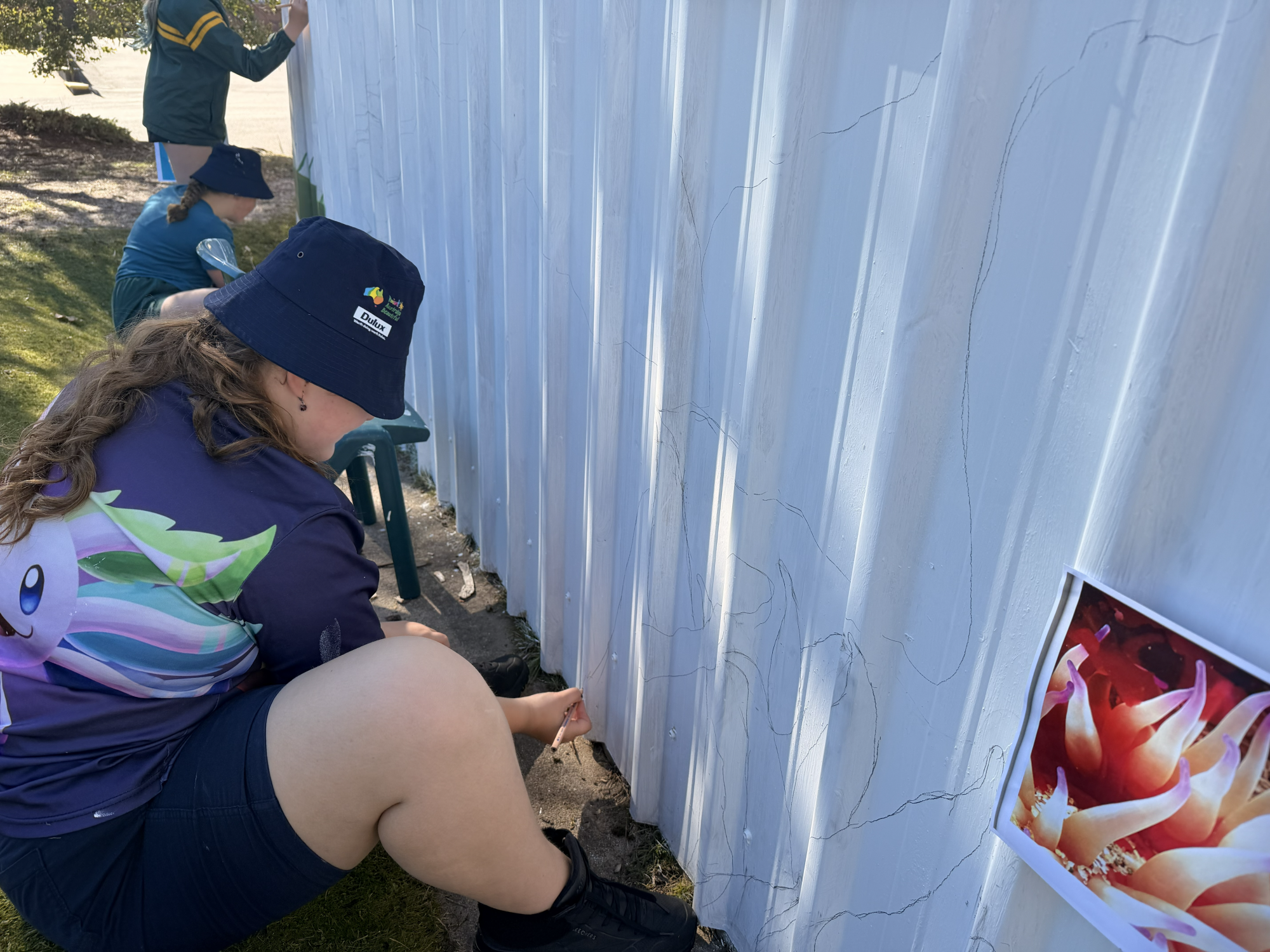
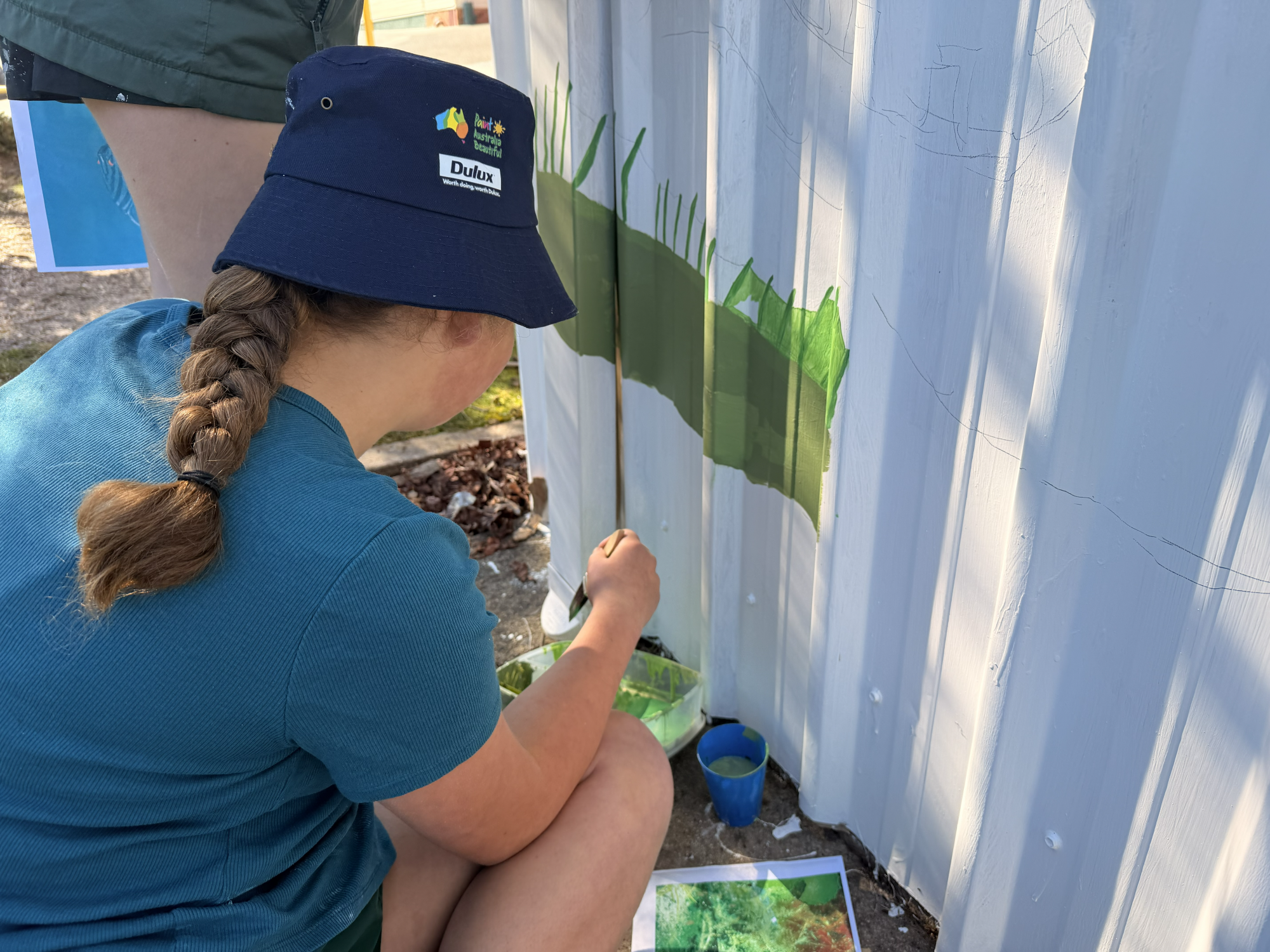
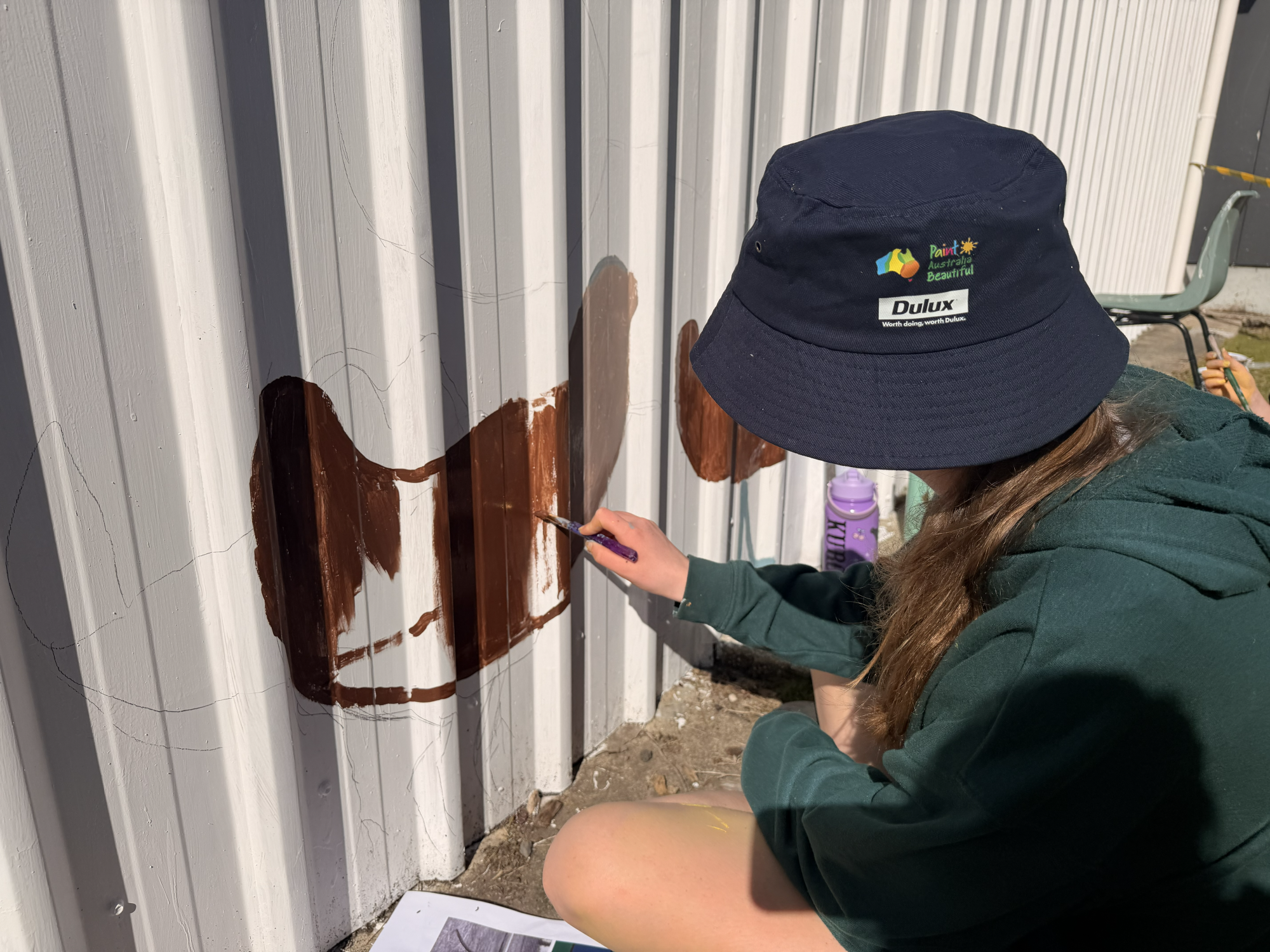
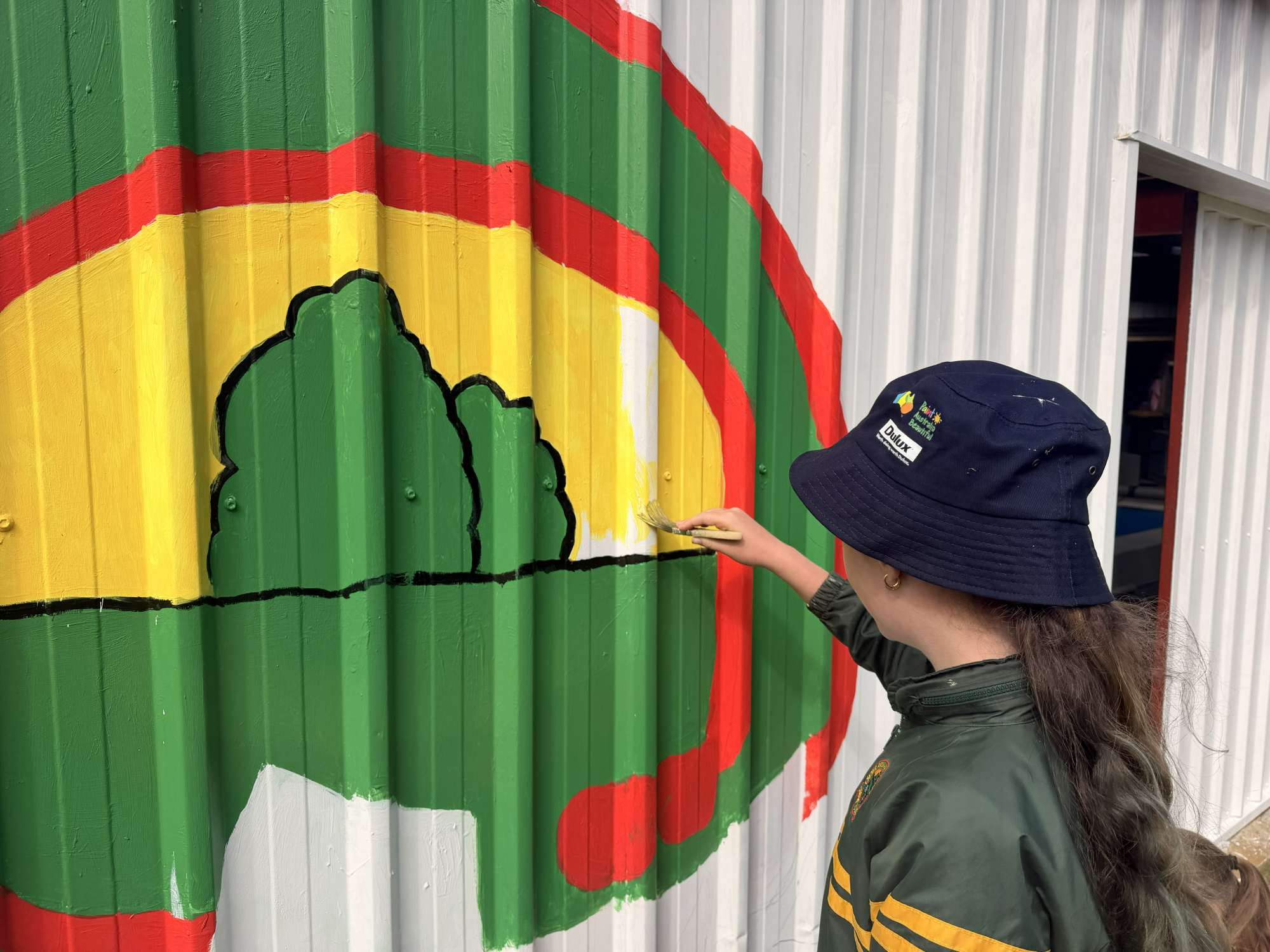
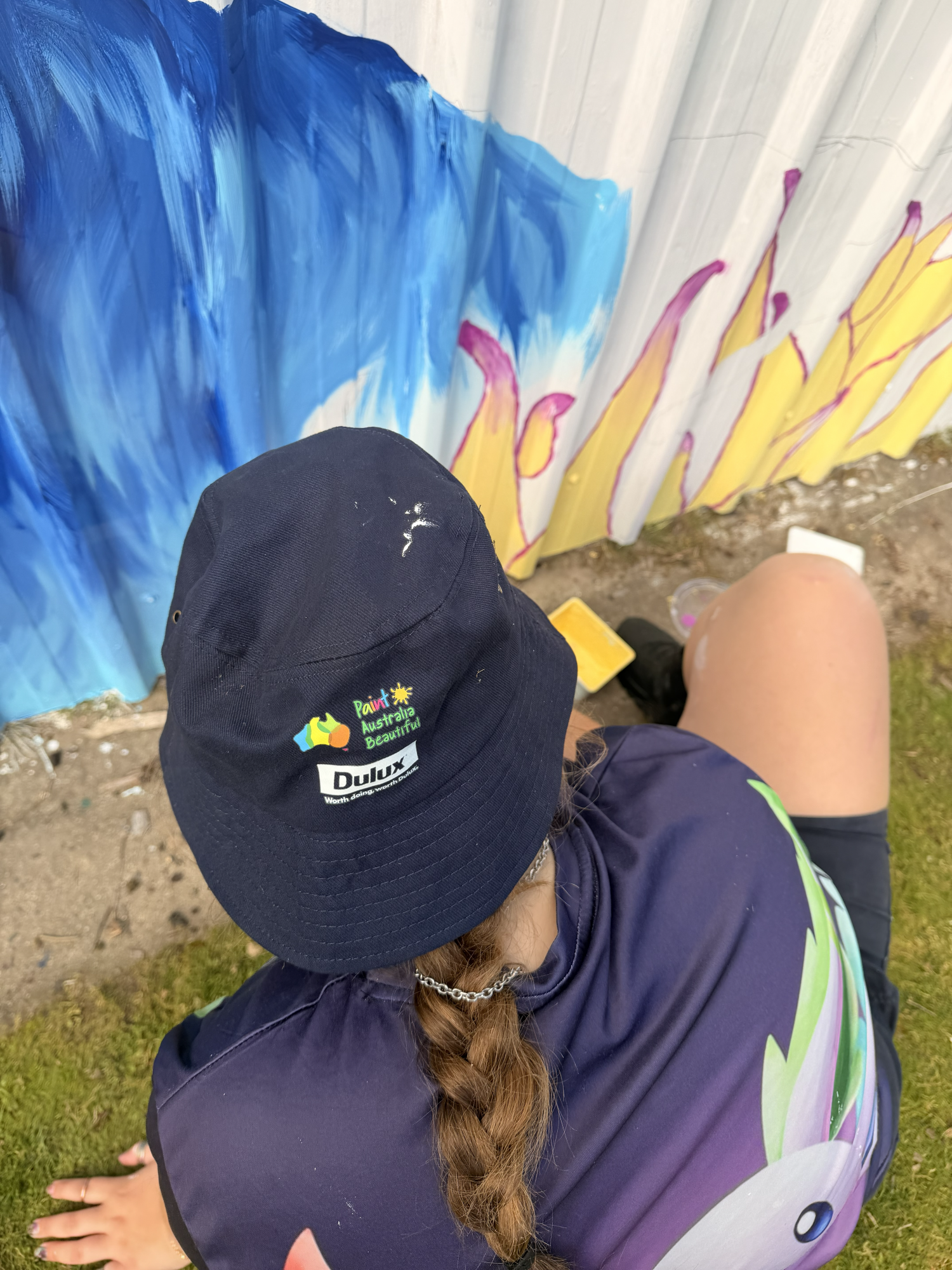
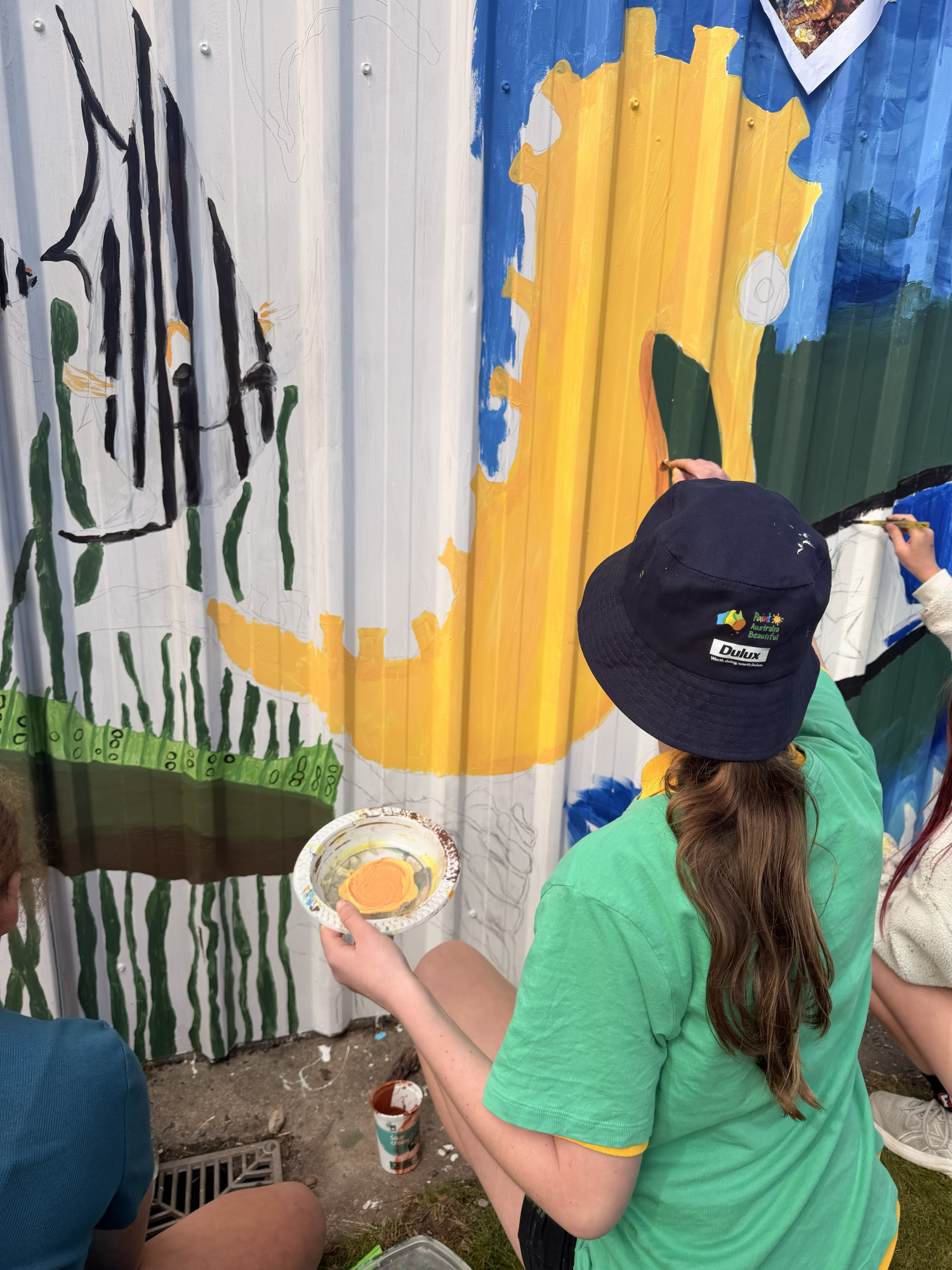
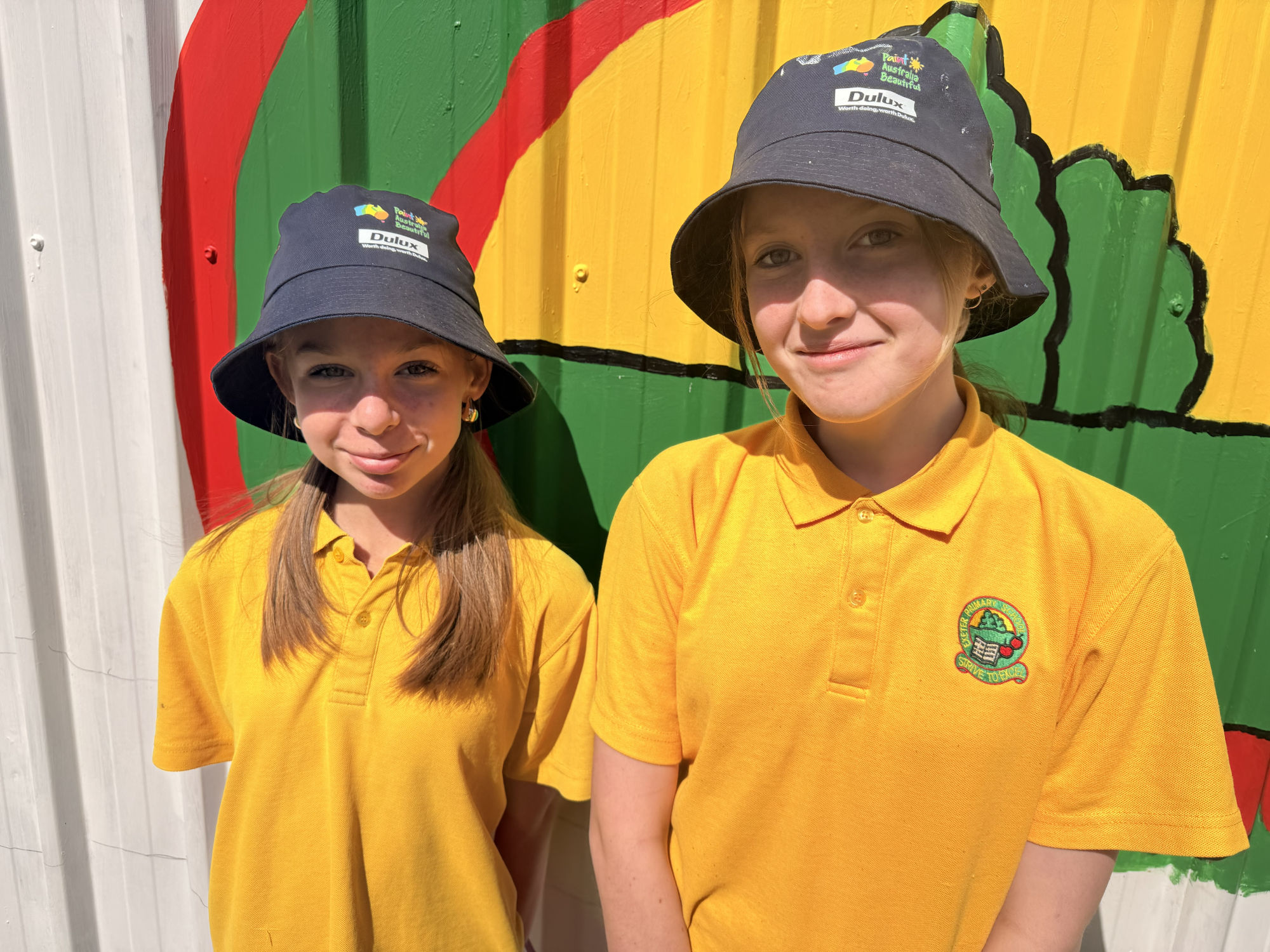
This year, a new group of Grade 6 Peer Leaders picked up where their predecessors left off. Building on the original concept, they incorporated new ideas inspired by changes to waste management at the school, with teacher Amy Sims helping to develop the plan further. Now, between nine and 20 students are expected to contribute to bringing the mural to life, with the Grade 6 Peer Leaders at the helm. Their enthusiasm hasn’t been difficult to find. According to Amy, the leaders “would have every day out of class if we would let them”. Just as importantly, they are learning from one another – supporting their peers, sharing their strengths and teaching each other how to paint.
Life above, below and along kanamaluka
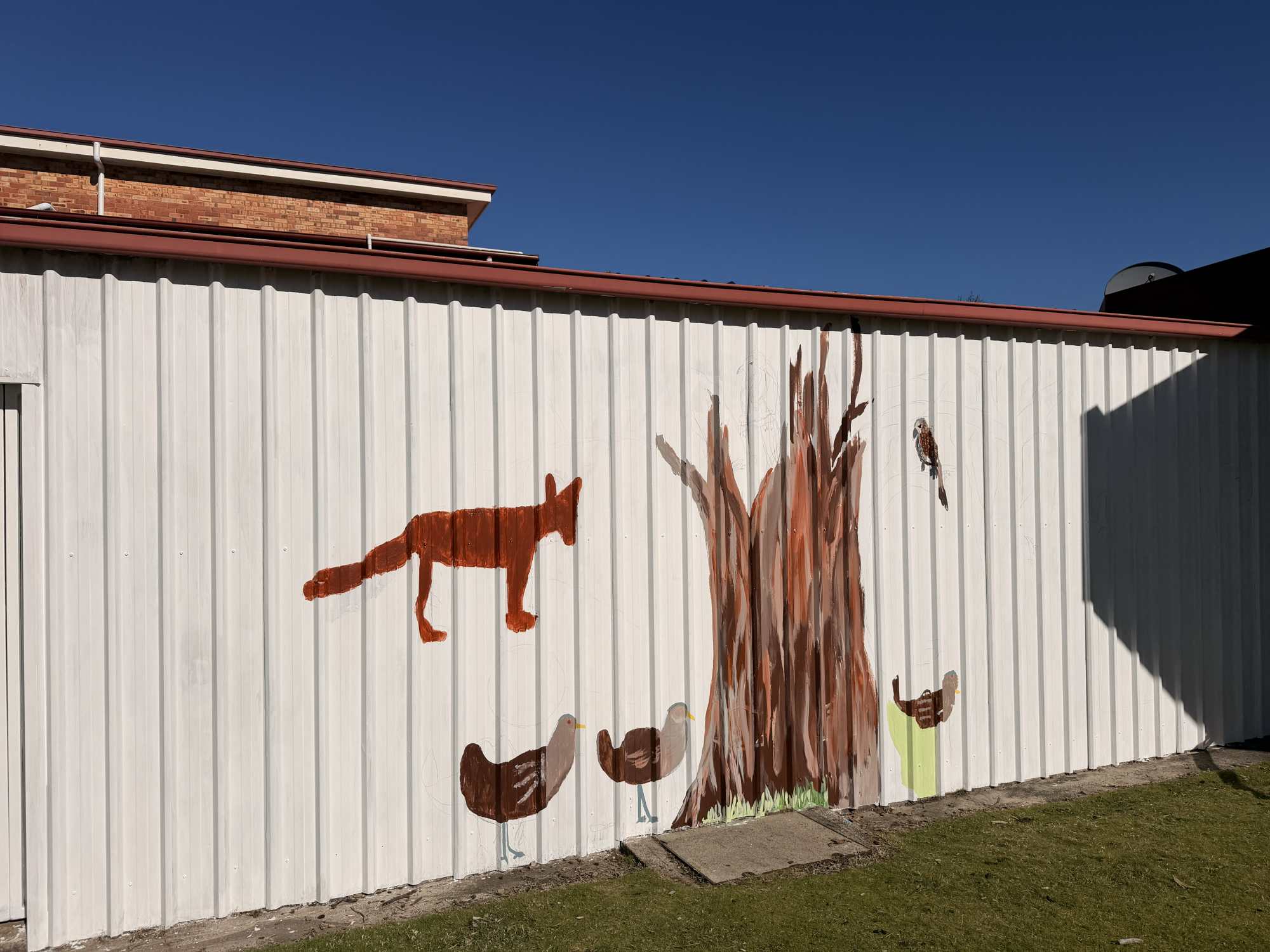
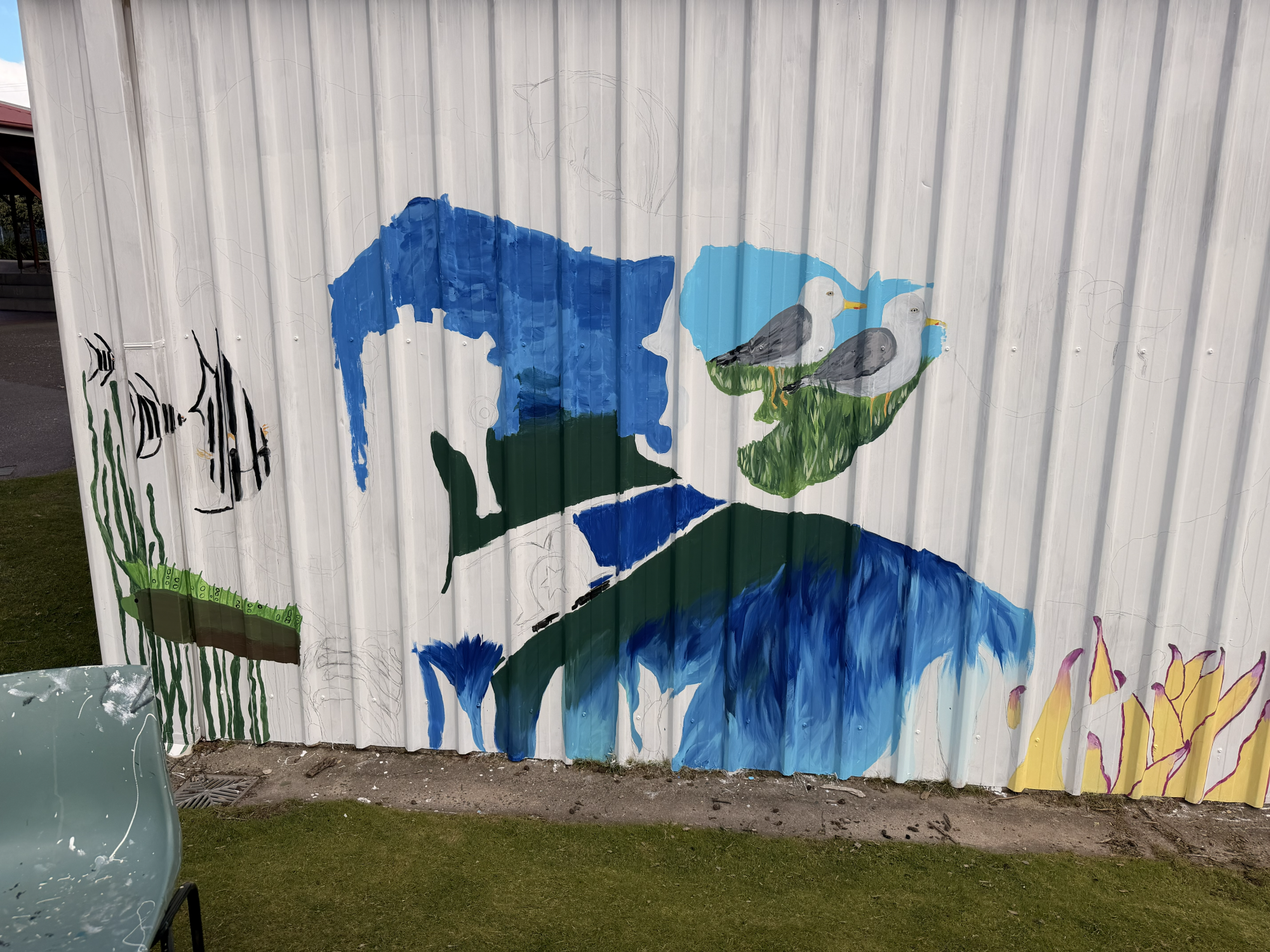
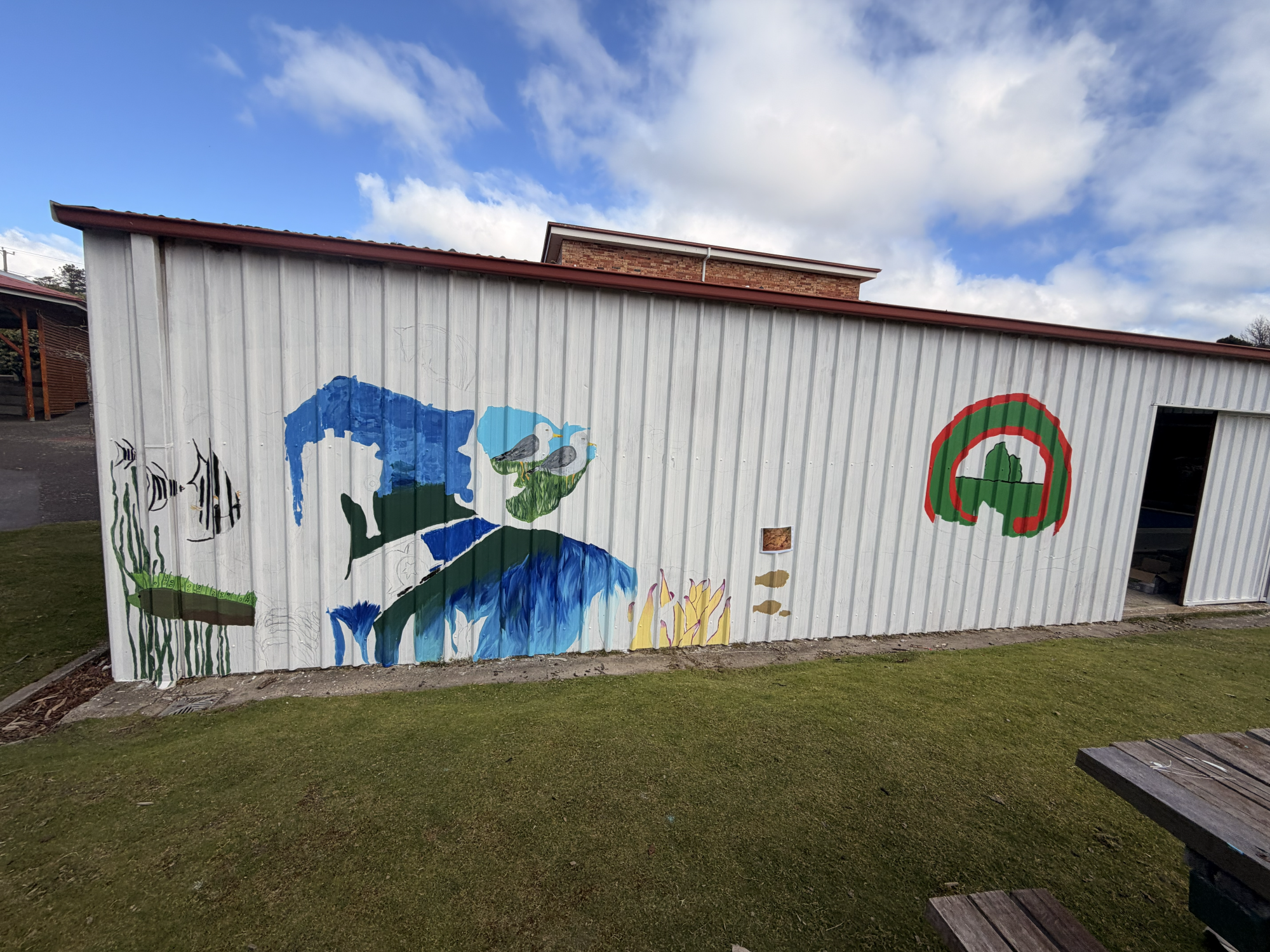
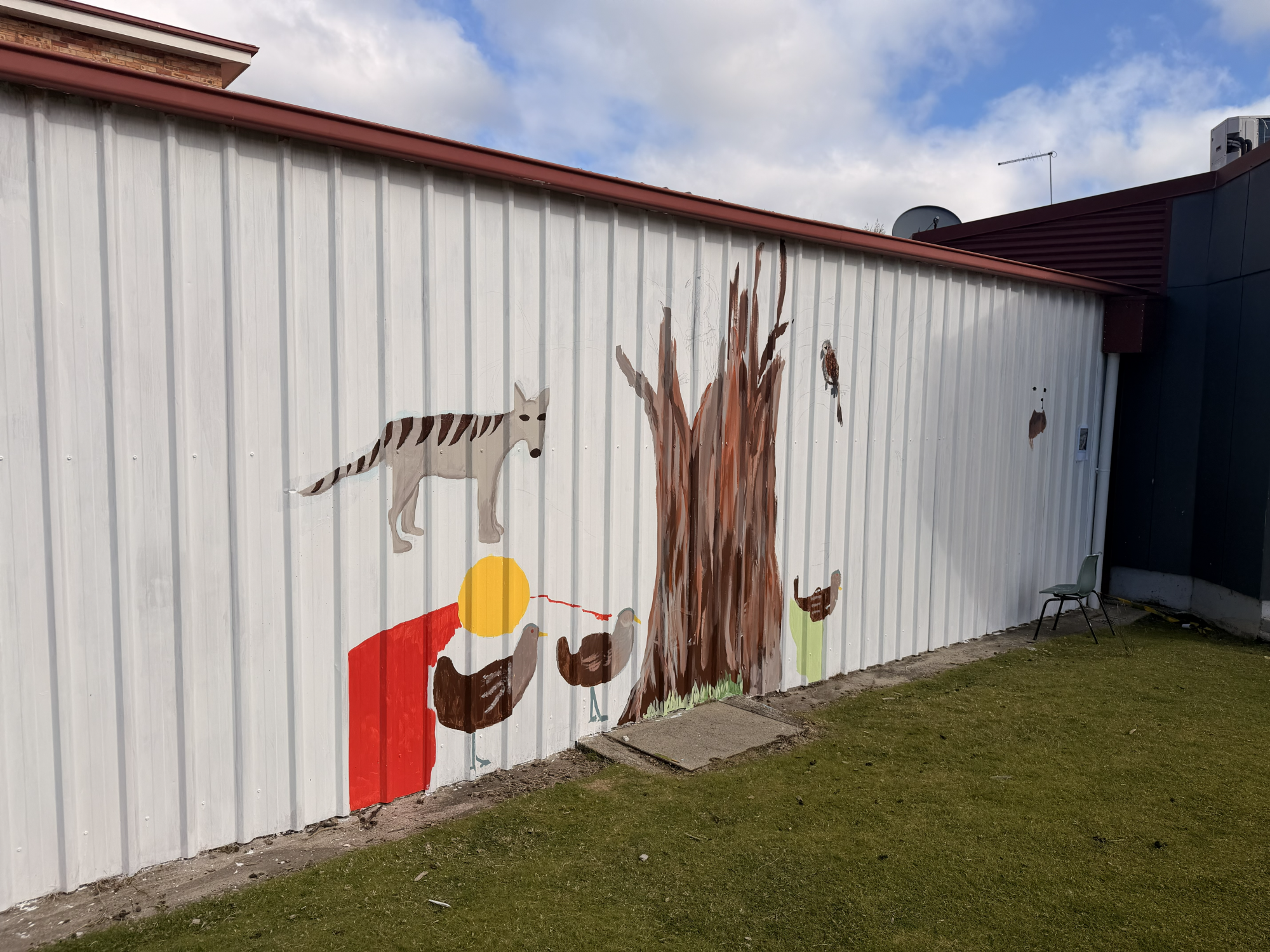
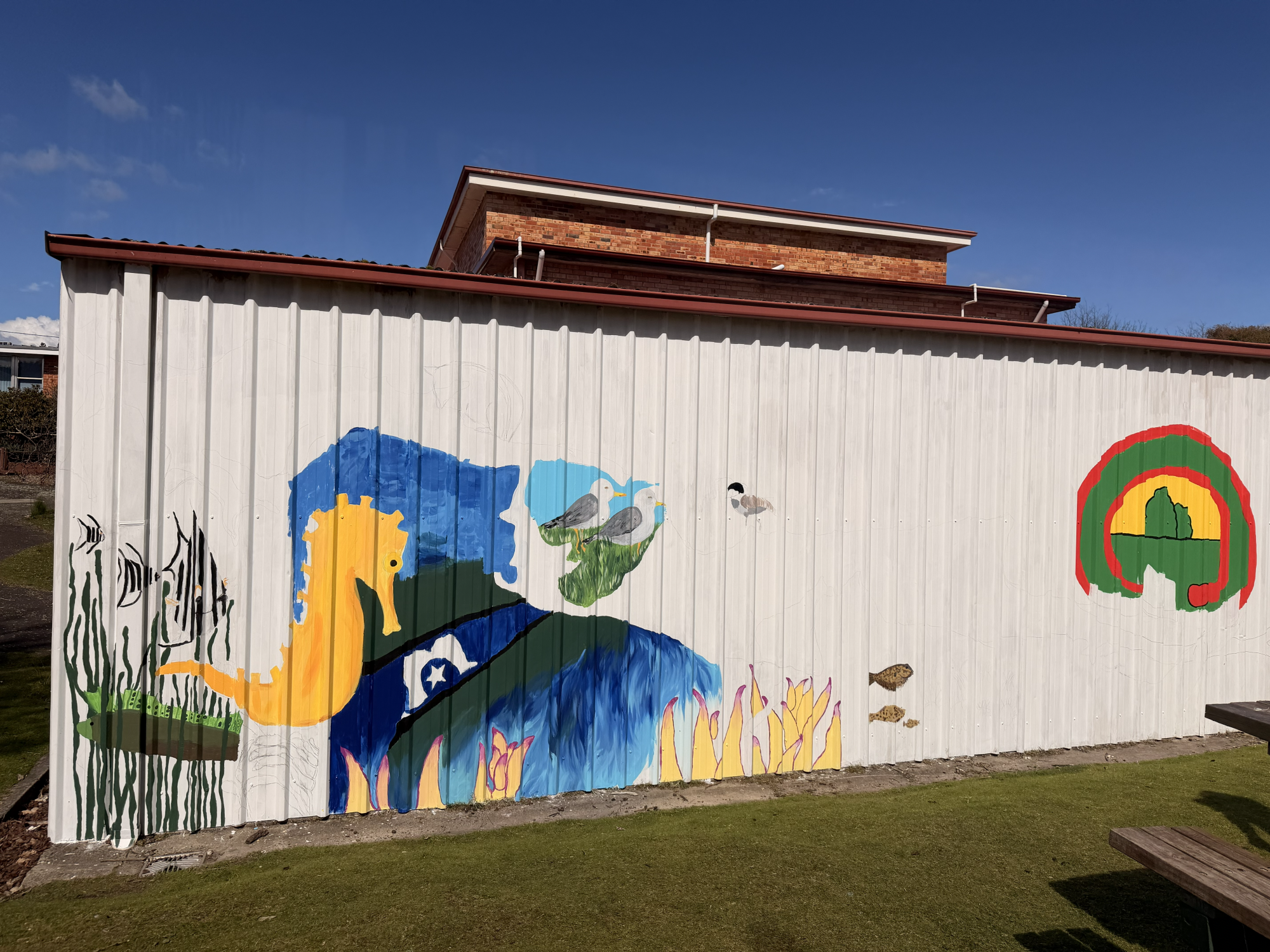
Running through the centre of the mural is the shape of kanamaluka / the Tamar River estuary – a defining part of the landscape where many Exeter families live, work and play. Around it is a collection of species drawn directly from students’ experiences of their local environment. The school’s resident possum makes an appearance, alongside wallabies and pademelons familiar to students from the school grounds. Green Rosellas feature prominently, reflecting the birds that gather in the school courtyard, while plovers and their young represent another regular visitor to the school oval.
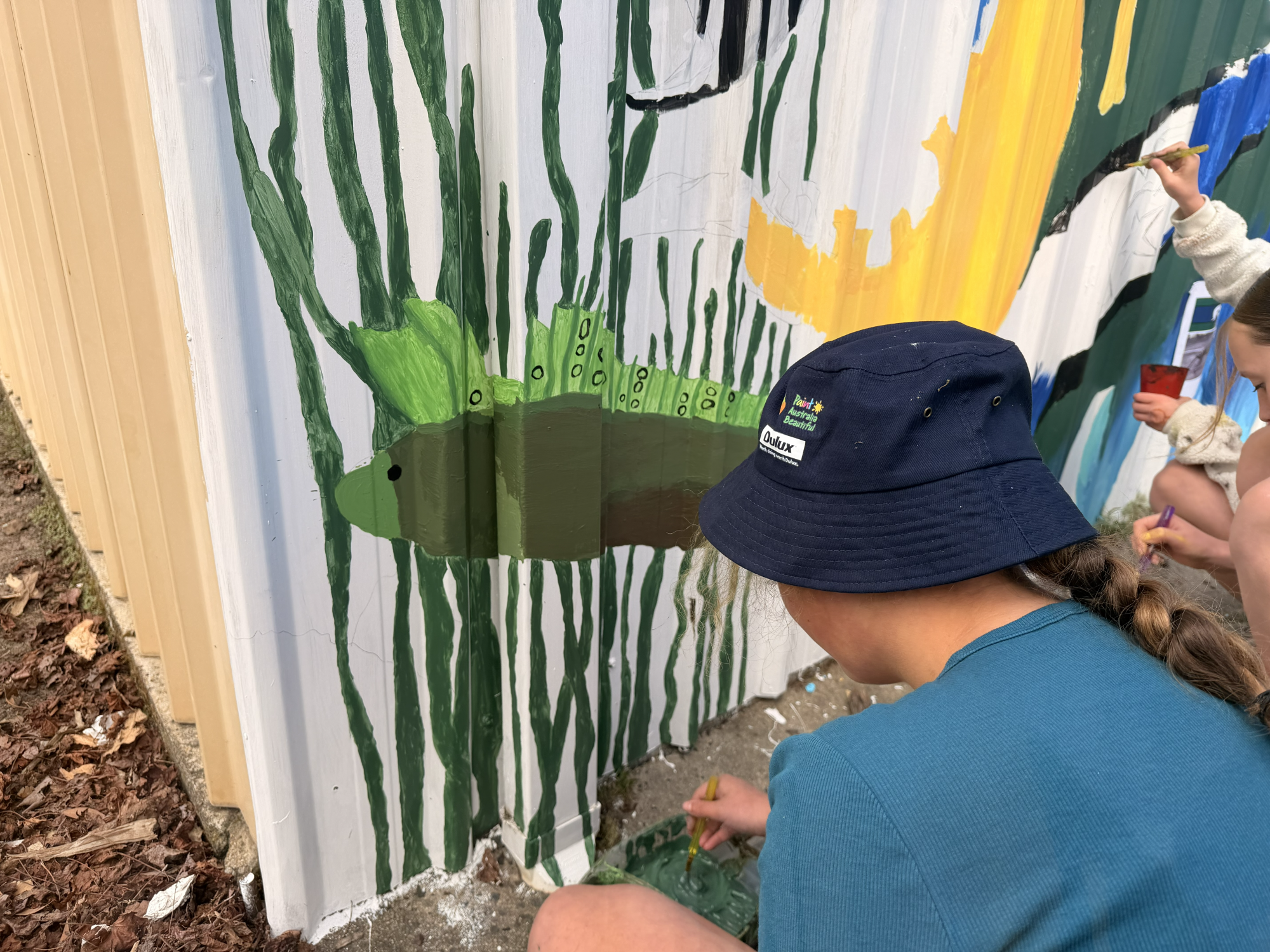
Even changing patterns in local wildlife have found their way into the story. Seagulls, once rarely seen around the school, have gradually become visitors over recent years. The mural also looks beneath the surface of the river. Inspired by Beneath the Tamar, students selected underwater species found around their local stretch of the estuary, including the Gravelly Beach area. There is a personal connection behind the choices: if an animal appears in the design, it is because an Exeter student has experienced it. Together, the species create a picture of an ecosystem that extends beyond what we immediately notice – encompassing life on the land, in the trees and beneath the water.
A school shaped by its community
Exeter Primary School’s roots in the Tamar Valley stretch back more than a century. Founded as Exeter State School in 1909, it has evolved through several forms and names over its history before becoming the Kindergarten to Year 6 primary school it is today. Some of that history remains visible on campus. The school’s heritage block now houses its breakfast club and art room, while an apple on the school logo represents the orchards that have long been part of the surrounding area.
Today, around 320 students attend Exeter Primary School, drawn from the town and surrounding rural communities. Some families travel 40 minutes or more to reach the school, while others have connections stretching across generations, with former students now returning as parents themselves. There is even a particularly unusual chapter in the school’s environmental history. A building now used to house the school chickens was once home to a Marsupial Centre. Opened in 1977, it housed wombats, wallabies, bandicoots, possums, peacocks, peahens, ducks, hens and other animals, giving students the opportunity to care for and learn about wildlife. Decades later, animals are still very much part of school life – although these days, many of them arrive of their own accord.
Caring for Exeter’s little slice of the world
That close relationship with the environment also shapes the school’s approach to sustainability. Students have participated in rubbish audits and helped refine waste sorting across the school, with separate systems for recycling, cans and general waste. Food scraps are collected for the school chickens, while recyclables from the canteen have recently begun being collected through a Recycling Rewards program supported by the School Association. Student leadership has been important throughout that journey.
Previous Eco Leaders ran educational activities and environmental initiatives, with those responsibilities now incorporated into the Peer Leader program and shared with the school’s Grade 3 to 5 student representatives. Over the years, students have participated in initiatives including bread bag recycling competitions and the school’s Remade arts program, which transforms discarded clothing and materials into wearable fashion. Sometimes, environmental responsibility is much less formal. Students can be found voluntarily picking up rubbish during lunch and recess simply because looking after the school is something they value. It reflects an idea that runs throughout life at Exeter: school and environment aren’t two separate things. The school is part of the land around it, just as the land is part of the students’ everyday experience.
The more you look, the more you see
Being named Tasmania’s state winner of Paint Australia Beautiful has given Exeter the opportunity to share that connection beyond its own community. For a rural school, it is also a chance to celebrate what its students, teachers and families have to offer – from student creativity and leadership to the extraordinary flora, fauna and landscapes of the Tamar Valley.
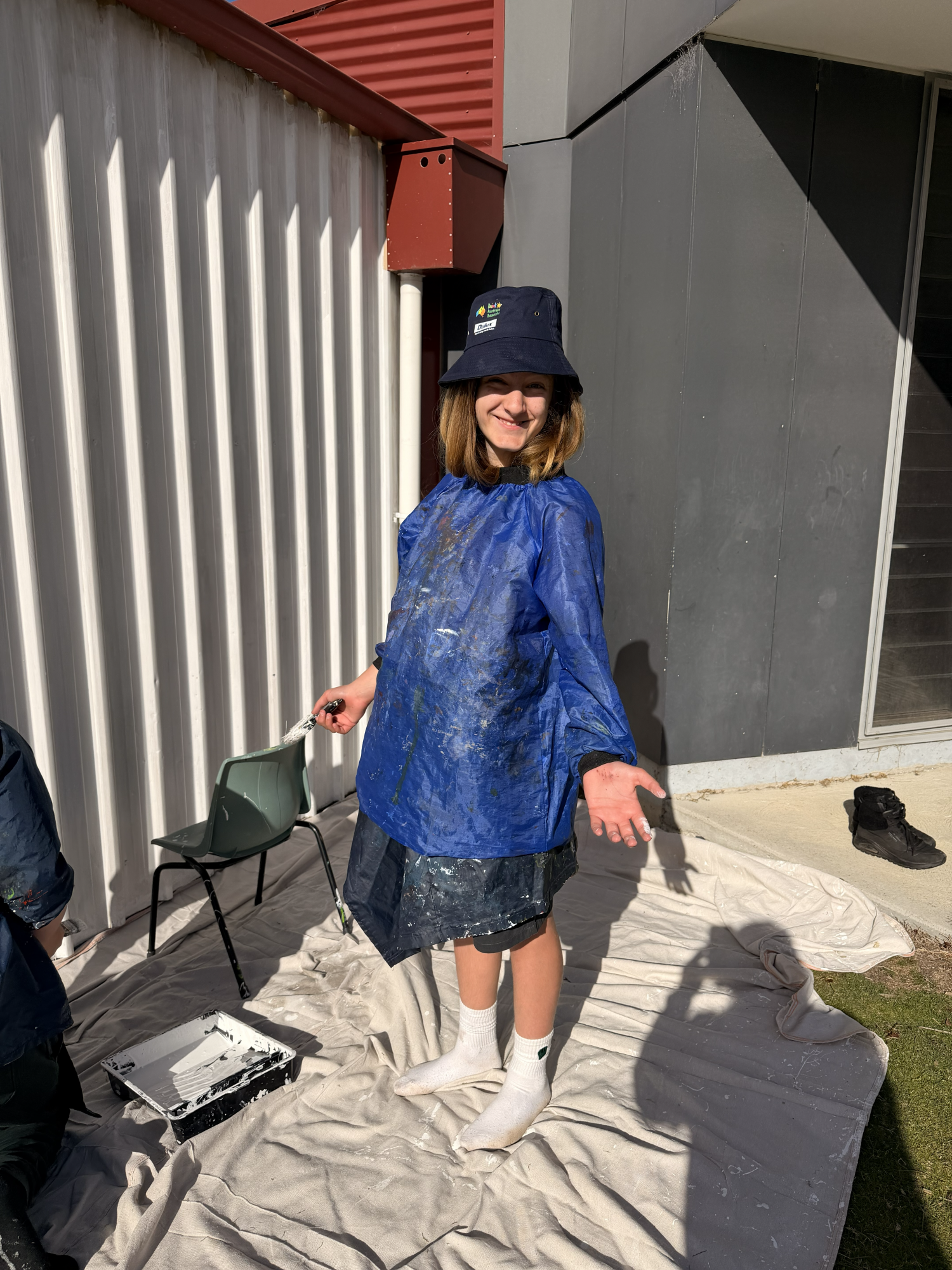
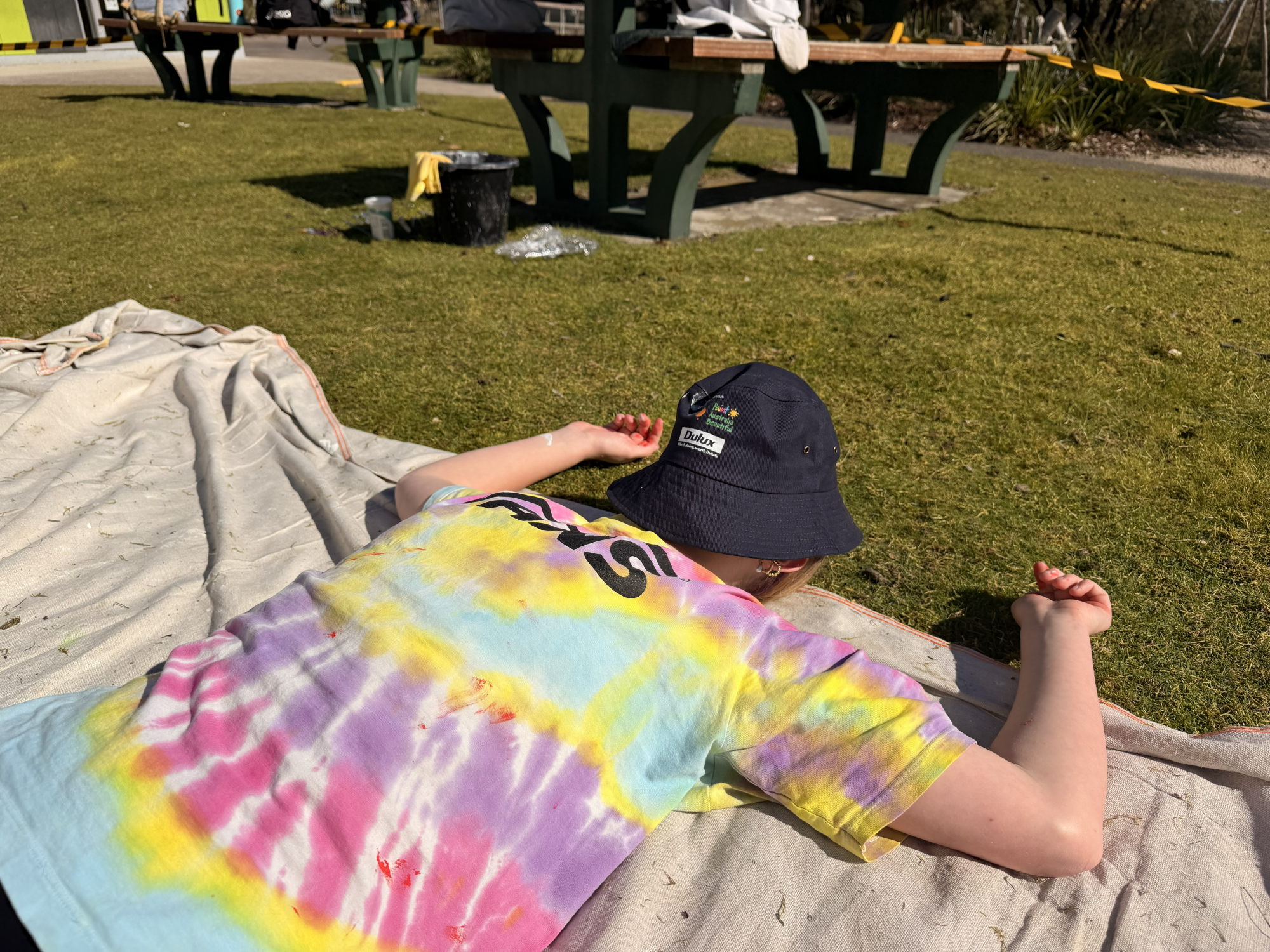
Already, painting the mural is creating new kinds of learning. Students are discovering the challenges of working at a large scale, learning how to teach and support one another and recognising the different strengths their peers bring to a team. They are even learning about the practical realities professional painters face. On one particularly beautiful day, students discovered that sunlight reflecting from their newly bright wall could make painting surprisingly difficult, prompting conversations about weather, working conditions and how they might adapt to meet their deadline. As the project progresses, the students are beginning to understand that they are contributing to something bigger than themselves.
That idea sits at the heart of the mural, too. The ecosystem around Exeter includes the things students see every day – the wallaby across the playground, the possum in the school grounds or the birds in the courtyard – but also an enormous amount of life that remains unseen beneath the water and throughout the wider landscape. The school hopes the mural will encourage students to keep looking, questioning and discovering what else is there. It is also a reminder that their own lives form one small part of a much bigger ecosystem – and that protecting their little slice of the Tamar Valley requires people to work together.
For the students painting it, perhaps the mural will leave another kind of legacy too: proof that even when a challenge feels enormous, perseverance, courage and the strengths of a team can turn an ambitious idea into something lasting. Something future Exeter students can look at closely – and perhaps discover something new each time.