Part 3 – “Do the Right Thing”: The cultural turning point
Do the Right Thing Campaign
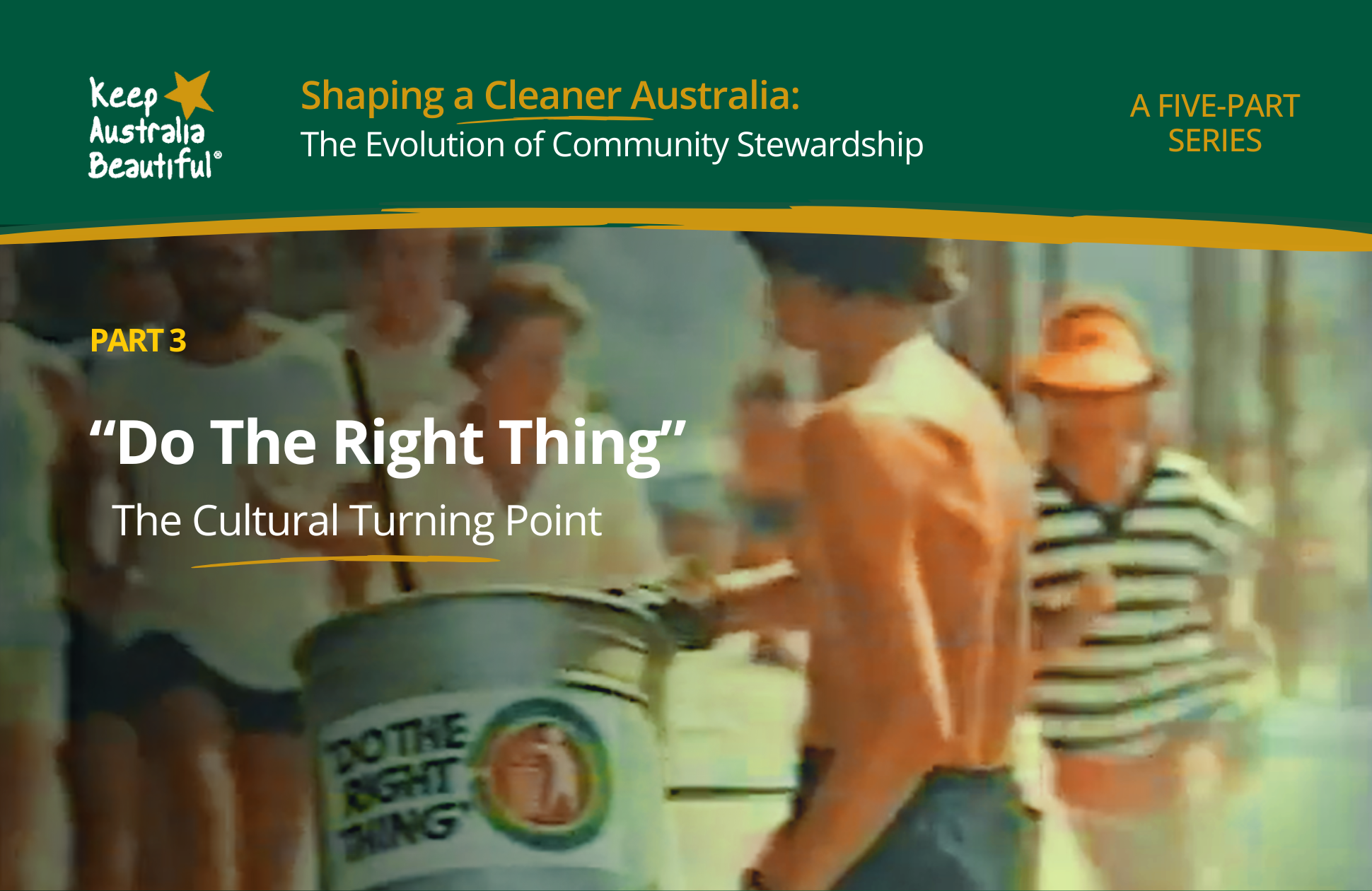
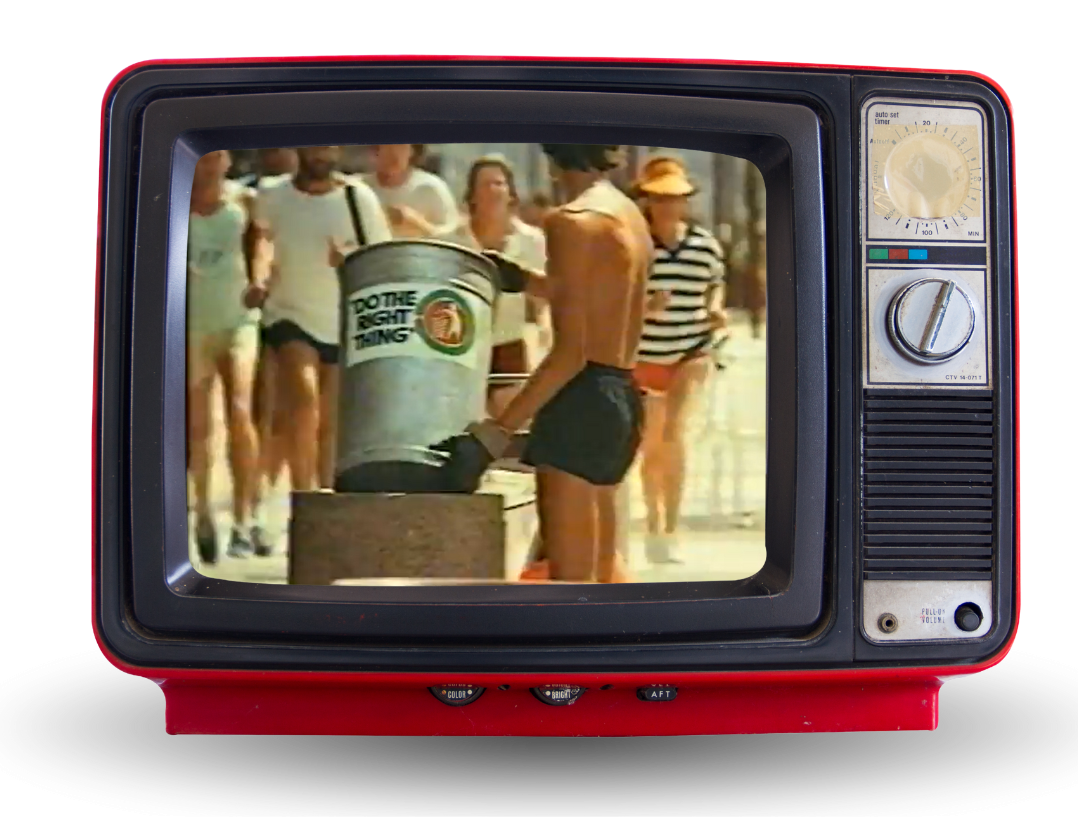
By the early 1990s, Australia experienced a shift in how it understood litter, waste and environmental responsibility. At the centre of this change was one of Keep Australia Beautiful’s most recognisable initiatives: the Do the Right Thing campaign. It became a landmark moment in national behaviour change, influencing public awareness for decades to follow.
The rise of behaviour change messaging
Do the Right Thing was one of the first mass-scale behaviour change campaigns in Australia. It used simple, consistent messaging and a memorable jingle to embed litter-awareness into everyday life. The campaign reached Australians in their homes, at school, at community events, and through TV and radio.
It helped normalise environmental behaviours that are now second nature—putting rubbish in the bin, reducing waste, and considering the broader impact of litter. Importantly, it also introduced early public conversations about climate change and biodiversity loss, at a time when these concepts were rarely discussed or widely understood.
A generational impact
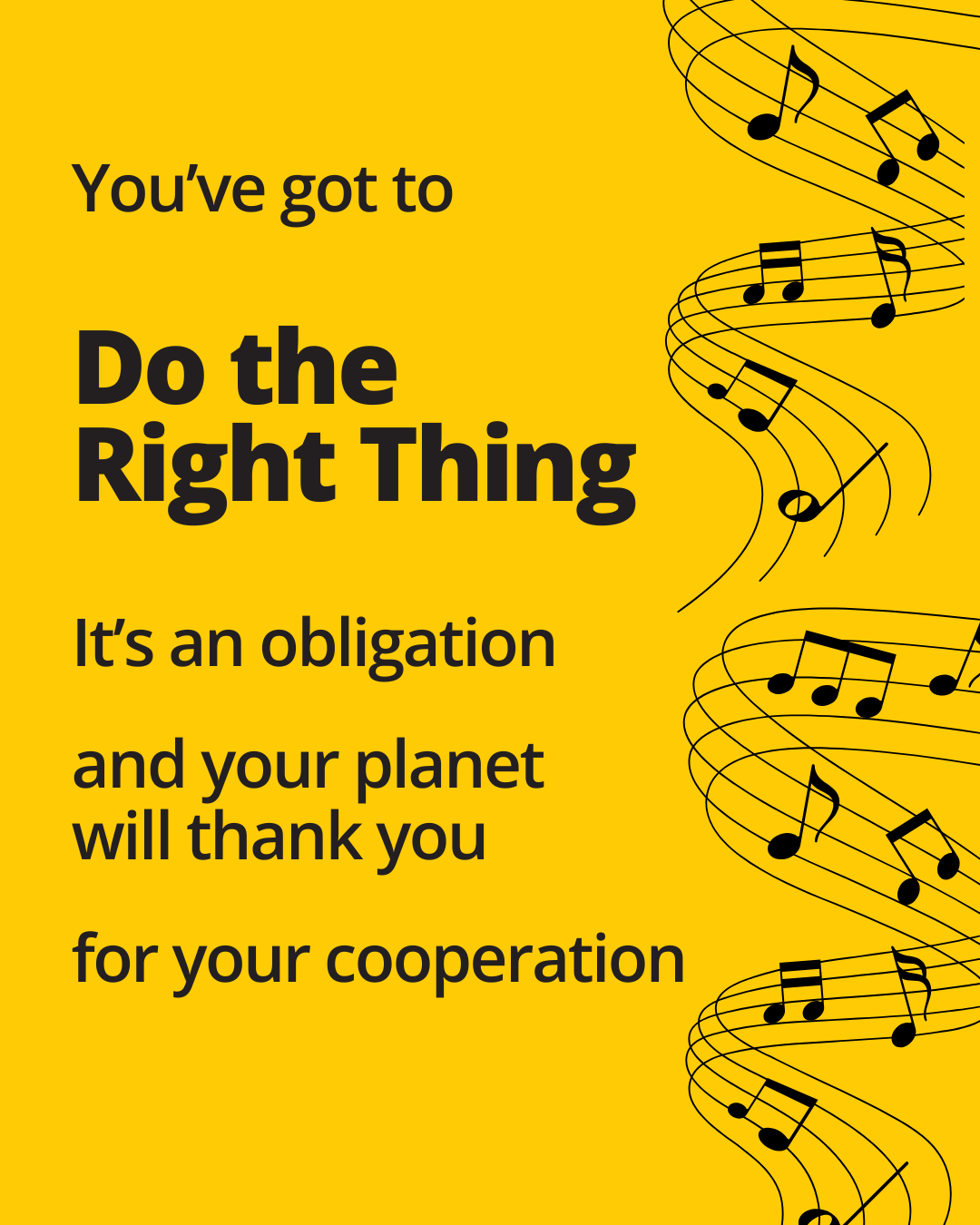
The message, “Do the Right Thing – It’s an Obligation”, became one of the most recognisable public slogans in the country. For many Australians, it formed part of their childhood education in school around responsibility and civic behaviour.
Although communication channels and environmental issues have evolved, the slogan itself has endured. Today it remains visible on public bins around Australia, a quiet reminder of the values that shaped our environmental identity and the importance of collective responsibility.
How the campaign evolved over time
As environmental challenges grew more complex, so did the ways the original message was applied. Do the Right Thing gradually became a guiding ethos across all KAB programs and the backbone of Keep Australia Beautiful Week. The phrase began to encompass sustainable choices, community involvement, and environmental accountability at both individual and organisational levels.
The most recent KAB campaign, “A Little Taste of Plastic”, has built on this foundation. Rather than focusing solely on litter, modern initiatives tackle topics such as plastic pollution, microplastics, and corporate responsibility in supply chains. In this way, the meaning behind Do the Right Thing has expanded in line with cultural shifts and our growing understanding of environmental protection. What began as a call to put rubbish in the bin has evolved into a broader national conversation about sustainability.

Contemporary examples of the message in use
KAB continues to partner with councils and businesses that aim to reduce waste or operate more sustainably. As an independent accountability partner, KAB supports organisations that want to be part of the solution by integrating the Do the Right Thing message into their communications.
A recent example is KAB’s partnership with Yo-Chi, who have embedded the message into venue bins, compostable packaging, and customer education materials.
Yo-Chi’s environmental initiatives include encouraging reusable coconut bowls and drink bottles, removing single-use beverage sales in favour of unlimited water refill stations, and ensuring all cups, lids, spoons, and napkins are compostable. In South Australia and Western Australia, commercial composting partners ensure these items, when disposed of correctly, do not go to landfill. Yo-Chi also ran a colouring competition using anti-littering artwork and rolled out donation boxes in all their stores as part of their collaboration with KAB.
KAB provides support to councils and businesses wanting to use the slogan across signage, marketing, and policy-aligned education, helping maintain a consistent national approach to anti-litter messaging.
A lasting cultural imprint
The Do the Right Thing campaign marked a major turning point in Australia’s environmental awareness. What began as a simple reminder not to litter helped shape the framework for modern environmental communication, linking everyday behaviour with broader environmental outcomes.
Three decades on, the continued visibility and relevance of the slogan highlights its long-term cultural impact and the role it played in changing Australia’s attitudes toward waste and responsibility.
Looking Ahead
In Part 4, we explore Keep Australia Beautiful Week, showcasing modern advocacy in action and how KAB continues to inspire communities to take meaningful steps towards a more sustainable future.
WRITTEN BY: Rosie Starr (KAB Content Creator – Volunteer)
Related Posts