
Between lesson planning and marking, most teachers don’t have spare hours to launch big sustainability projects – but the good news is, you don’t need to! Sustainability doesn’t have to be perfect or complicated. Even small changes in one classroom can help students build sustainable habits they’ll carry for a lifetime.
Here are 10 quick wins to reduce waste, save energy, and encourage environmental awareness:
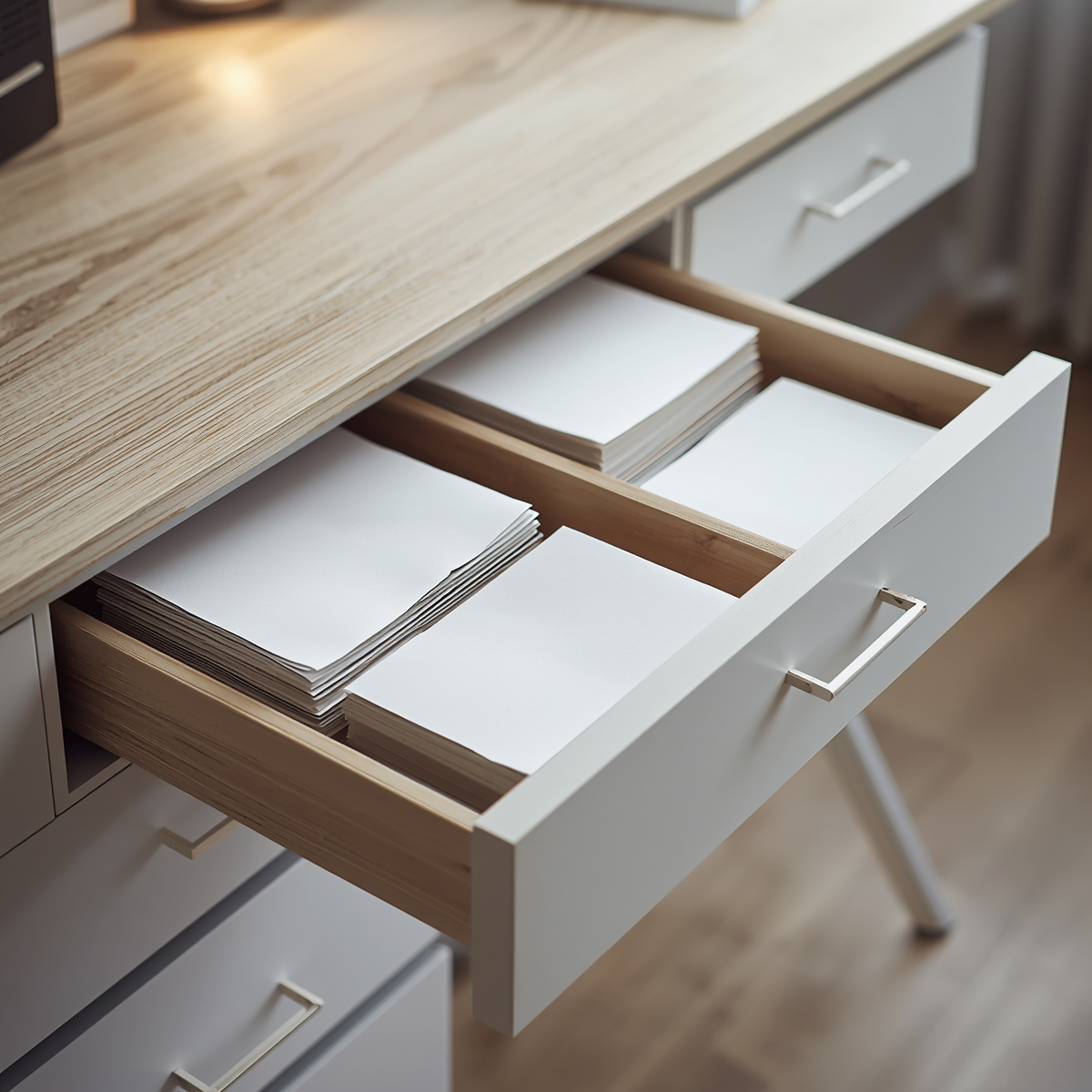
1. Create a Scrap Paper Drawer
Keep a box or tray for paper that has only been used on one side. Perfect for drafts, brainstorming, quick maths and sketches before it gets recycled.
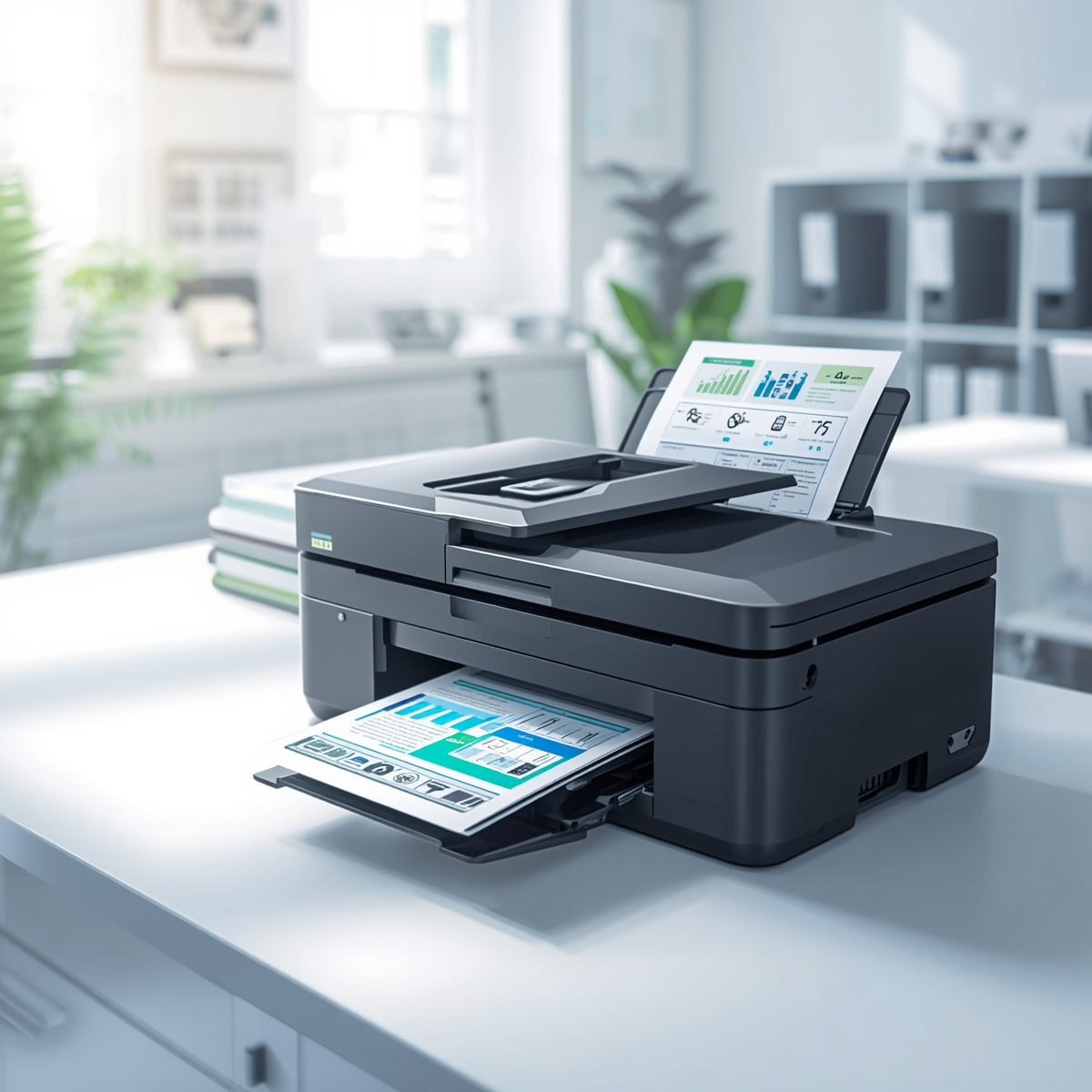
2. Print Double-Sided by Default
A simple change that can quickly cut classroom paper use in half.

3. Use Digital Platforms for Notes
Share notes, homework, and resources digitally wherever possible to reduce paper waste. Thankfully, less printing means less classroom clutter too!
4. Turn Off Projectors and Lights When Not Needed
Encourage students to switch off lights, computers, and interactive boards when leaving the classroom. Even a quick reminder at the end of the day will do the trick.
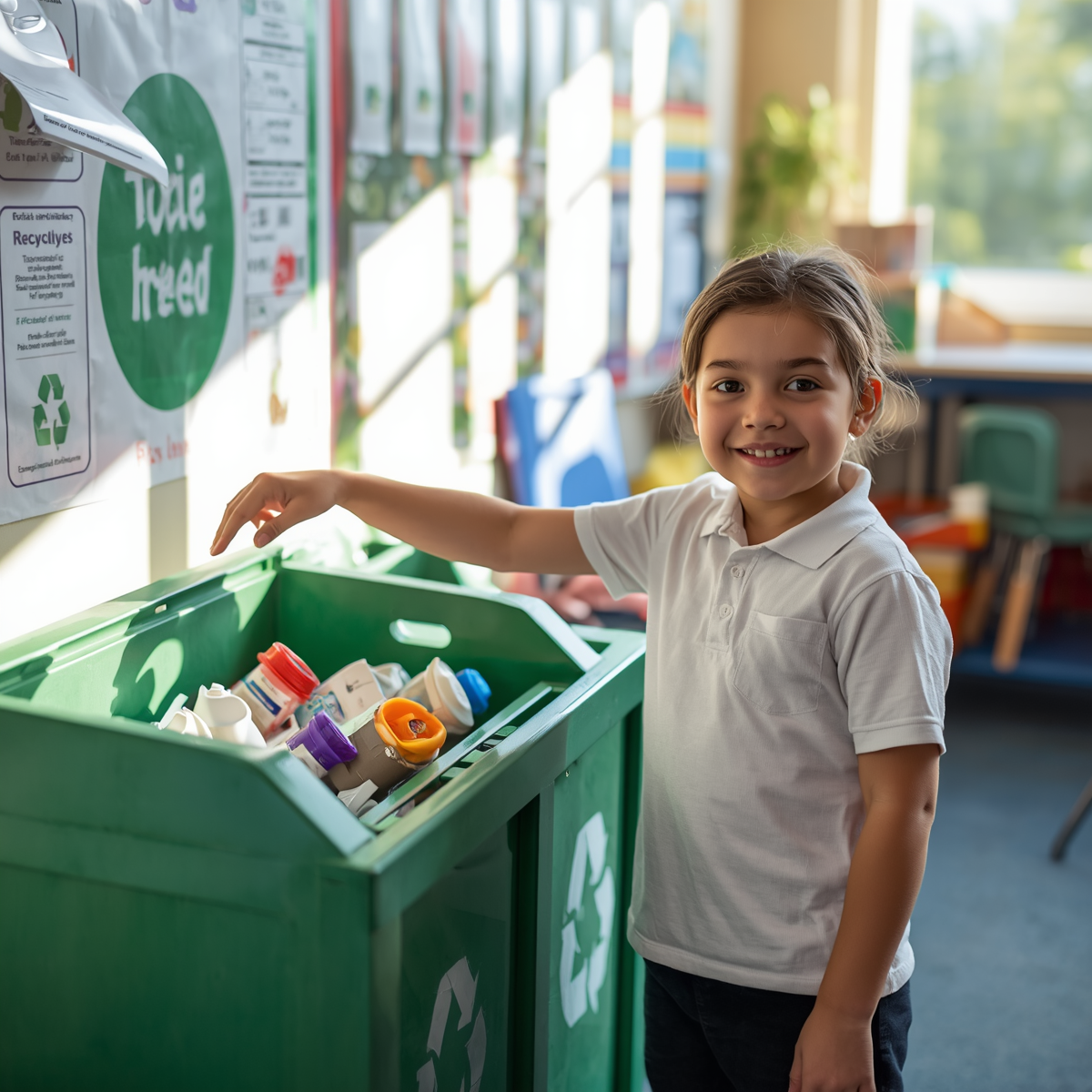
5. Create Student Sustainability Roles
Outsourcing sustainability to your students is a win-win! Assign simple classroom jobs like recycling monitor or energy checker to encourage student responsibility and environmental awareness.
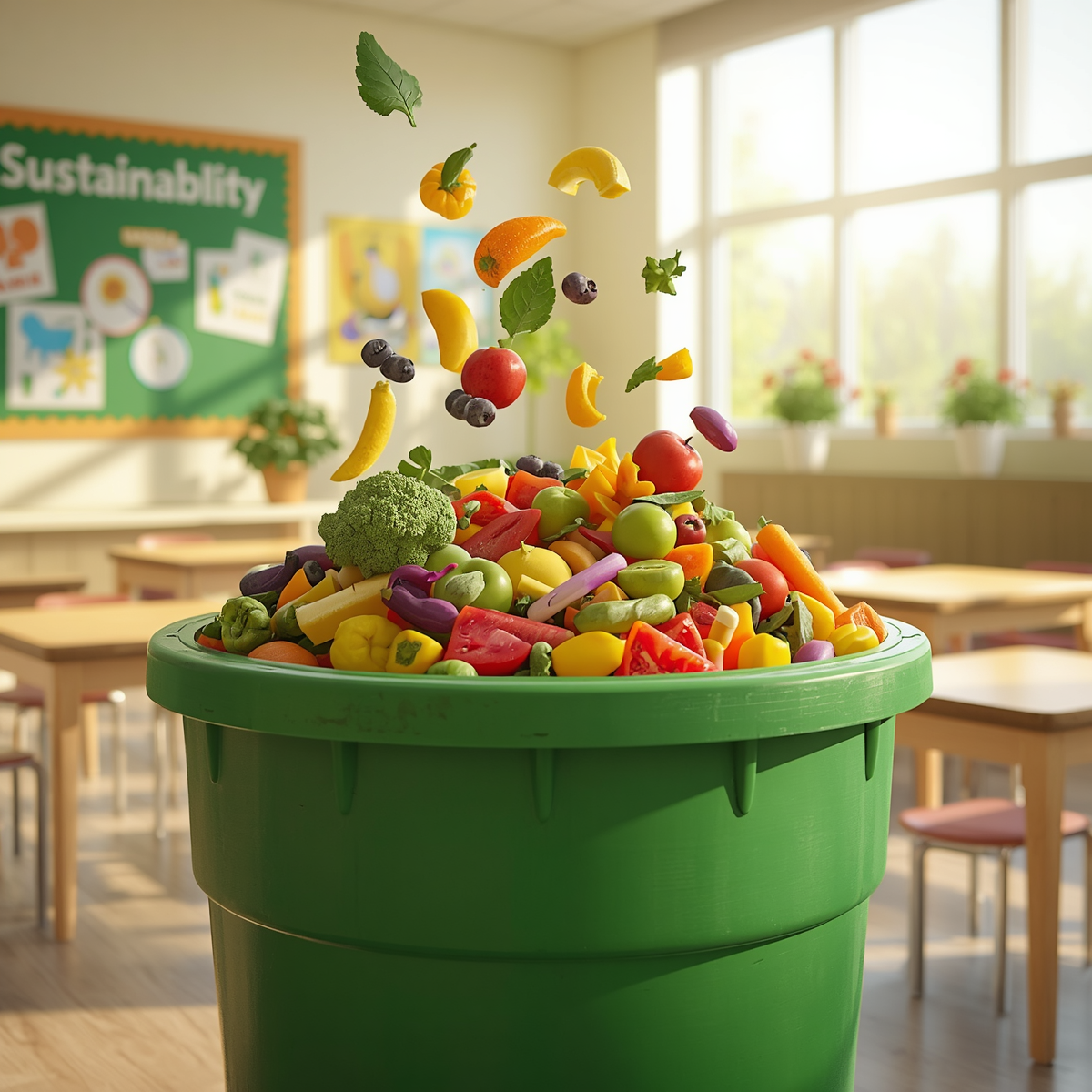
6. Start a Classroom Compost Bin
Banana peels, apple cores and snack scraps don’t need to go to landfill. Use a small container to collect food scraps from peckish students, which can then be added to the school compost system or worm farm.
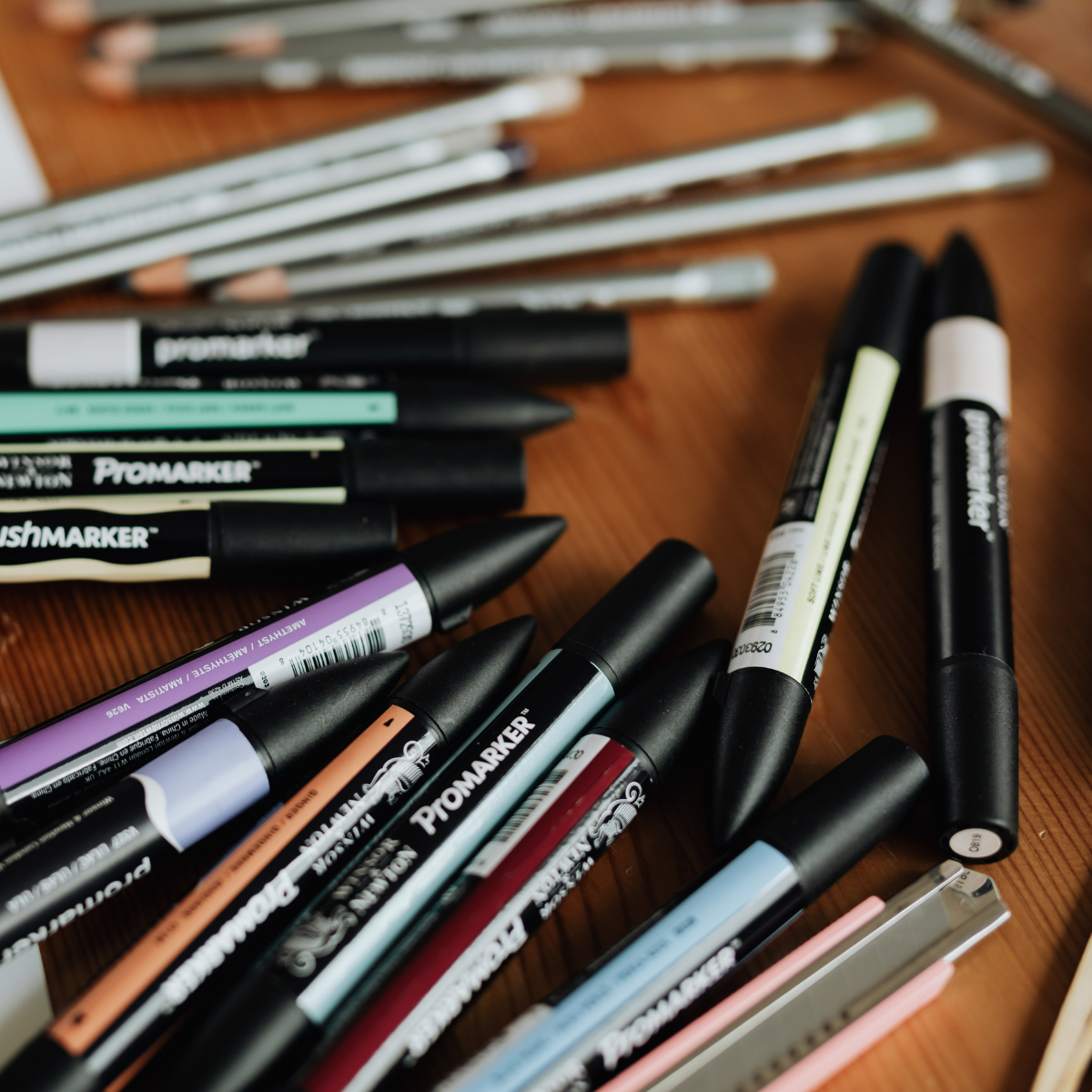
7. Collect Old Stationery for Recycling
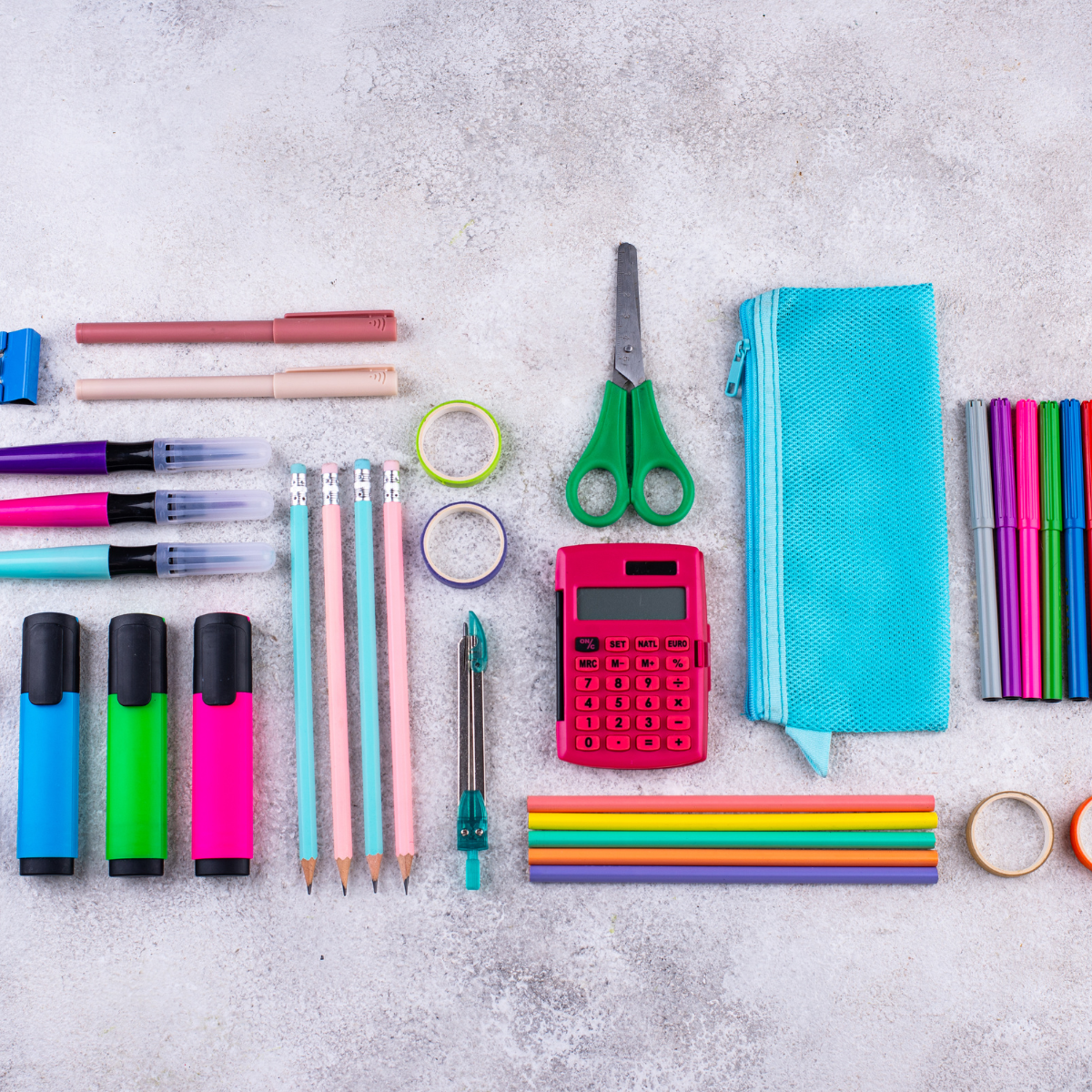
Did you know broken pencils, dry textas, and old highlighters can be recycled? Just keep them in a box to be taken to specialised recycling programs, including at Officeworks.
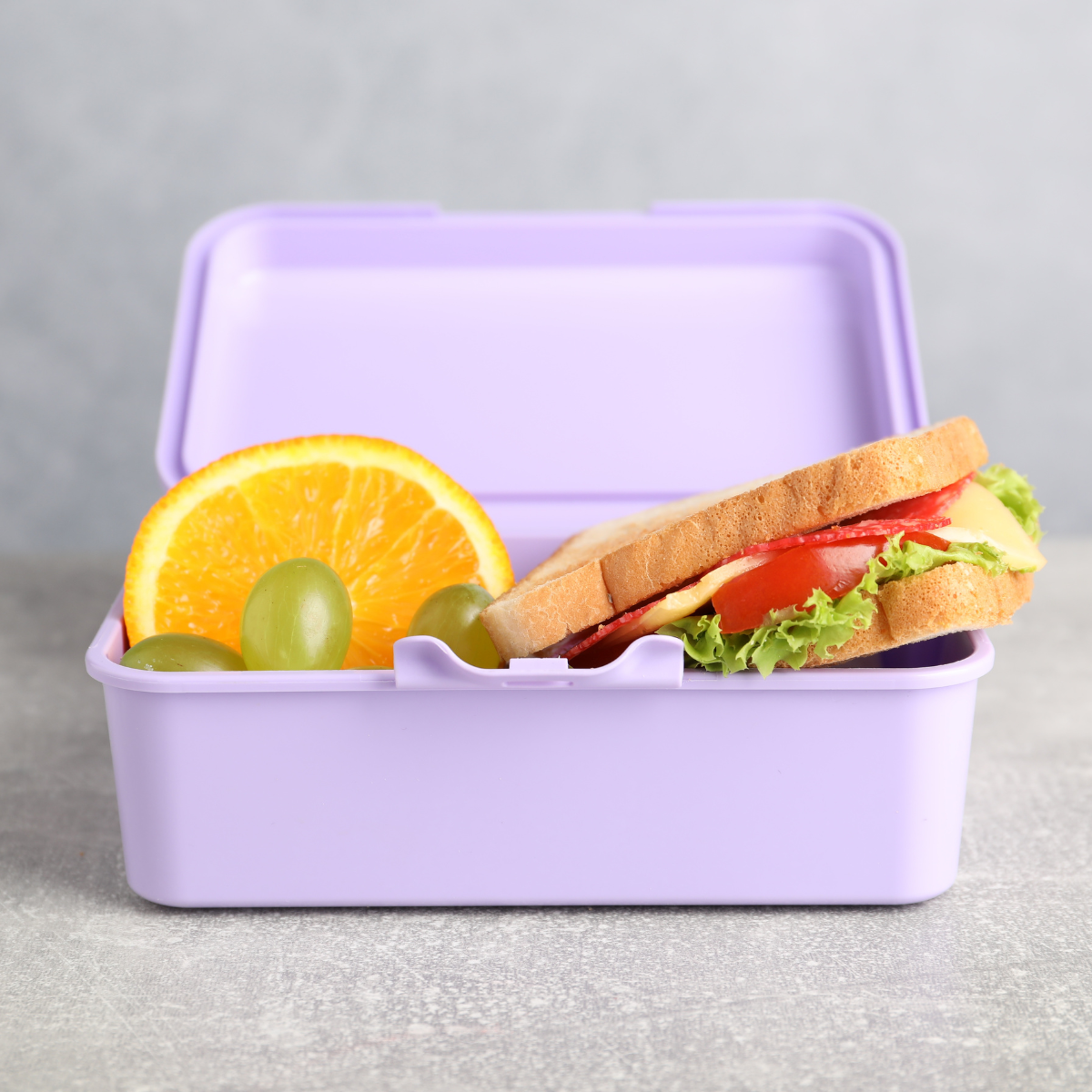
8. Have “No-Waste” Lunch Days
Challenge students to bring their lunch in reusable containers, wraps, and water bottles with no single-use plastic. It’s a fun way to get students thinking more mindfully about waste and consumption with a bit of friendly competitive built in.
9. Share Resources Between Classrooms
10. Add Indoor Plants to the Classroom
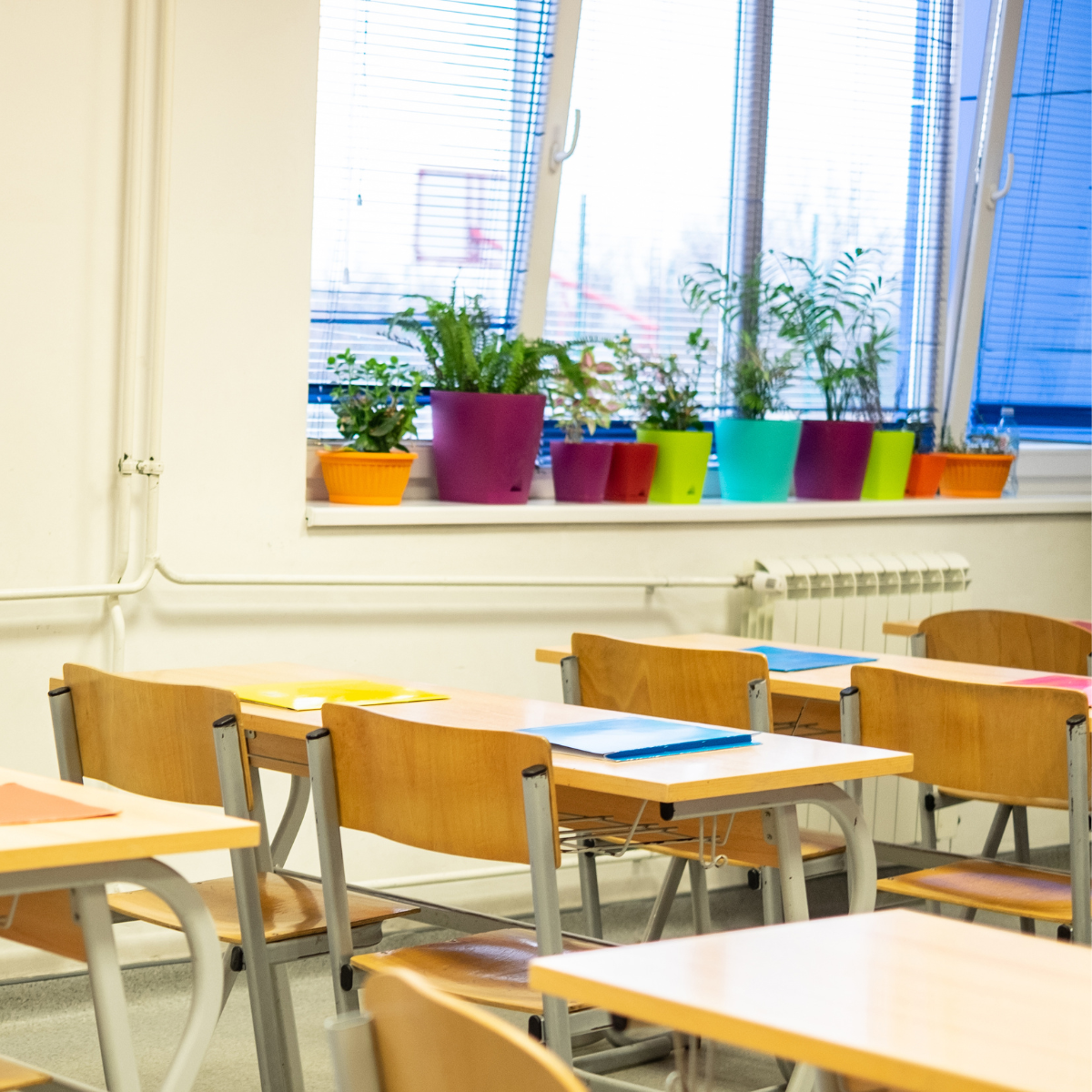
Bringing plants into the classroom helps students connect with nature while learning about plant growth, ecology, and responsibility.
1. Create a Scrap Paper Drawer
Keep a box or tray for paper that has only been used on one side. Perfect for drafts, brainstorming, quick maths and sketches before it gets recycled.
2. Print Double-Sided by Default
A simple change that can quickly cut classroom paper use in half.
3. Use Digital Platforms for Notes
Share notes, homework, and resources digitally wherever possible to reduce paper waste. Thankfully, less printing means less classroom clutter too!
4. Turn Off Projectors and Lights When Not Needed
Encourage students to switch off lights, computers, and interactive boards when leaving the classroom. Even a quick reminder at the end of the day will do the trick.
5. Create Student Sustainability Roles
Outsourcing sustainability to your students is a win-win! Assign simple classroom jobs like recycling monitor or energy checker to encourage student responsibility and environmental awareness.
6. Start a Classroom Compost Bin
Banana peels, apple cores and snack scraps don’t need to go to landfill. Use a small container to collect food scraps from peckish students, which can then be added to the school compost system or worm farm.
7. Collect Old Stationery for Recycling
Did you know broken pencils, dry textas, and old highlighters can be recycled? Just keep them in a box to be taken to specialised recycling programs, including at Officeworks.
8. Have “No-Waste” Lunch Days
Challenge students to bring their lunch in reusable containers, wraps, and water bottles with no single-use plastic. It’s a fun way to get students thinking more mindfully about waste and consumption with a bit of friendly competitive built in.
9. Share Resources Between Classrooms
10. Add Indoor Plants to the Classroom
Bringing plants into the classroom helps students connect with nature while learning about plant growth, ecology, and responsibility.
None of these wins require a budget, a committee, or a free period — just a small shift in how your classroom already operates. The real impact isn’t measured in paper saved or lights switched off; it’s in the students who leave your classroom thinking a little more carefully about the world around them. Start with one, make it a habit, then try another. That’s how change actually sticks.
WRITTEN BY: Rosie Starr (KAB Content Creator – Volunteer)
Related Posts