
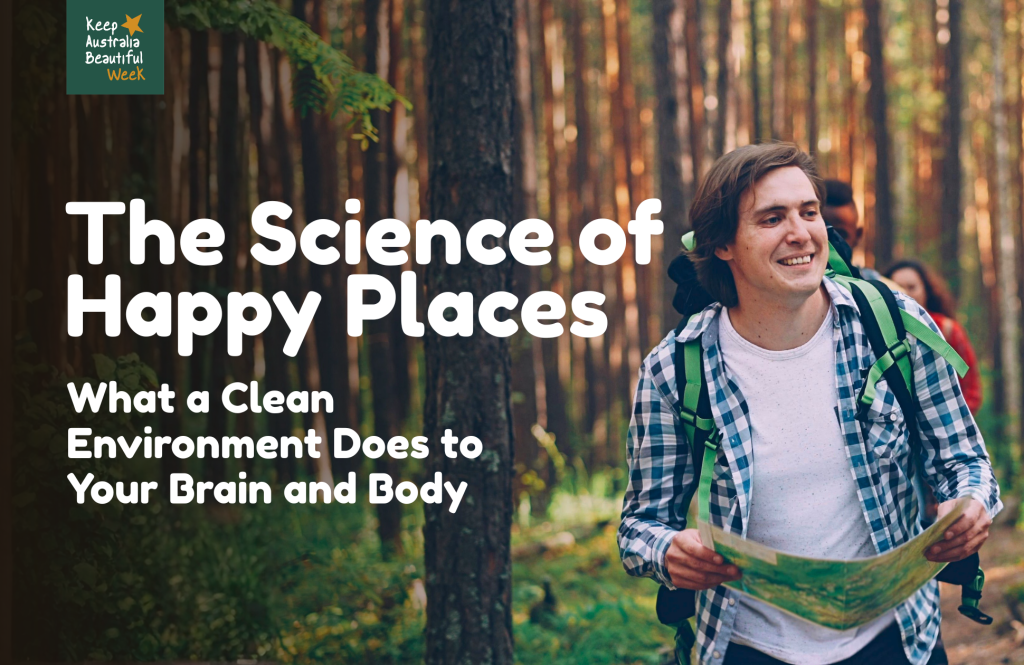
What a Clean Environment Does to Your Brain and Body
Have you ever noticed how relaxed you feel after a walk through a park, along a beach, or in a forest? Science shows this feeling isn’t just in your imagination. Our brains and bodies are wired to respond positively to healthy natural environments. And in an age where we are increasingly connected to our screen devices, a good dose of nature therapy is perhaps just what many of us need!
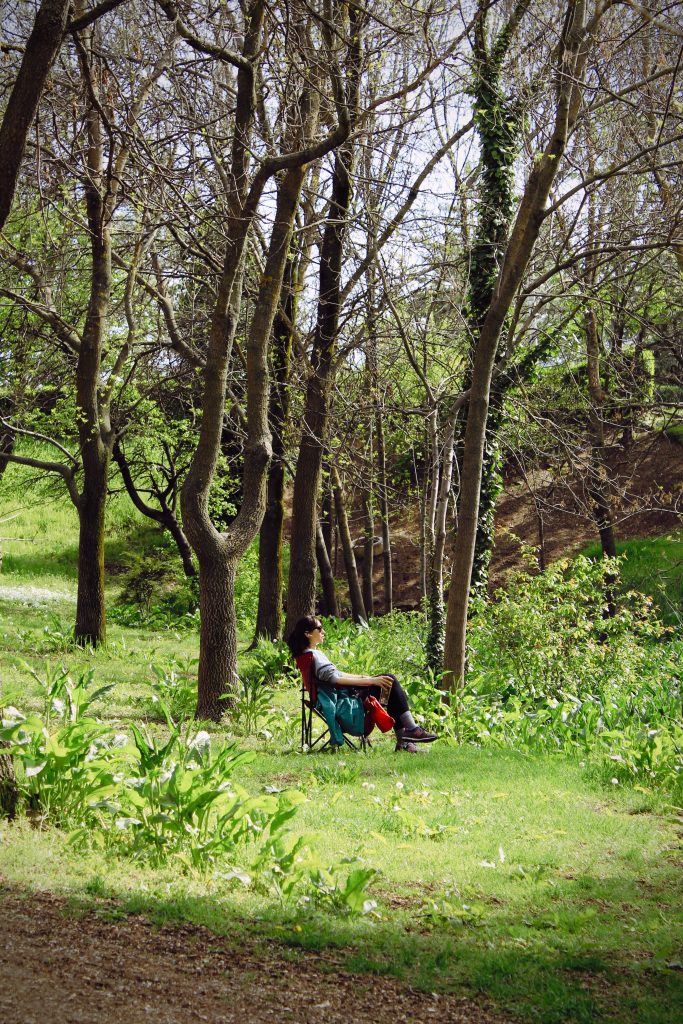
There is an ever-growing body of evidence that supports the benefits of nature on stress-relief, social connection, health restoration, and overall wellness (Gao et al. 2023).
So, what is it about natural environments that does wonders on our brain and body? Let’s look a few environmental theories about how nature truly is a wonder!
Nature’s Stress-Relief Effect
Cortisol is our body’s primary “stress hormone,” produced by our adrenal glands. A 2023 study (Gao et al. 2023) found that even a short visit to an urban park reduced cortisol levels and increased subject wellbeing levels. The researchers argue that even small changes in our daily routines and habits can make a worthwhile difference to our health and wellbeing!
Why do we keep talking about wellbeing?
Subjective wellbeing is such an important marker of quality of life. It is related to both mental and physical health (Geary et al. 2023).
Nurturing our Bodies
In the modern, Western lifestyle, we are spending less time outdoors and more time indoors, often sedentary, and connected to screens (Scott et al. 2021). As well as the importance of nature on our mental and emotional health, natural environments can lower heart rate and blood pressure. Furthermore, connecting with nature can be the antidote to sedentary indoor lifestyles—thus promoting a healthy heart.
Attention Restoration Theory
Attention Restoration Theory suggests that that mental fatigue and poor concentration occur when we overuse our brain’s directed attention system. Screens, traffic, noise and information can overload us and leave us mentally drained (Kaplan et al. 1995).
Natural environments engage our attention gently rather than demanding it. This allows the brain to recover and recharge.
And the benefits of a nature recharge? Improved focus, creativity and problem-solving.

Stress Recovery Theory
Stress Recover Theory suggests that exposure to unthreatening natural environments naturally facilitates rapid recuperation from stress and mental fatigue compared to built-up, urban environments (Ulrich et al. 1991). We shift between a sympathetic (fight-or-flight) response in urban settings, to a parasympathetic (rest-and-digest) response in natural settings.
Think of it like this: What environment is more likely to induce feelings like tranquillity and pleasure? The view out of an office building facing a brick wall, or a lush green garden?
Forest Therapy
Ever heard of a traditional Japanese custom called forest bathing? Immersing ourselves in forest settings can do wonders for our psychological and physiological well-being. Trees release invisible compounds called phytoncides into the air, and inhaling these compounds can have immunological benefits (Lew et al. 2024). Phytoncides have been found to significantly increase natural killer (NK) cell activity and perforin content in humans (Gao et al. 2024)—the cells our body uses to destroy virus-infected cells and cancer cells.
The Power of Colour
Green spaces—those with predominately green elements, such as grass, plants or trees—and blue spaces—those dominated by a watery element, such as a lake, river or coast—can have positive impacts on our mental health and wellbeing (Geary et al. 2023). Access to greenery is linked to reduced anxiety and improved subjective wellbeing, while water often promotes feelings of relaxation, awe and connection.
“Green calm below, blue quietness above” John Greenleaf Whittier
… And it’s Great for the Kids!
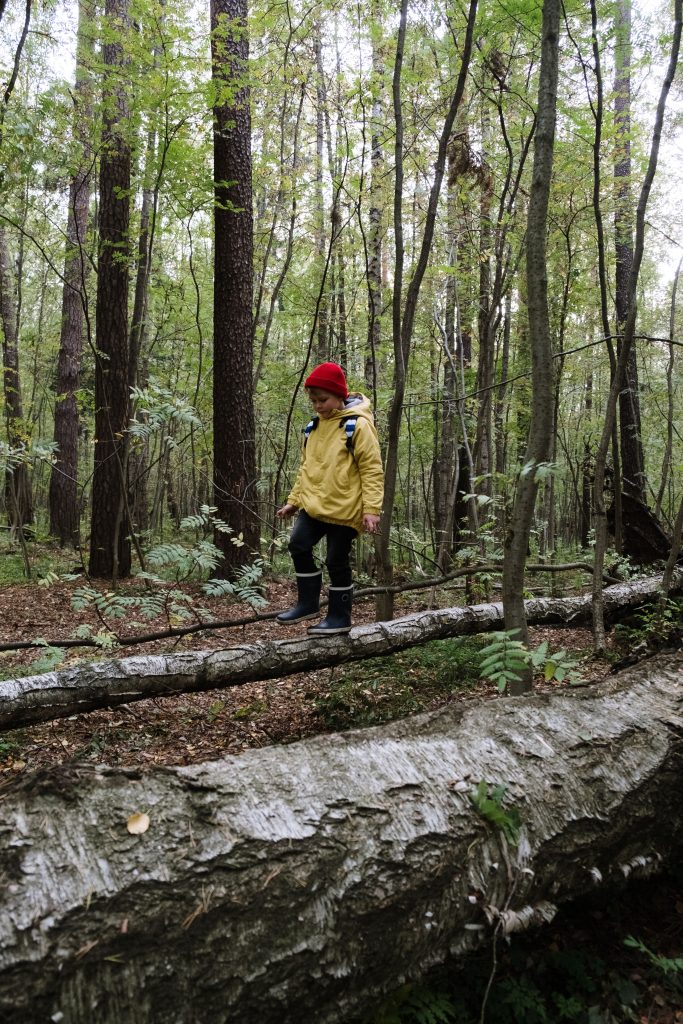
Recent research has found that being in nature also has incredible benefits for children, promoting several nervous system outcomes in young people. Children exposed to nature were found to be in a relaxed and alert state, with improvements to their attention processing and cognitive tasks (Quintela Do Carmo et al. 2025)
Why Littered Environments Stress Us Out
No one likes to see litter! It’s unpleasant to look at and we know it harms wildlife. And there is science behind why we can get stressed out in littered environments… Humans naturally assess their surroundings for signs of safety and wellbeing. Litter, neglect and environmental damage can trigger subtle feelings of discomfort or stress. Untidy spaces can influence us to perceive an area as neglected (and contribute to more litter and even crimes such as vandalism, thanks to the Broken Windows theory).
Beautiful Spaces Create Happier Communities
Well-maintained environments foster pride, belonging and social connection. Clean, cared-for spaces encourage people to spend time outdoors (and we know that comes with all the health benefits we have mentioned!).
Attractive public spaces support social interaction and community wellbeing. Environmental stewardship benefits both individual health and collective happiness.
Simple Ways to Create Happy Places
- Pick up litter during walks. Make it a habit to bring something to put litter in.
- Join (or organise) local clean-up events.
- Care for local parks, gardens and waterways. Ask your local Council if there is a volunteer group already formed to care for a particular special space near your home.
- Encourage others to respect shared spaces. Sometimes it just takes one person to begin caring for an area before others join in!
Advancements in urbanisation and technology have many benefits. But it is important for us to remember how these changes may negatively impact us. Beautiful spaces do more than look good—they help us feel good. From lowering stress hormones to restoring mental focus, clean and natural environments play a powerful role in our wellbeing.

This Keep Australia Beautiful Week, take a moment to care for a place you love. Every piece of litter removed and every natural space protected helps create happier, healthier communities for everyone.
WRITTEN BY: Madeleine Coyle (KAB Copywriter – Volunteer)
References
Gao, J., Mancus, G. C., Yuen, H. K., Watson, J. H., Lake, M. L., & Jenkins, G. R. (2023). Changes in cortisol and dehydroepiandrosterone levels immediately after urban park visits. International Journal of Environmental Health Research, 33(2), 206–218. https://doi.org/10.1080/09603123.2021.2013454
Gao, D., Shen, J., Gao, Y., & Zhang, Z. (2024). The Beneficial Elements in Forest Environment Based on Human Health and Well-Being Perspective. Forests (19994907), 15(9), 1604. https://doi.org/10.3390/f15091604
Geary R.S., Thompson D.A., Garrett J.K., Mizen A., Rowney F.M. & Song J. (2023). Green–blue space exposure changes and impact on individual-level well-being and mental health: a population wide dynamic longitudinal panel study with linked survey data. Public Health Research,11(10). https://doi.org/10.3310/LQPT9410
Kaplan, S. (1995). The restorative benefits of nature: Toward an integrative framework. Journal of Environmental Psychology, 15(3), 169–182. https://doi.org/10.1016/0272-4944(95)90001-2
Lew, T. & Fleming, K.J. (2024). Phytoncides and immunity from forest to facility: A systematic review and meta-analysis, Pharmacological Research – Natural Products, 4. https://doi.org/10.1016/j.prenap.2024.100061
Quintela Do Carmo, G., Ayotte-Beaudet, J.-P., & Jordan, C. (2025). A systematic review of the impacts of nature exposure on the nervous system in children and youth: Implications for nature-based learning. Journal of Environmental Psychology, 107. https://doi.org/10.1016/j.jenvp.2025.102788
Scott, E. E., McDonnell, A. S., LoTemplio, S. B., Uchino, B. N., & Strayer, D. L. (2021). Toward a unified model of stress recovery and cognitive restoration in nature. Parks Stewardship Forum, 37(1), 46–60.
Ulrich, R.S., R.F. Simons, B.D., Losito, E., Fiorito, M.A., Miles, & M. Zelson. (1991). Stress recovery during exposure to natural and urban environments. Journal of Environmental Psychology, 11(3): 201–230.
Related Posts