

St Joseph’s Crib Point (Grades 5-6)
At St Joseph’s Primary School in Crib Point, caring for the environment means getting your hands dirty.
Students don’t just learn about mangroves – they collect their seeds, propagate them at school, nurture the seedlings and eventually return them to the foreshore. They don’t just study coastal ecosystems – they head to nearby Woolley’s Beach to observe marine life, collect environmental data, clean up the beach and investigate the biodiversity of Western Port Bay. And they don’t just talk about sustainability – they compost, recycle, grow food, care for chickens, restore habitat and teach other young people what they have learned.
Now, that connection between students and their environment is being captured in a permanent artwork, with St Joseph’s Primary School named Victoria’s state winner in Keep Australia Beautiful’s Paint Australia Beautiful campaign. Its message is simple: look closely, value what is around you, and become a protector of it.
Giving new life to an old tree
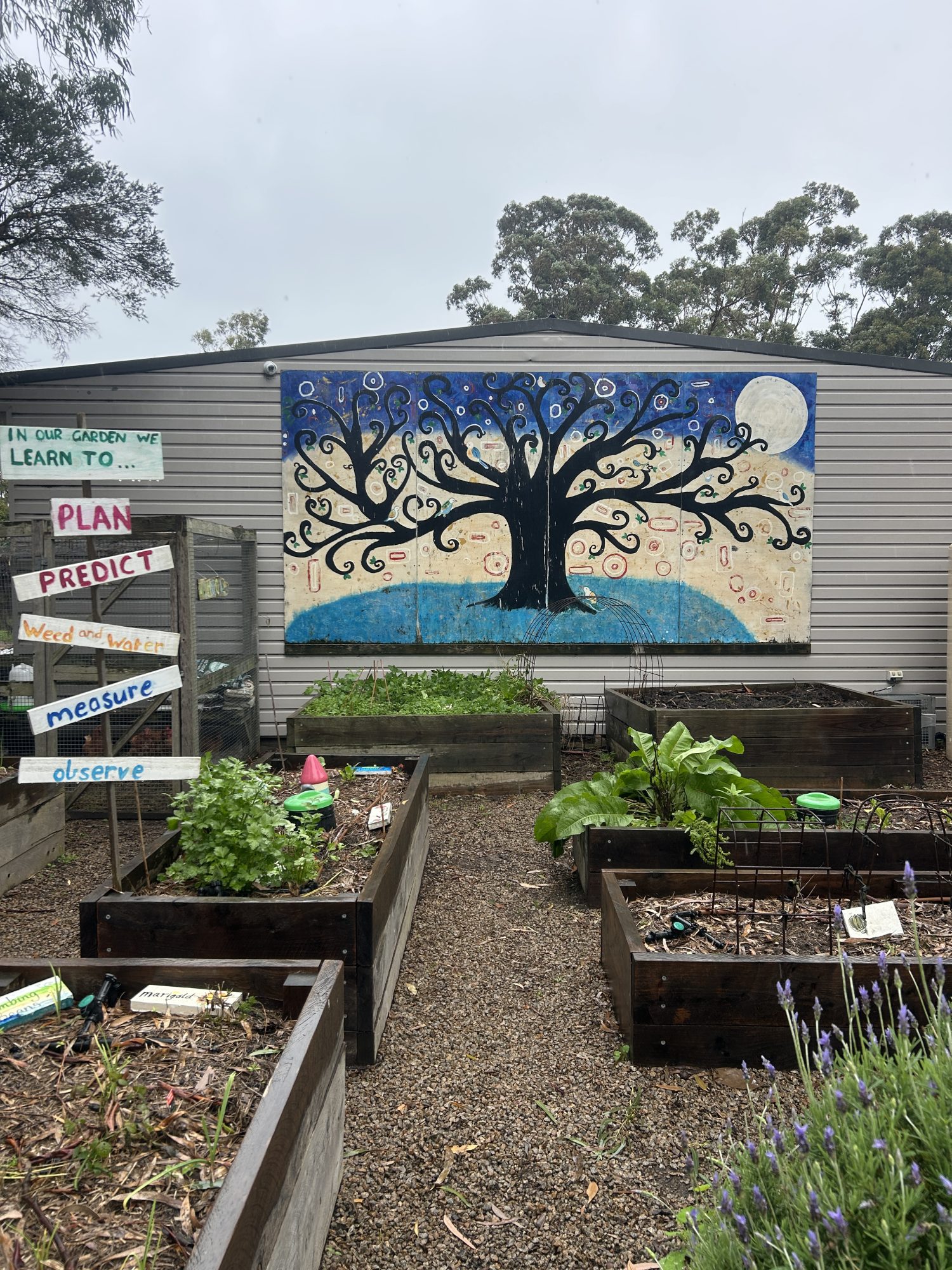
The mural began with an existing tree artwork in the school’s Kitchen Garden. Rather than replacing it, Sustainability Leader Dominique Taylor saw an opportunity to give the old tree new life. She invited a small group of Grade 5 and 6 students with a passion for drawing and art to imagine what could make the tree special.
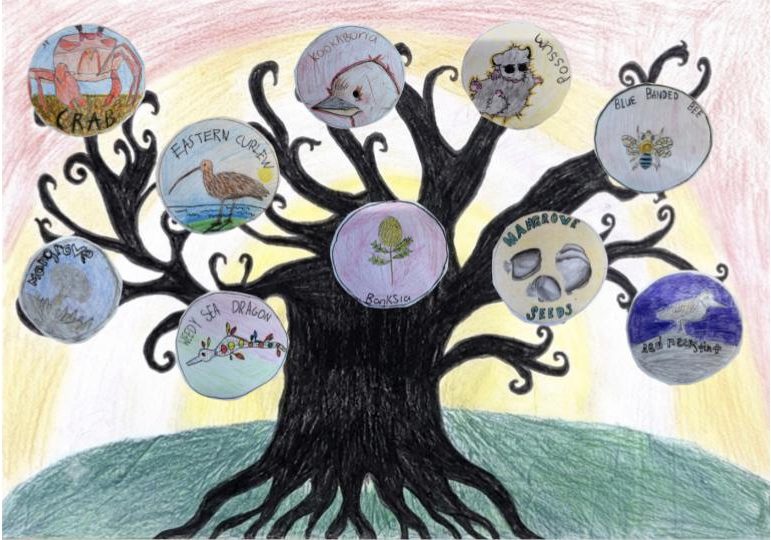
Instead of being told what to include, the students were asked to think about their own environment: what plants and animals mattered to them? What did they see around Western Port Bay? What represented the sustainability work they were already doing? Eight students developed the main individual designs, drawing inspiration from the flora and fauna they knew and experienced. Those ideas became the foundation of the school’s Paint Australia Beautiful entry.
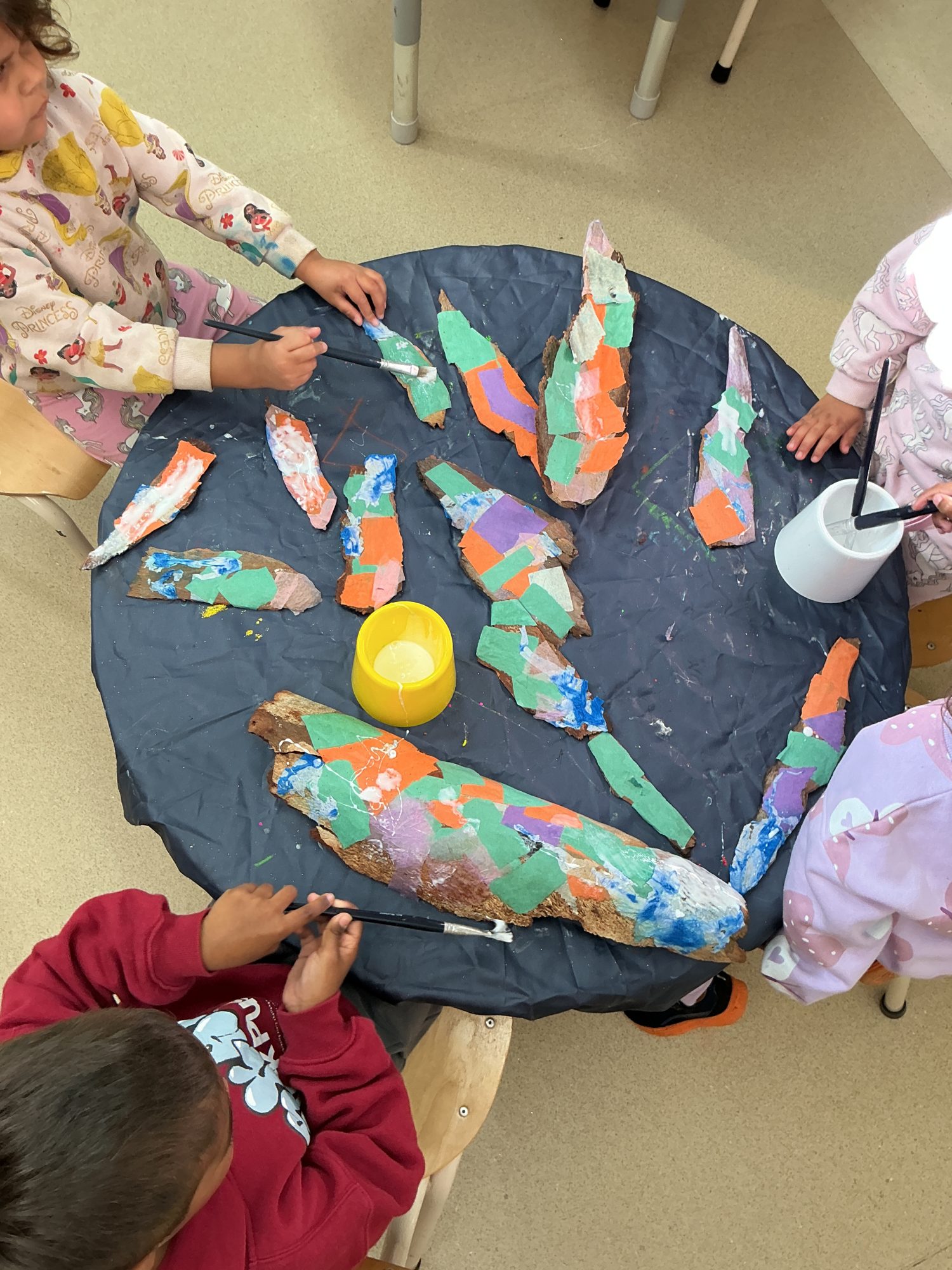
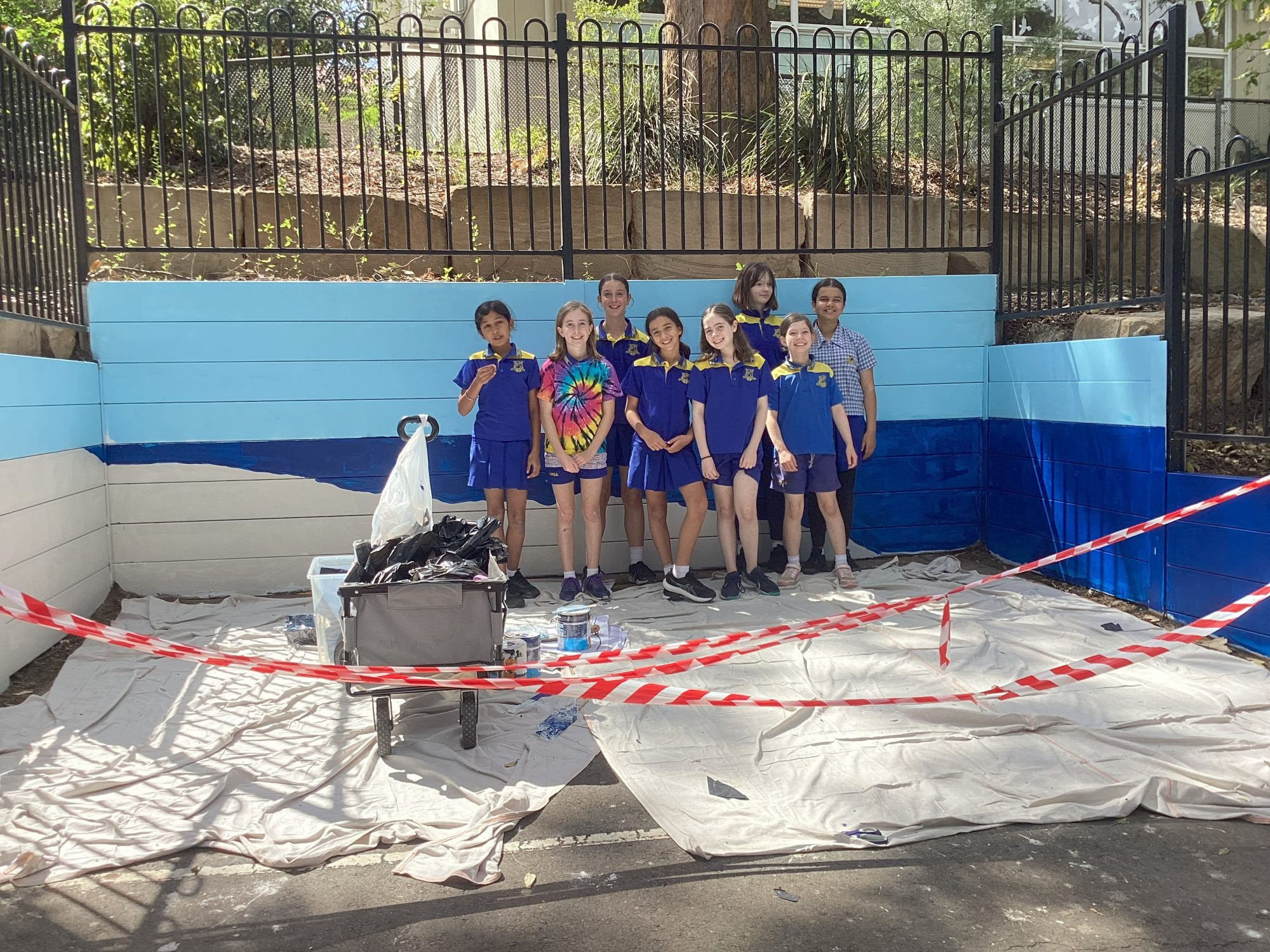
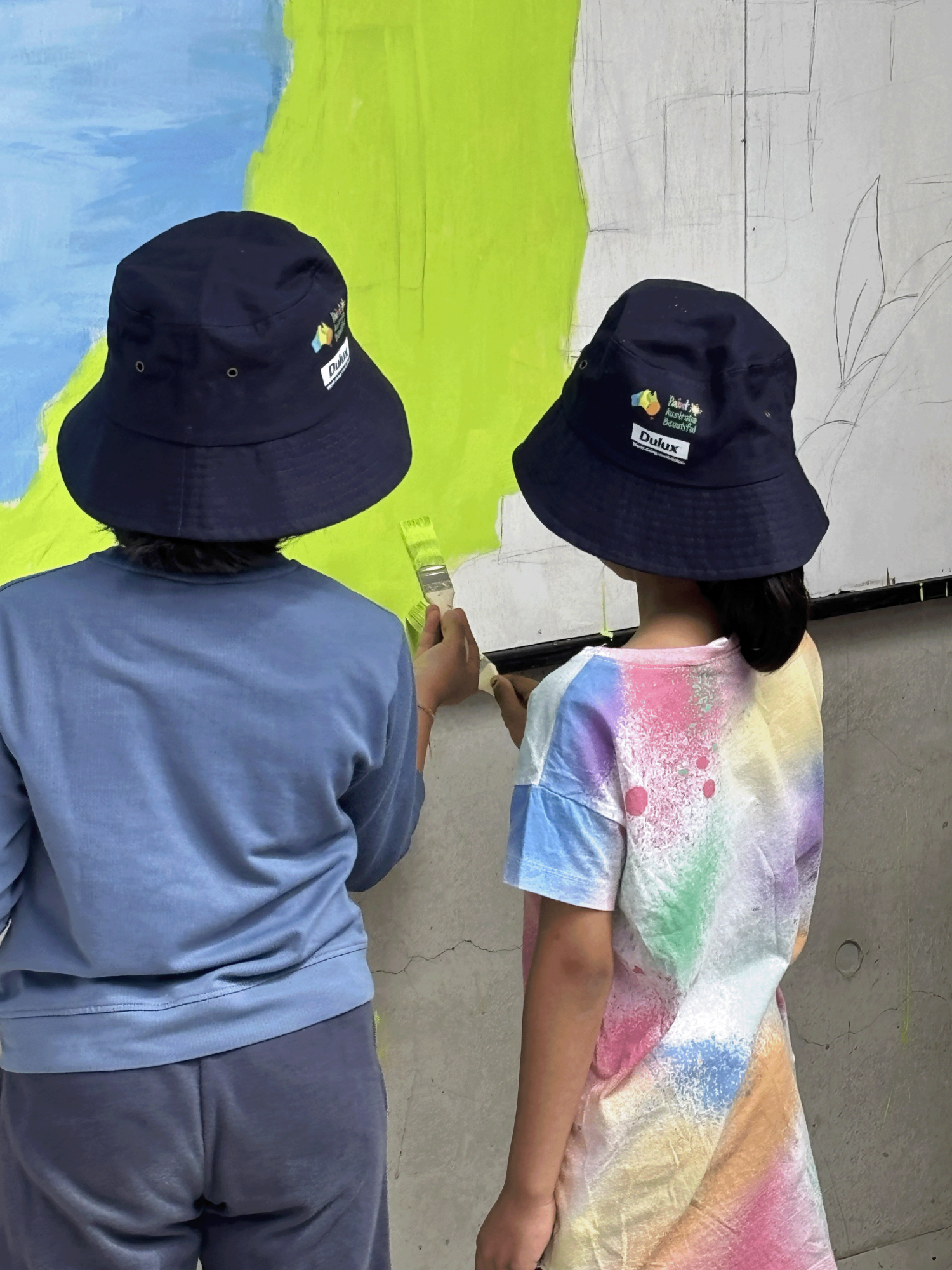
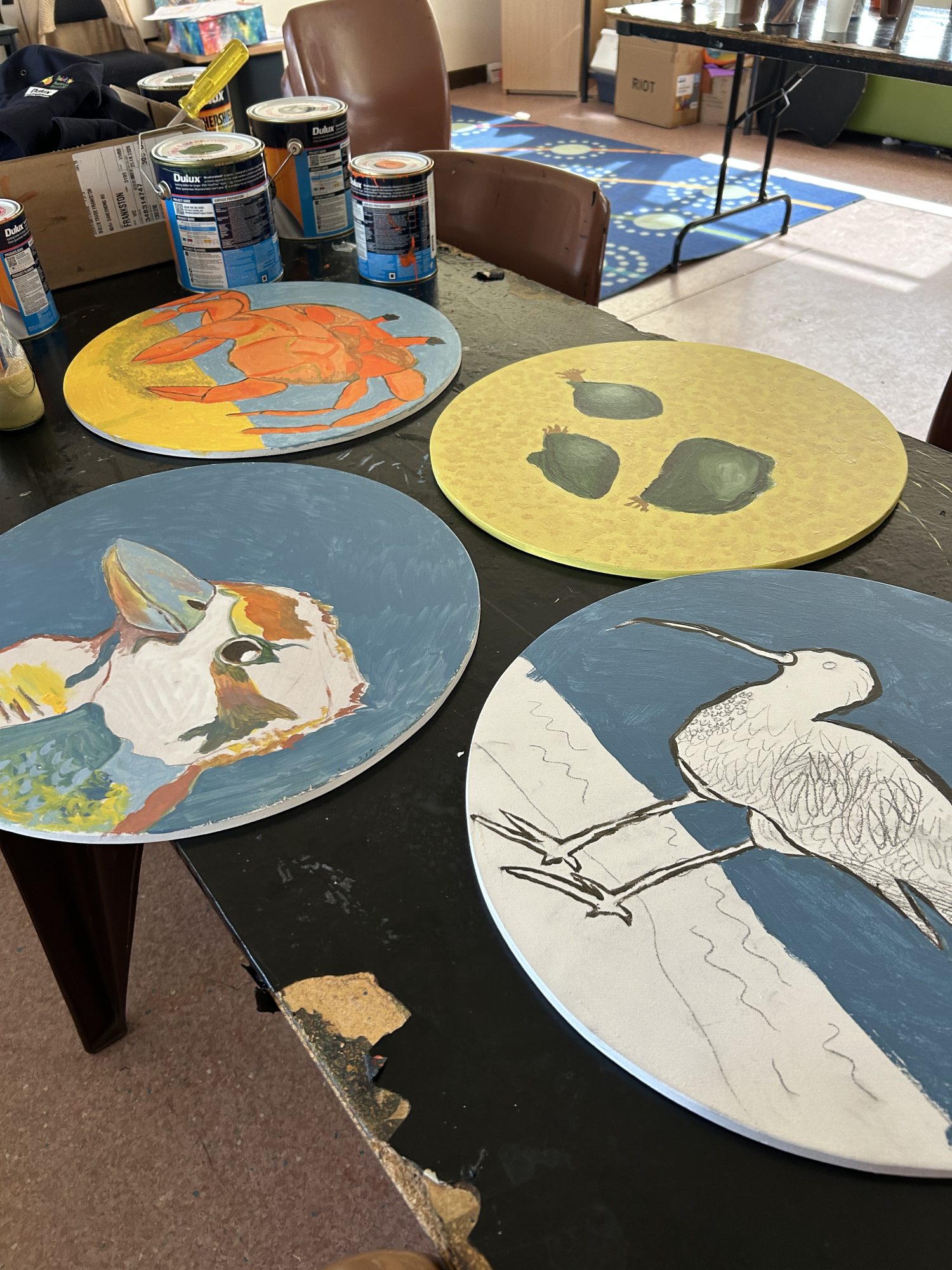
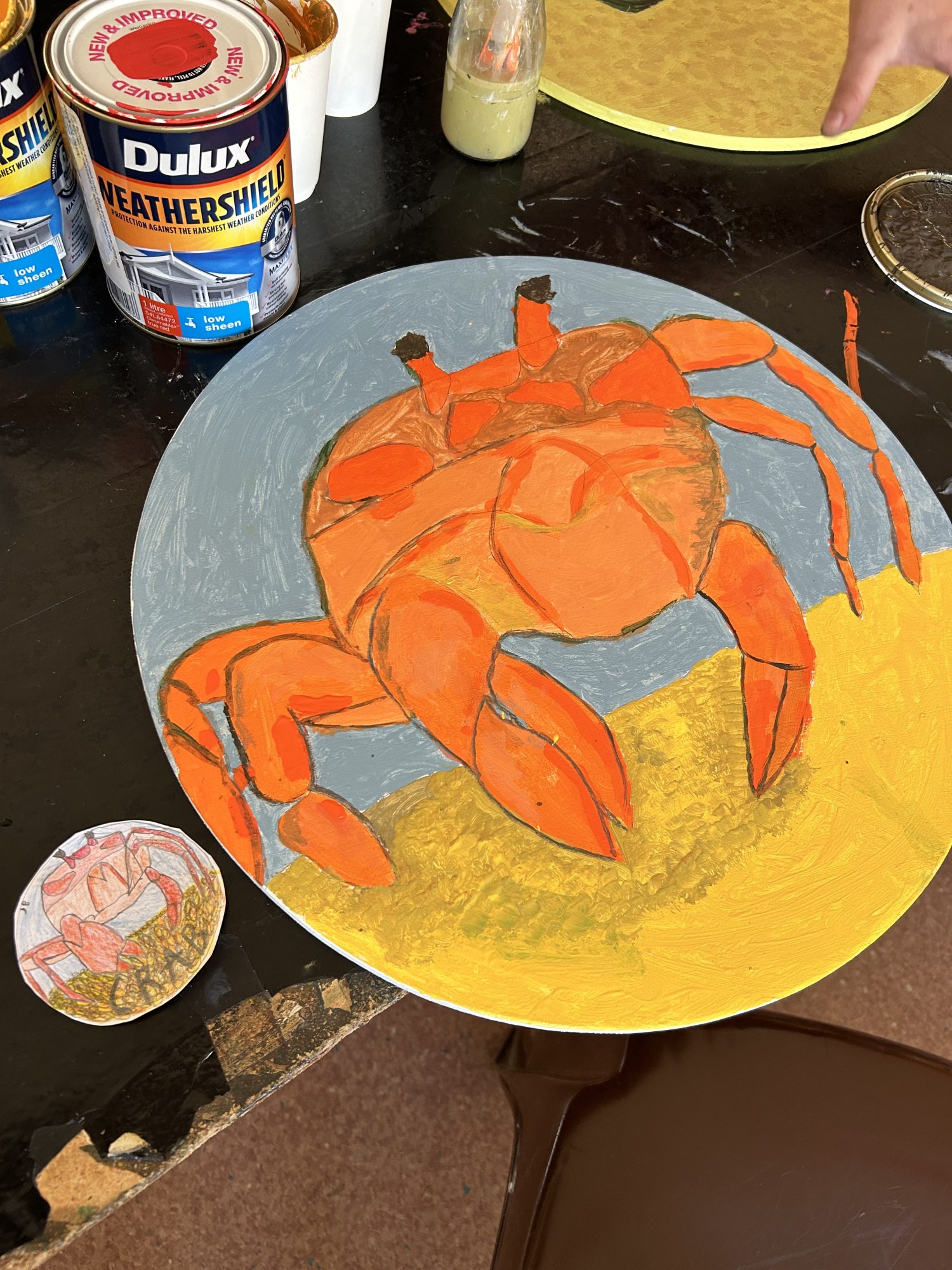
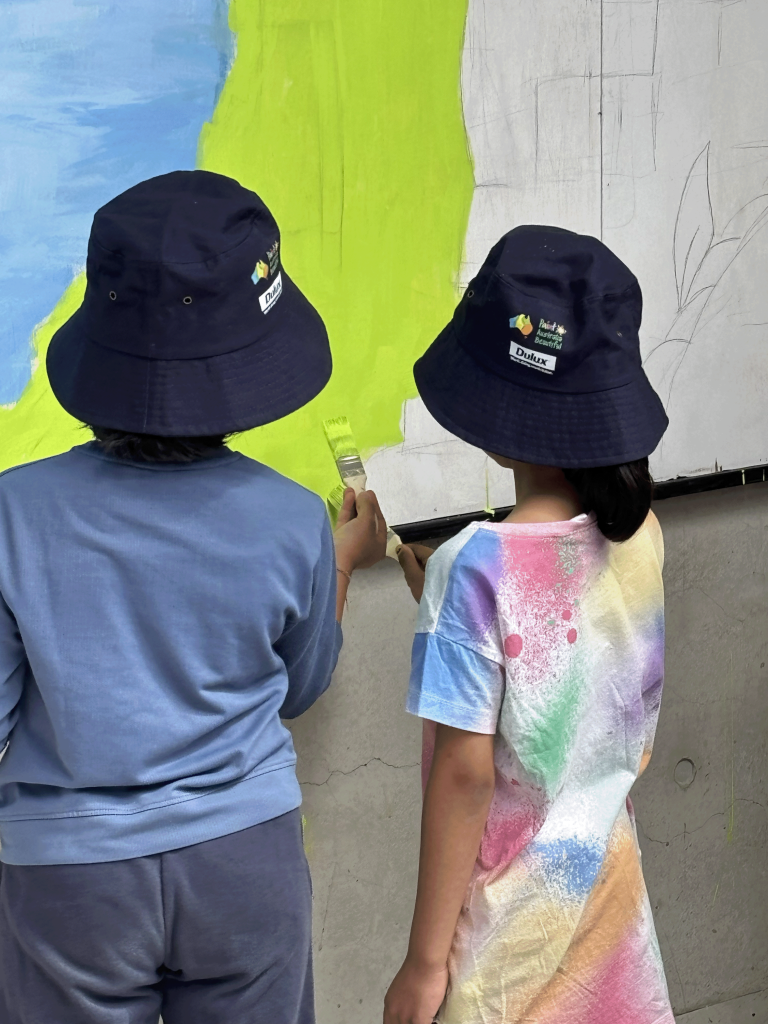
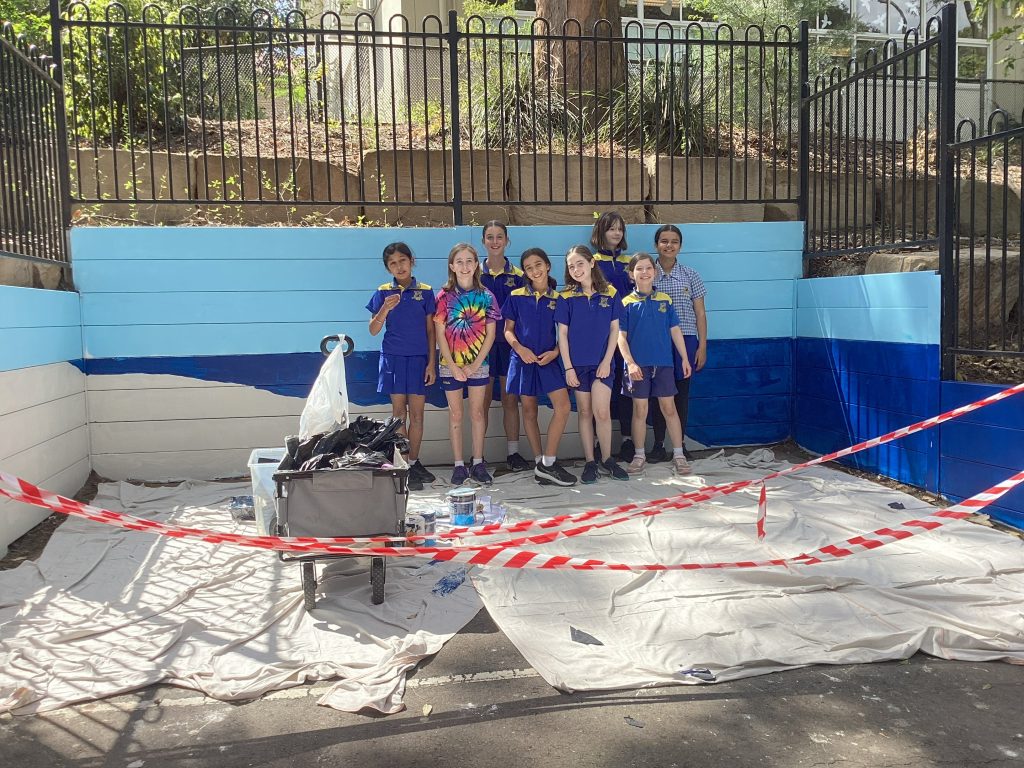
Now, 31 students – 26 from Grade 6 and five from Grade 5 – are helping bring the winning design to life. The eight original designers are working on individual animals and plants, while the other Grade 6 students collaborate on the tree itself.
Art teacher Lisa Renfrey has joined the project to help students with paint selection and work alongside them individually and in small groups. The project has even drawn in families, with one father volunteering to collect timber, cut the circles used within the artwork and eventually help hang the finished mural in the garden.
A portrait of Western Port Bay
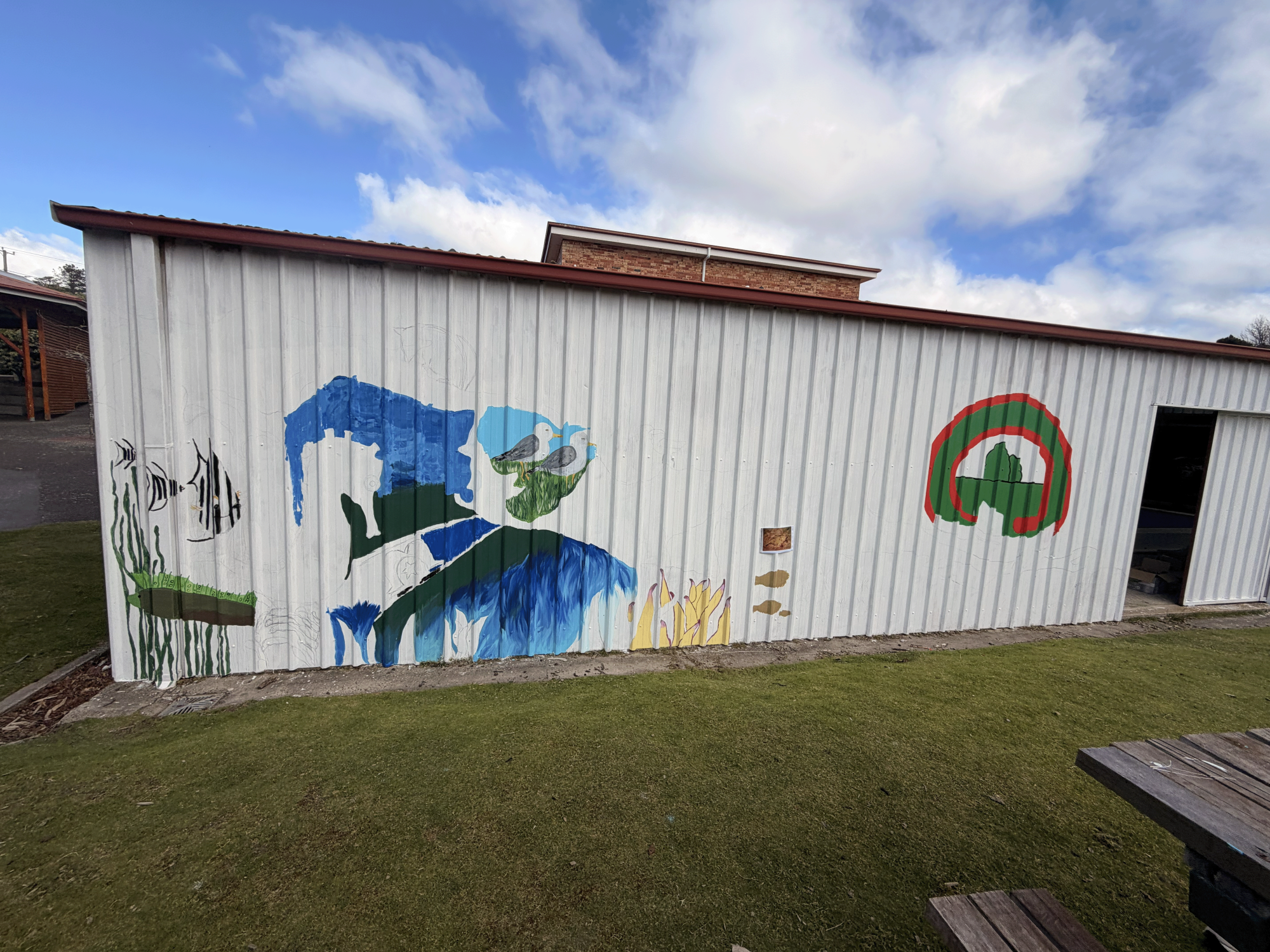
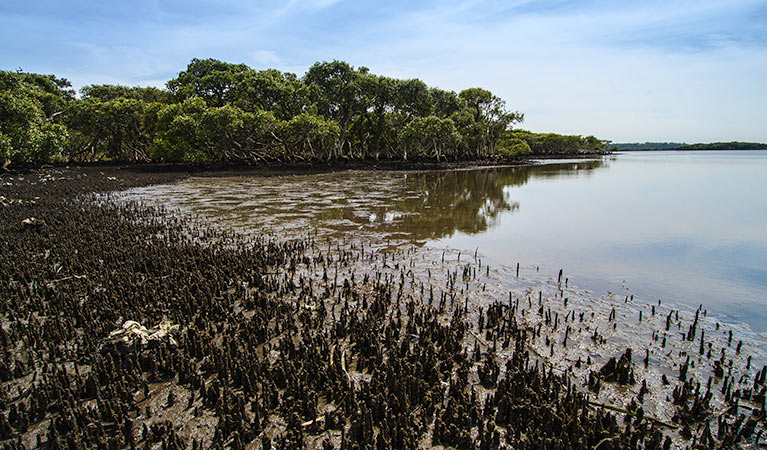
Every creature and plant in the mural has a connection to the world around St Joseph’s. A mangrove tree and seed represent one of the school’s most significant environmental projects – its ongoing work restoring mangroves around Woolley’s Beach and Hastings. The seed captures the entire journey students participate in, from collecting and propagating seeds at school to caring for seedlings and eventually returning them to their natural habitat. A possum represents the wildlife that lives alongside the school, while a kookaburra celebrates familiar local birdlife.
The Eastern Curlew and Red-necked Stint represent the remarkable migratory shorebirds that visit Western Port Bay. Their presence reminds students that protecting a local wetland can have significance far beyond their own community, providing habitat for birds travelling thousands of kilometres. A crab represents the marine and intertidal life students regularly discover at Woolley’s Beach, while a Banksia highlights the relationship between native plants, insects, birds and other wildlife. A Blue-banded Bee connects with the school’s work to create butterfly and pollinator-friendly habitat. And beneath the water is the Weedy Sea Dragon – a reminder of the extraordinary marine life that can remain largely hidden from view.
Together, the species tell the story of an interconnected ecosystem, from the smallest seed and pollinator to shorebirds and marine life. Protecting one part helps protect the whole.
When the bay becomes your classroom
St Joseph’s connection with Western Port Bay extends well beyond the mural. Located close to Woolley’s Beach, the school uses its coastal environment as a living outdoor classroom. Students can observe wildlife in its natural habitat and see the results of their own conservation work. They have participated in a shell reef project designed to encourage native oysters at Woolley’s Beach and undertake regular environmental activities along the coast. Mangroves have become particularly important to the school. Through its The Sea is Our Best Friend program, St Joseph’s has partnered with OzFish Unlimited for the past three years to restore mangrove habitat around Hastings and Woolley’s Beach. Working alongside OzFish and the local Ranger, students have participated throughout the restoration process. More than 1,000 mangroves have now been planted using various methods. That gives students something particularly powerful: the opportunity to return to the coast and see mangroves they helped propagate growing in their natural environment. Their local landscape is also internationally significant. Western Port is a Ramsar-listed wetland and provides habitat for an extraordinary variety of birdlife, including migratory species. For students, it means environmental conservation isn’t an abstract idea. It is happening in the places they know.
Students leading the way
Student leadership sits at the centre of sustainability at St Joseph’s. The Grade 4 Mangrove Warriors lead mangrove planting and surveys, raise awareness about challenges facing the bay, speak at assemblies and visit classrooms to share what they have learned. They also lead Clean Up Australia Day activities and are creating a mosaic couch celebrating the biodiversity of Western Port Bay. The Grade 4 Mangrove Warriors lead mangrove planting and surveys, raise awareness about challenges facing the bay, speak at assemblies and visit classrooms to share what they have learned.
The school’s Grade 6 Earthcare team oversees recycling and leads Green Teams operating in every classroom from Prep to Grade 6. Those teams help manage paper, hard plastics, compost, 10-cent deposit containers and even used pens, pencils and textas. The school also recycles batteries, ink cartridges, old sports balls and uniforms. Some of those old uniforms are finding a particularly creative second life. Students are turning fabric that can no longer be sold through the second-hand uniform shop into bags for incoming Prep students to store their headphones.
Elsewhere, food scraps become compost, produce and eggs from the Kitchen Garden support the student-led café, and younger children help care for a worm farm through the school’s nature playgroup. Environmental leadership even extends beyond the school gates. Grade 4 Kinder Mentors work with local kindergarten children at Woolley’s Beach, helping them become young scientists as they explore what can be found along the coast. For St Joseph’s, sustainability has gradually grown from a collection of individual activities into something woven throughout school culture.
A history of caring for the coast
This culture sits within a school approaching a century of its own history. St Joseph’s Primary School opened in Crib Point in 1927, established to support local rural families and Defence Force families connected with nearby HMAS Cerberus. Today, around 180 to 200 students attend the school, maintaining a small-school environment where students are known by name. Connections with Defence families remain, alongside generations of families from across the Western Port Peninsula.
Built on the ancestral lands of the Boonwurrung people of the Kulin Nation, the school describes stewardship as central to its identity. Its environmental work has previously been recognised through Victorian Tidy Towns awards for sustainability, bushland protection and marine advocacy, while The Sea is Our Best Friend has extended its marine conservation learning through connections with coastal communities in Indonesia. The school’s goal is not simply to teach students facts about sustainability, but to develop young people who are curious, responsible and confident enough to act.
Leaving their footprint
For the students involved, Paint Australia Beautiful has also been a lesson in creativity, courage and perseverance. The process has prompted conversations not only about biodiversity but about taking risks, having a go and dealing with both success and disappointment. Winning the Victorian title has shown students that their ideas and environmental actions can matter beyond the school gates.
For the Grade 6 students, there is another layer of meaning. They were deliberately given an important role in painting the mural so that, as their time at St Joseph’s draws to a close, they can leave something of themselves behind. Long after they have moved on to secondary school, their artwork will remain in the Kitchen Garden.
Future students might recognise the kookaburra or possum. They might learn why an Eastern Curlew travels such an extraordinary distance or discover the hidden world represented by the Weedy Sea Dragon. Perhaps they will ask why there is a mangrove seed painted there – and hear about the students before them who helped plant more than 1,000 mangroves along their local coastline.
St Joseph’s hopes to create a legacy, where student’s don’t simply know about sustainability, but generations of young environmental stewards who notice what is around them, understand its value and believe they can do something to protect it. Because when children learn to look closely at the place they call home, they can also learn to care for it.
Related Posts