
EVERY AUGUST FOR 50+ YEARS


OVER 50 YEARS OF ANNUAL EDUCATION CAMPAIGNS
Every August, for over 50 years, Keep Australia Beautiful have been educating Australians about litter, waste and other key environmental issues throughout KABWeek. During this week we aim to engage and challenge the community, while encouraging long term change behaviour that can be adopted well after the week is done.
We welcome all Australians – young and old – to learn something new about the environment, litter and waste behaviour during this week, and encourage corporate Australia to get behind the cause to DO THE RIGHT THING & KEEP AUSTRALIA CLEAN!
INTERESTED IN SPONSORING, DONATING, OR GETTING MORE INVOLVED IN KAB WEEK?
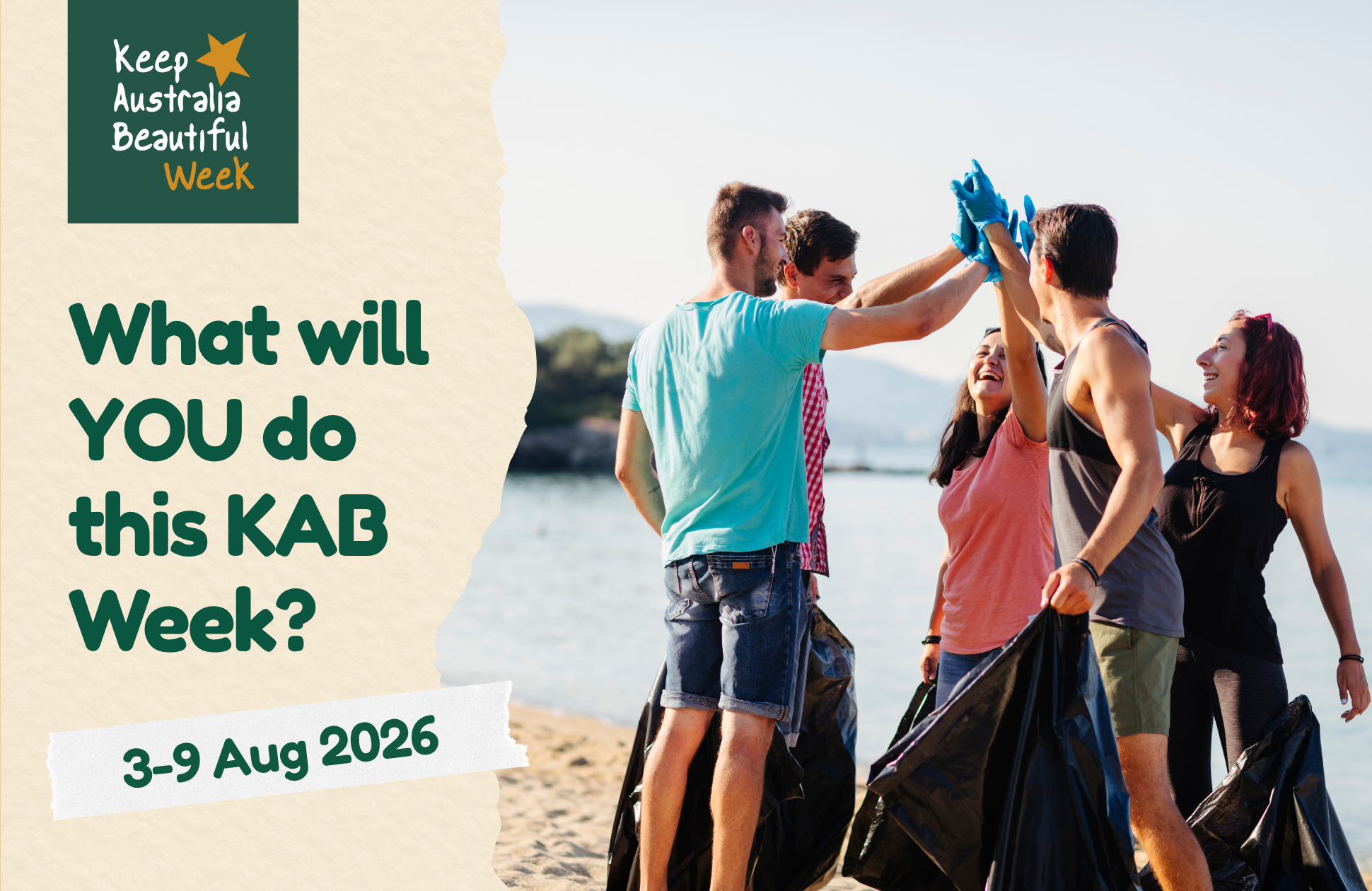
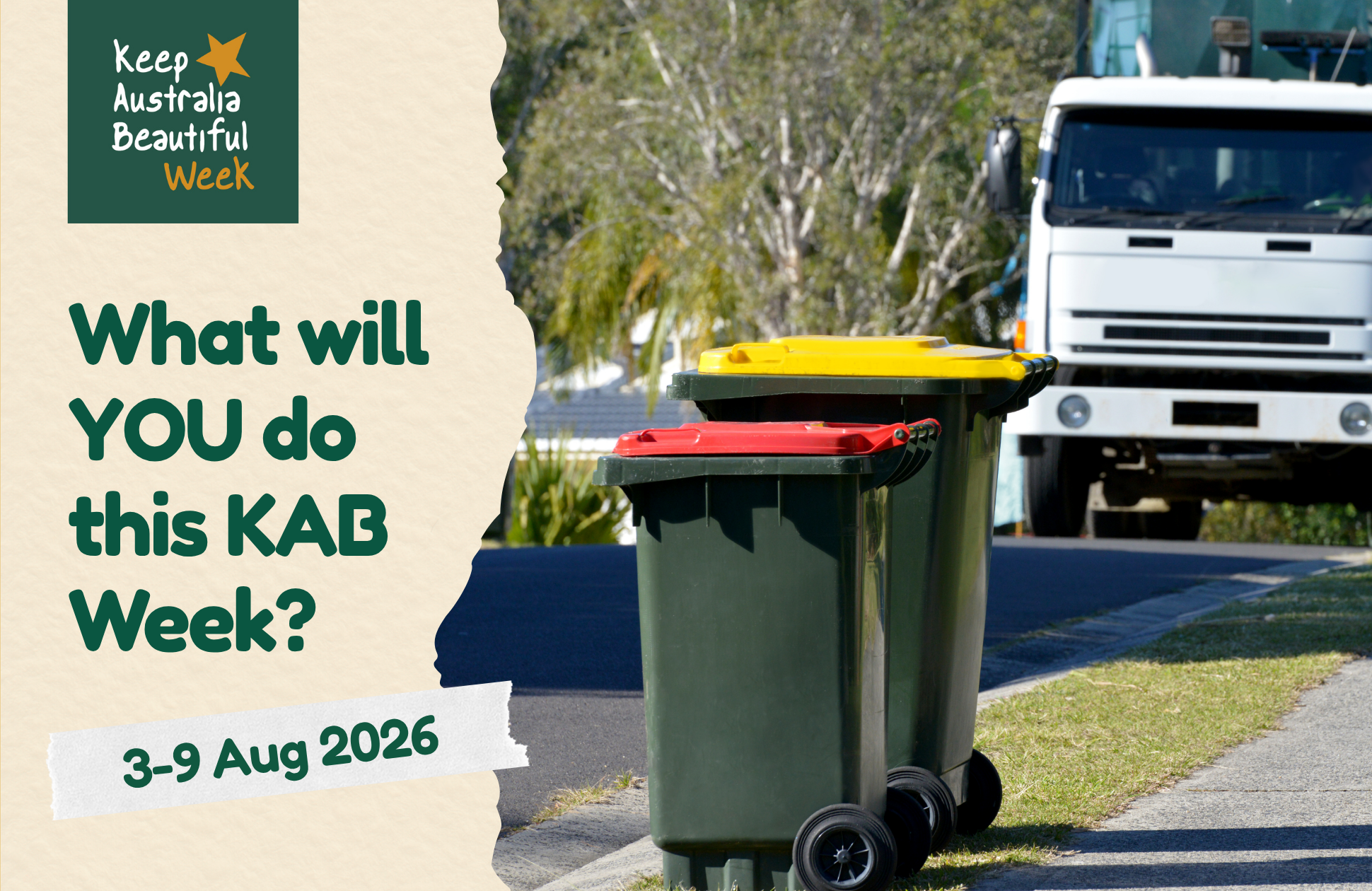
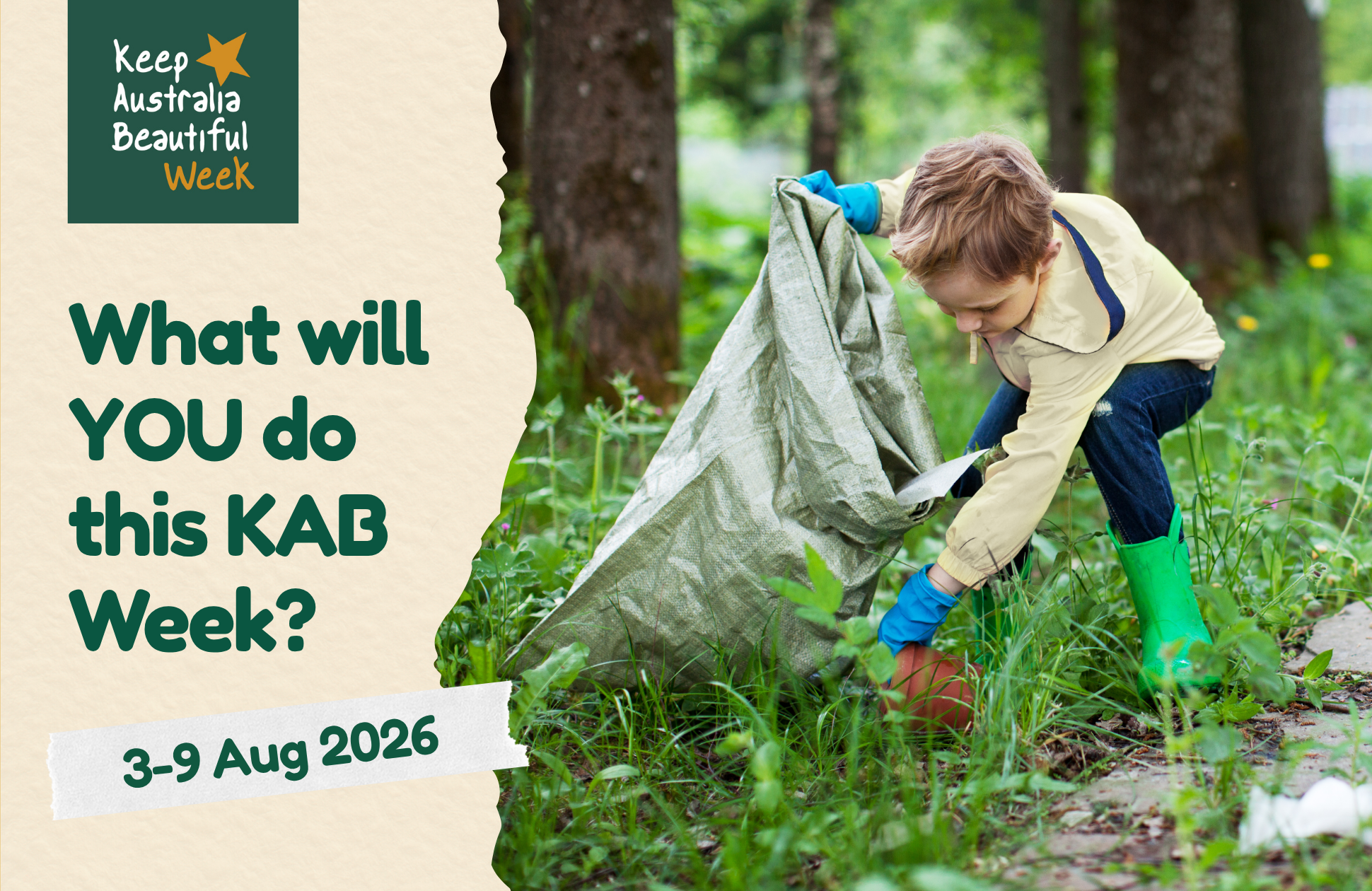
Keep Australia Beautiful Week 2026 will be : Monday 3rd Aug – Sunday 9th August 2026.
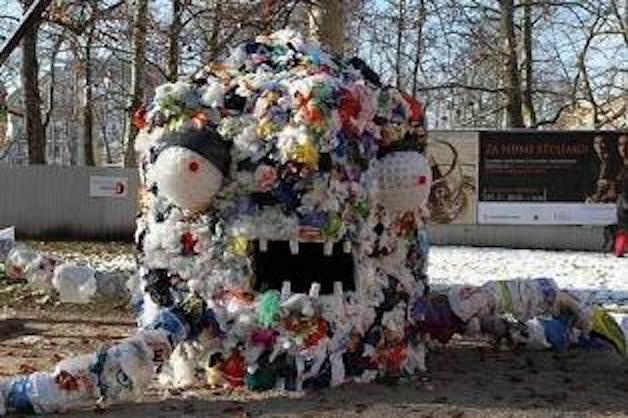
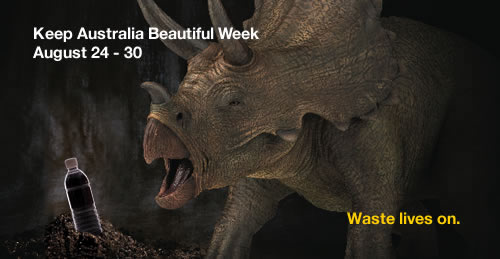
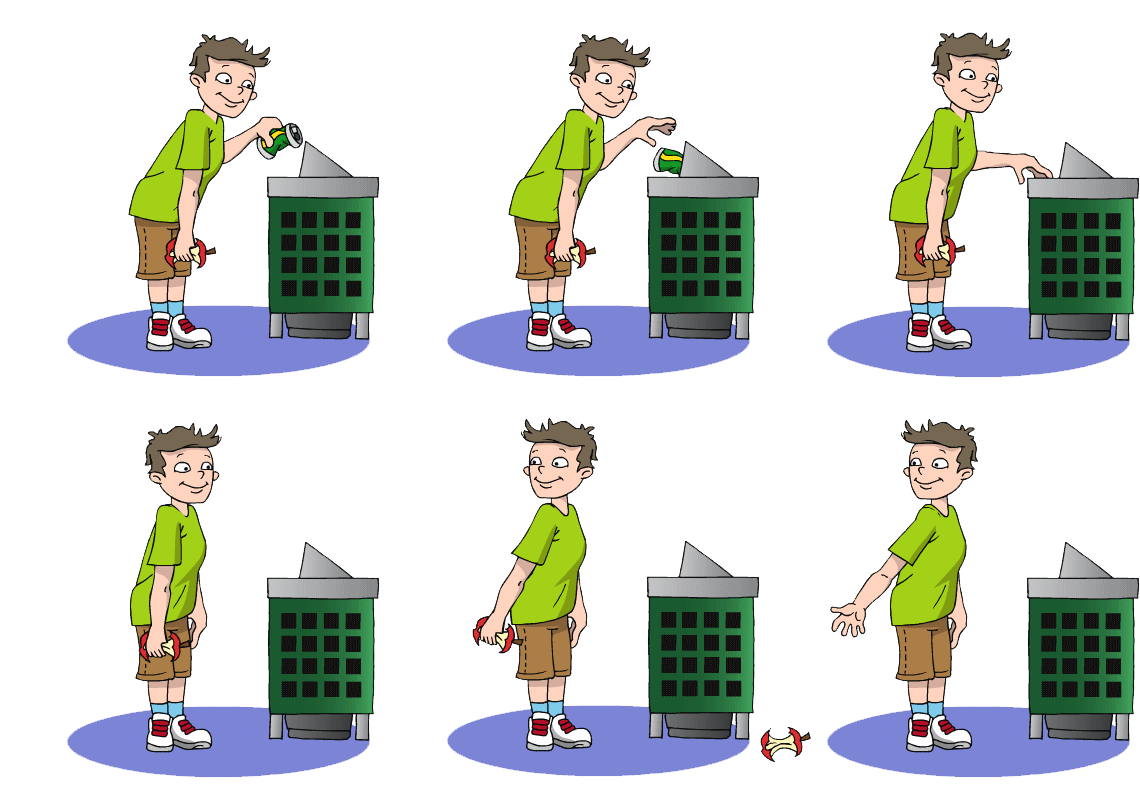
Keep Australia Beautiful has championed the Do The Right Thing message for over fifty years. Check out some of our campaigns from previous years:
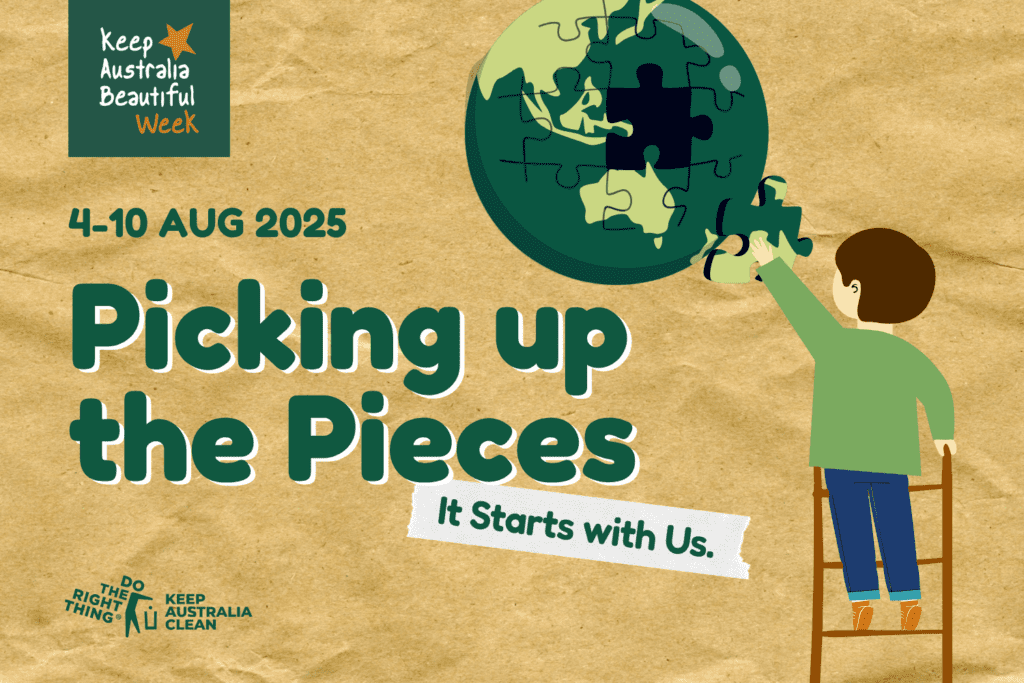
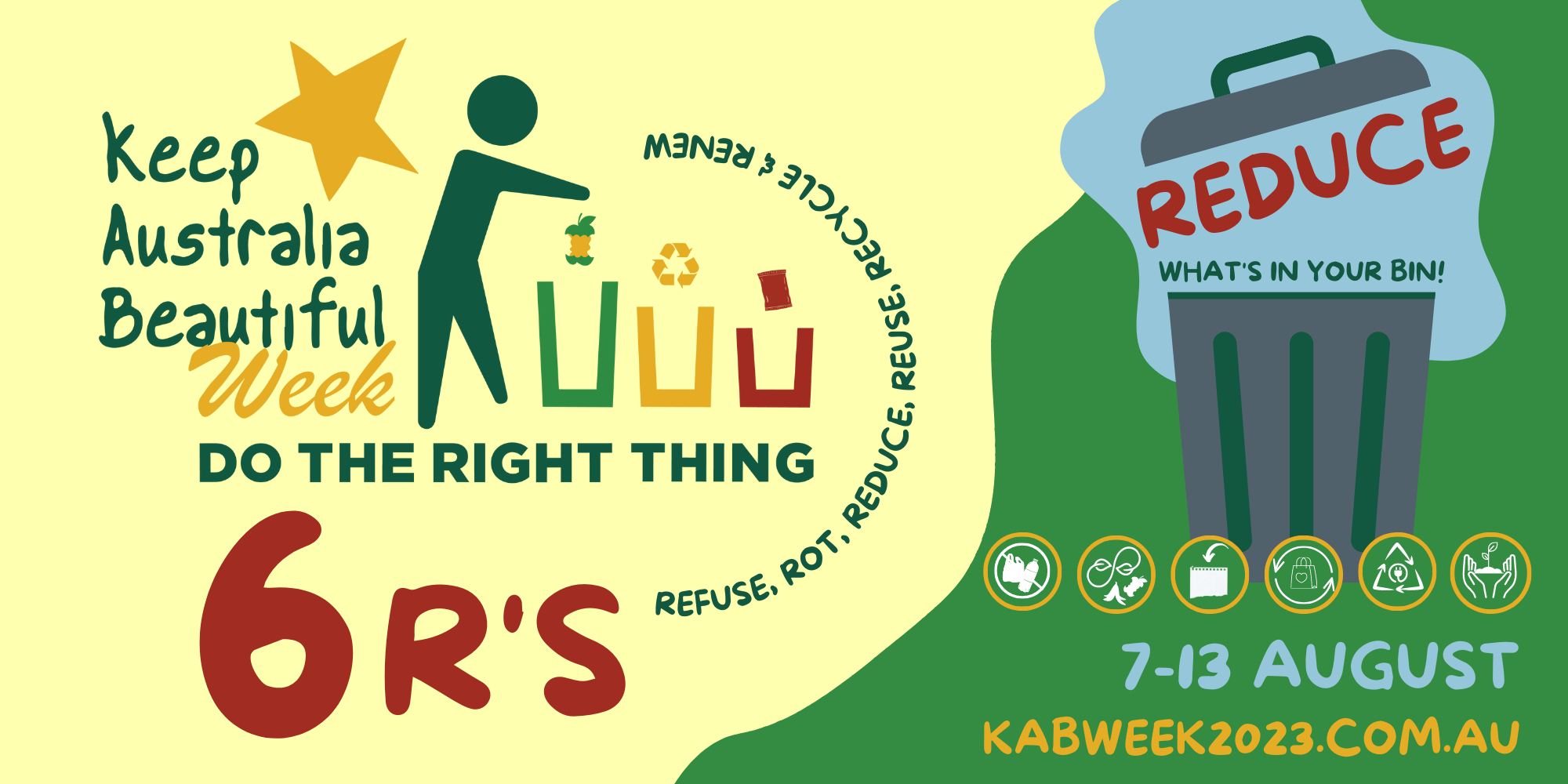
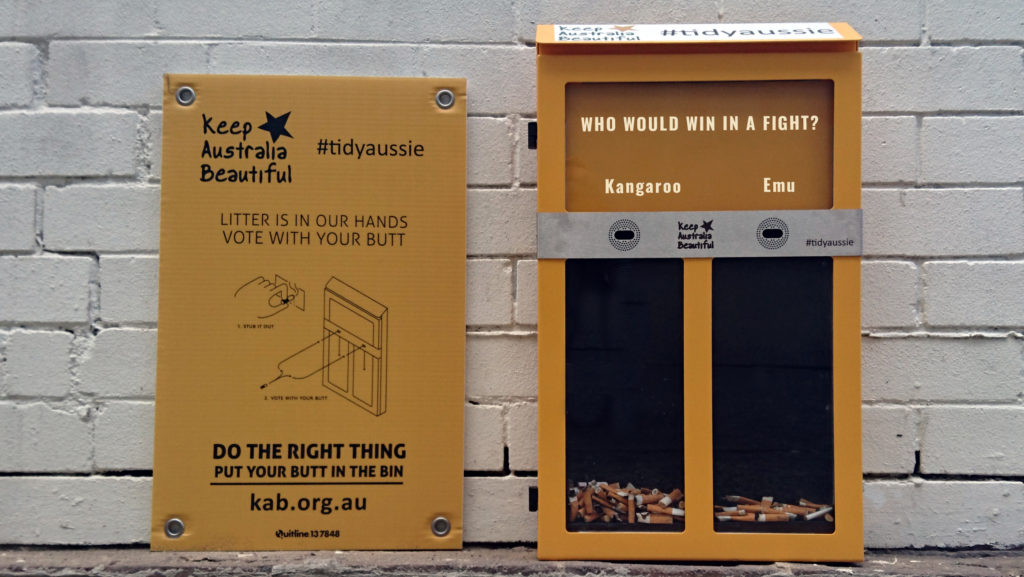
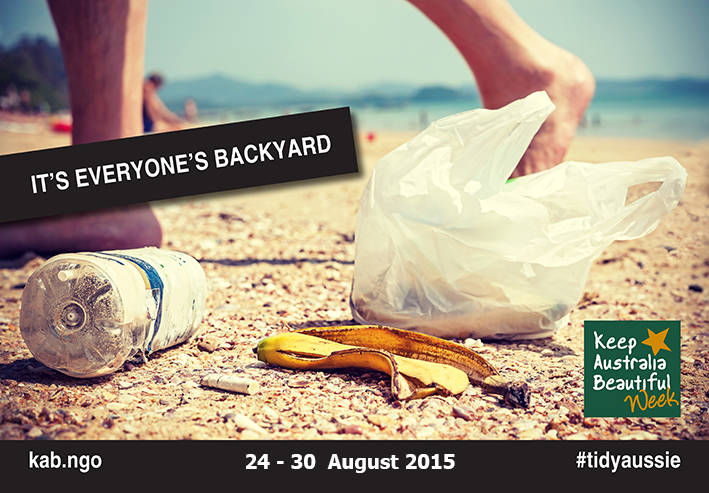


DO THE RIGHT THING & KEEP AUSTRALIA CLEAN
Every August, for over 50 years, Keep Australia Beautiful has been educating Australians about litter, waste and other key environmental issues throughout Keep Australia Beautiful Week.
In 2024, KAB Week went back to its roots, focusing on the fight toward litter prevention and biodiversity preservation. Communities, councils, schools and workplaces were challenged to initiate clean-ups or planting days across the week of 5–11 August — and Australians responded.
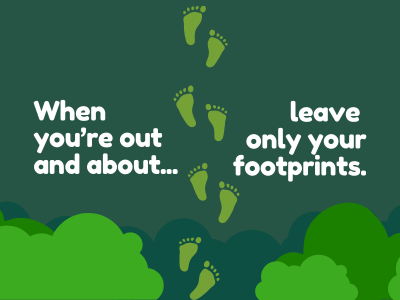
The campaign urged everyone to consciously review their “on-the-go” habits while enjoying the great outdoors, leaving nothing but footprints behind. Australians young and old were invited to learn something new about the environment and litter and waste behaviour — and corporate Australia was called on to get behind the cause and DO THE RIGHT THING & KEEP AUSTRALIA CLEAN.
DO THE RIGHT THING – LITTER GOES FULL CIRCLE
Our recent DO THE RIGHT THING campaign, A Little Taste of Plastic, highlights how litter doesn’t just harm the environment — it comes back to affect us all.
When plastic waste enters nature, it breaks down into microplastics. Marine life consumes it, and eventually, it can find its way back onto our plates. This is a clear reminder that everyone is part of this environment, and our actions have direct consequences.